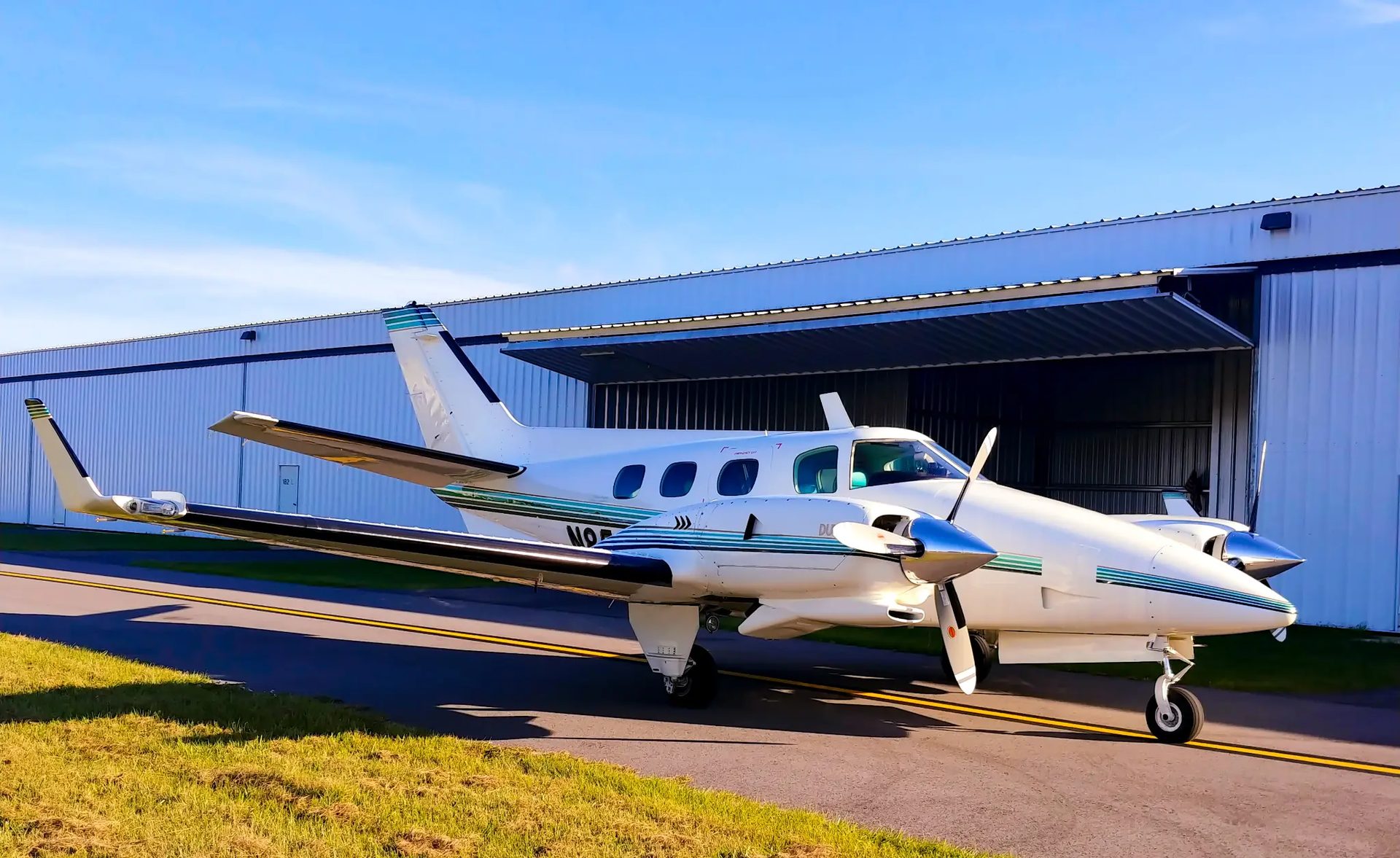
Beechcraft's 50th Anniversary Edition
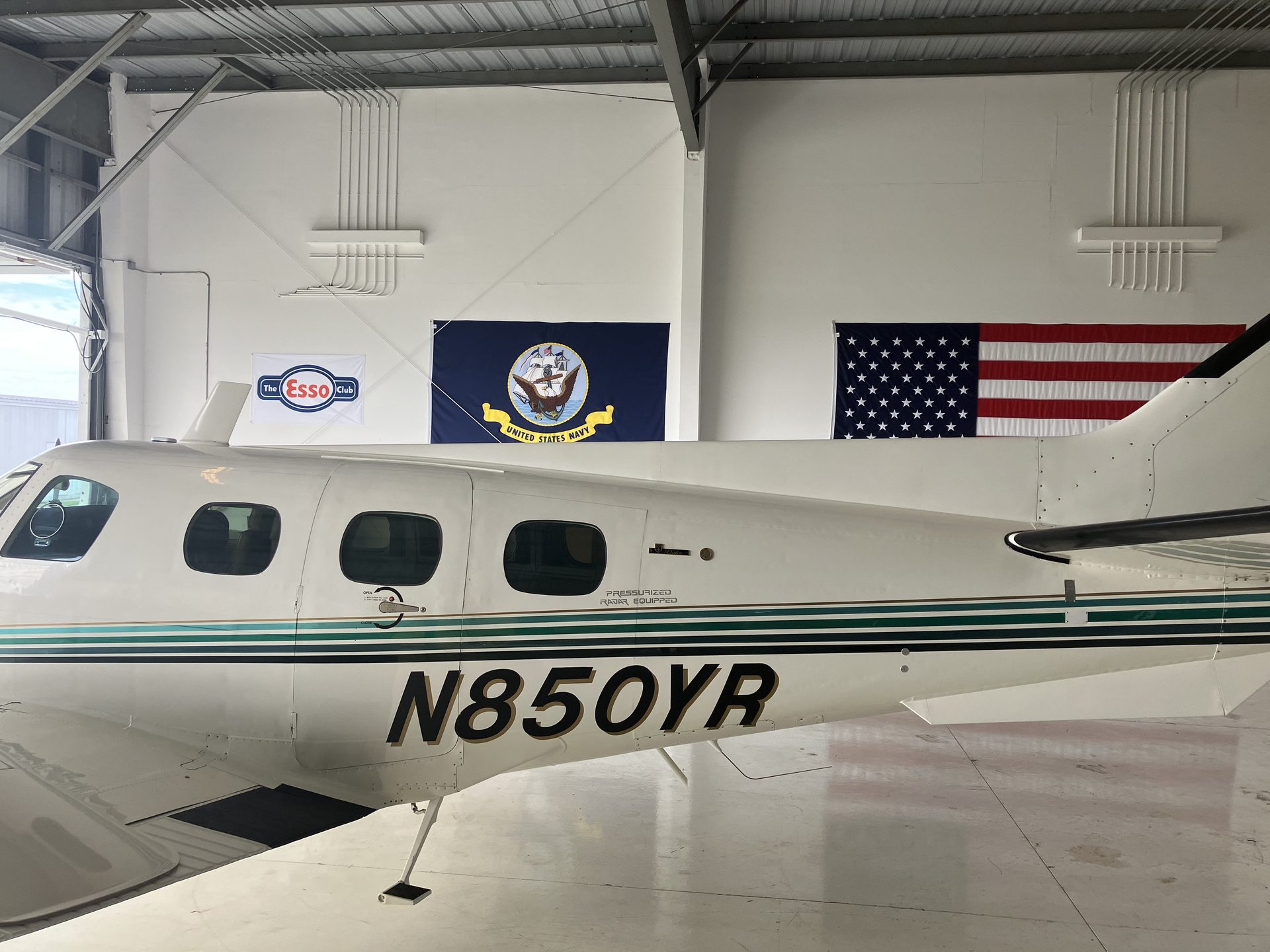
N850YR
The Duke That Crossed an Ocean
and Came Home Reborn
Discover the Story
Beechcraft's 50th Anniversary Edition
The Duke That Crossed an Ocean
and Came Home Reborn
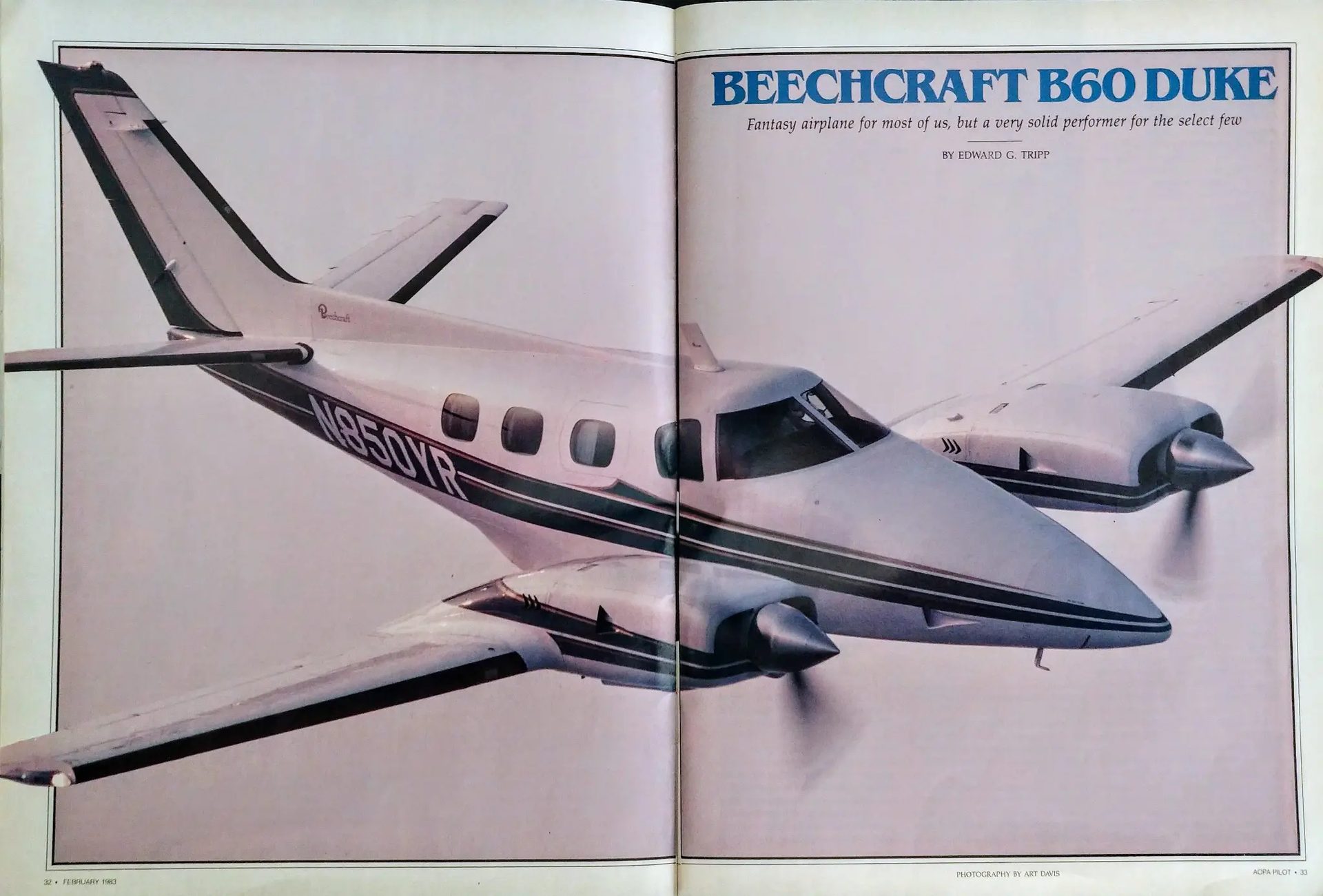
"Fantasy airplane for most of us, but a very solid performer for the select few." — AOPA Pilot, February 1983
Wichita, Kansas — 1932 to 1968
In April 1932, Walter and Olive Ann Beech founded the Beech Aircraft Company in Wichita, Kansas. From that modest beginning grew one of the most revered names in aviation history.
By the mid-1960s, Beechcraft had established itself as the builder of choice for pilots who demanded excellence. The Bonanza defined single-engine perfection. The Baron owned the light twin market. The King Air was revolutionizing business aviation with turboprop power.
But there was a gap — a space between the Baron and the King Air where no aircraft existed. Beechcraft's engineers envisioned something unprecedented: a piston-powered twin with the pressurized cabin of a jet, the speed of a turboprop, and the style of a thoroughbred.
They called it the Duke.
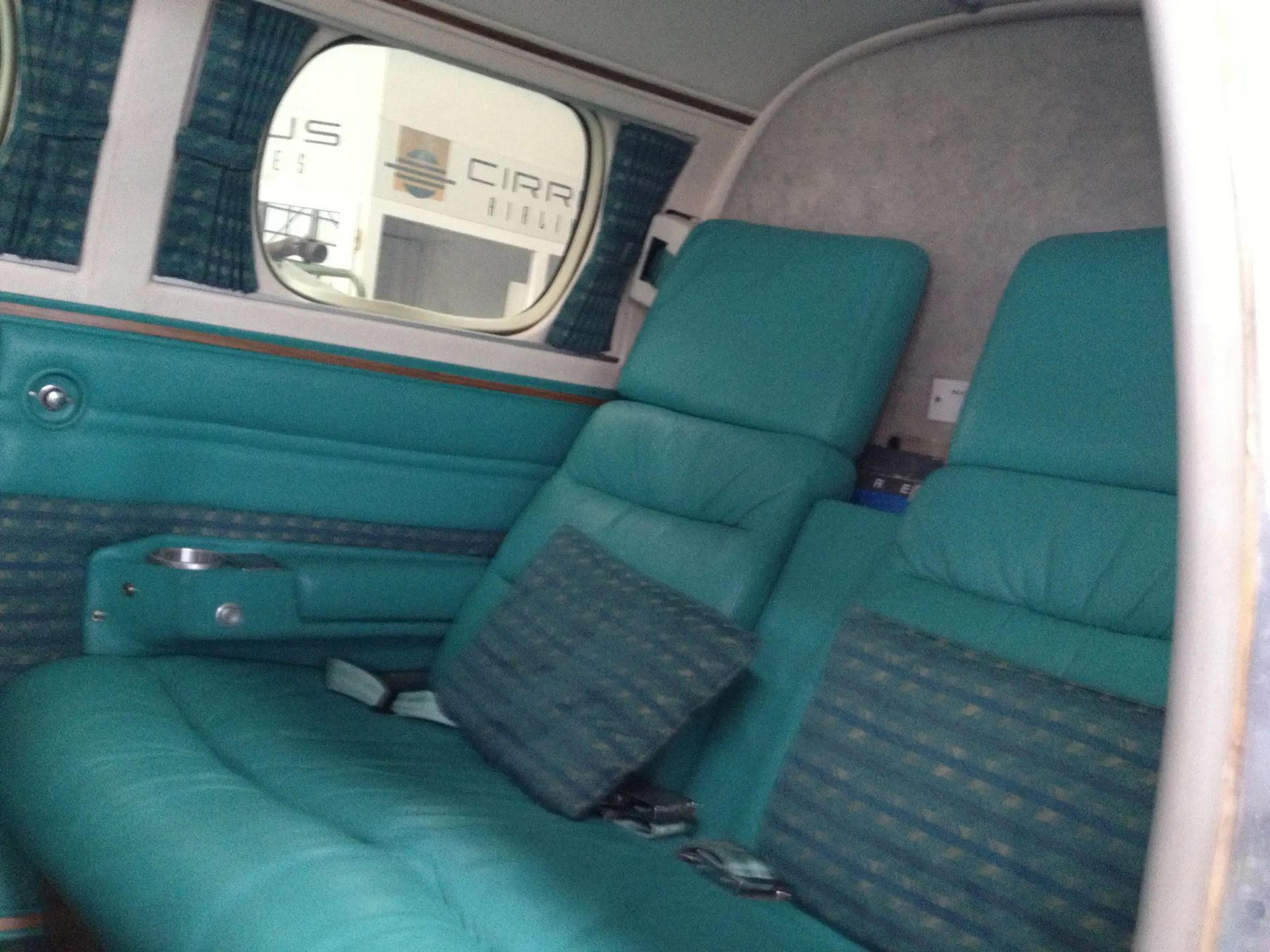
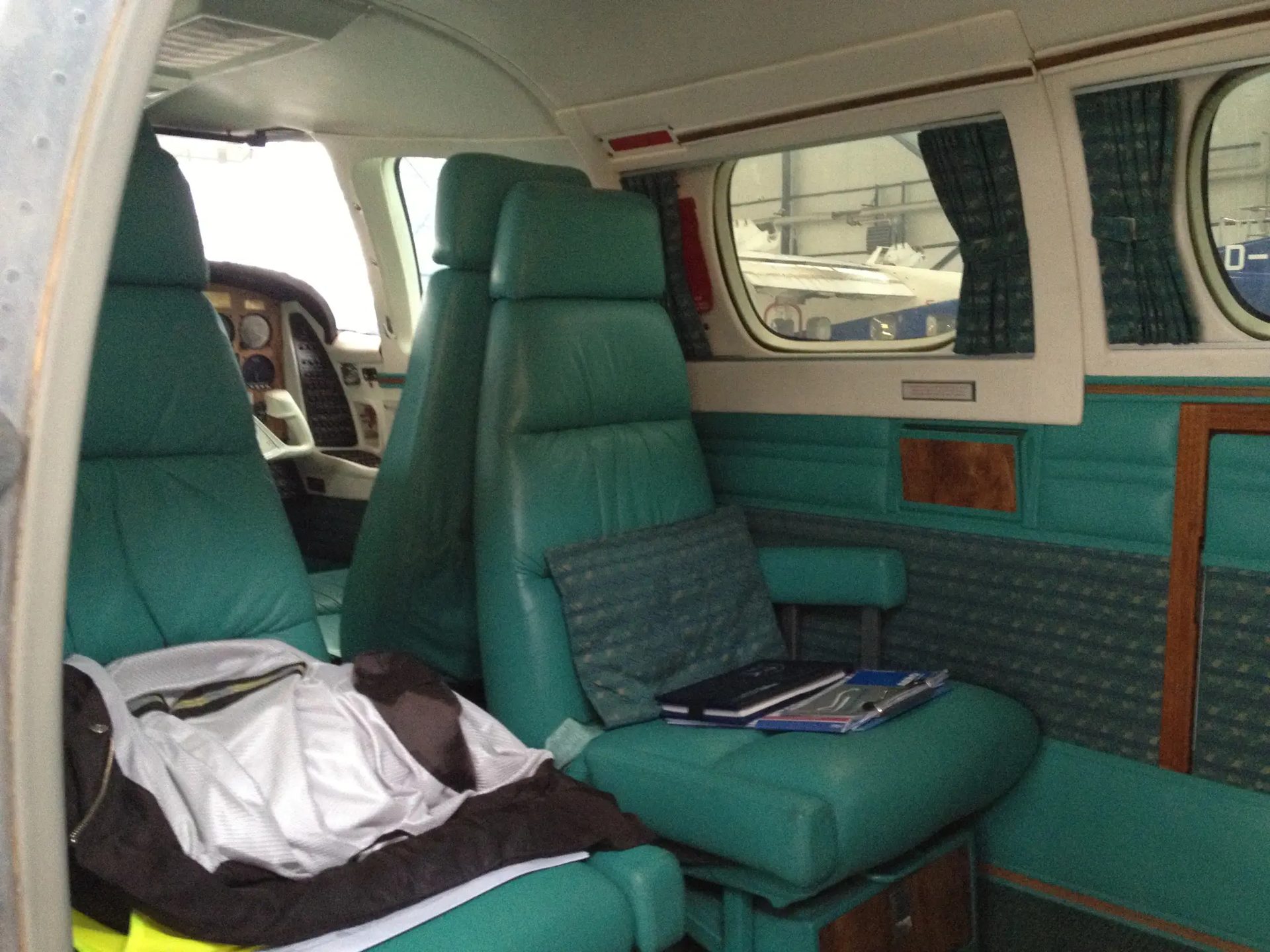
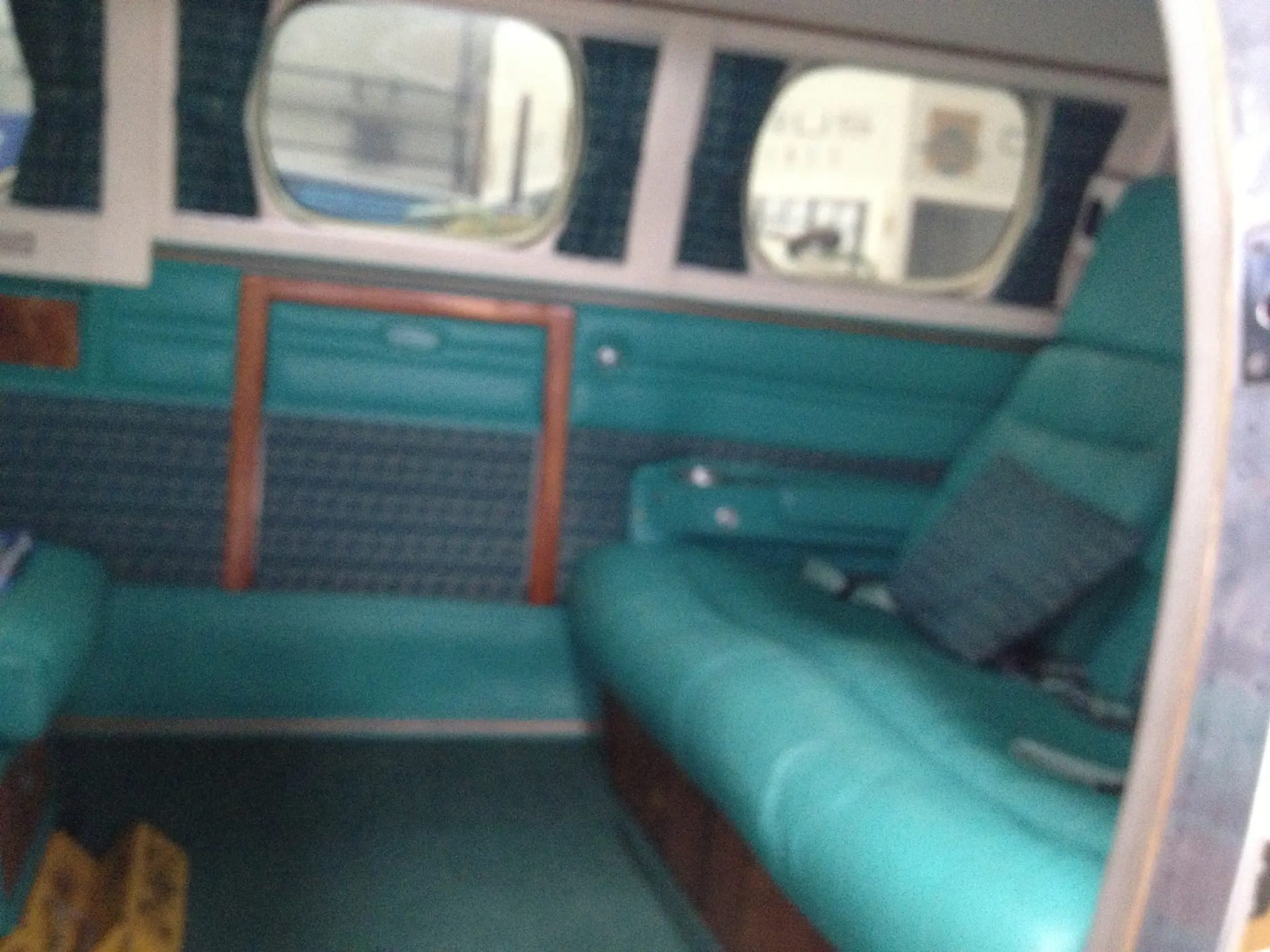
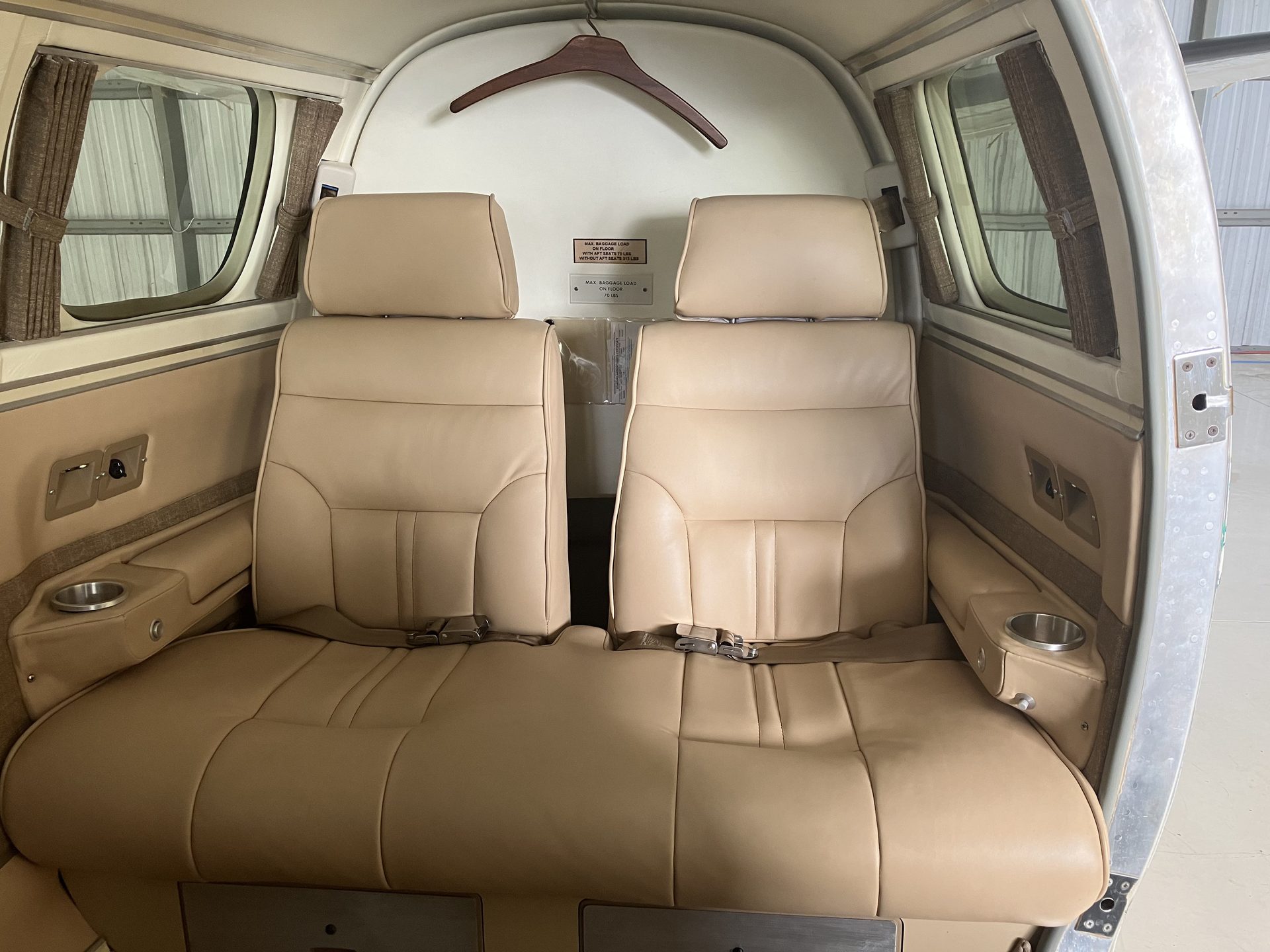
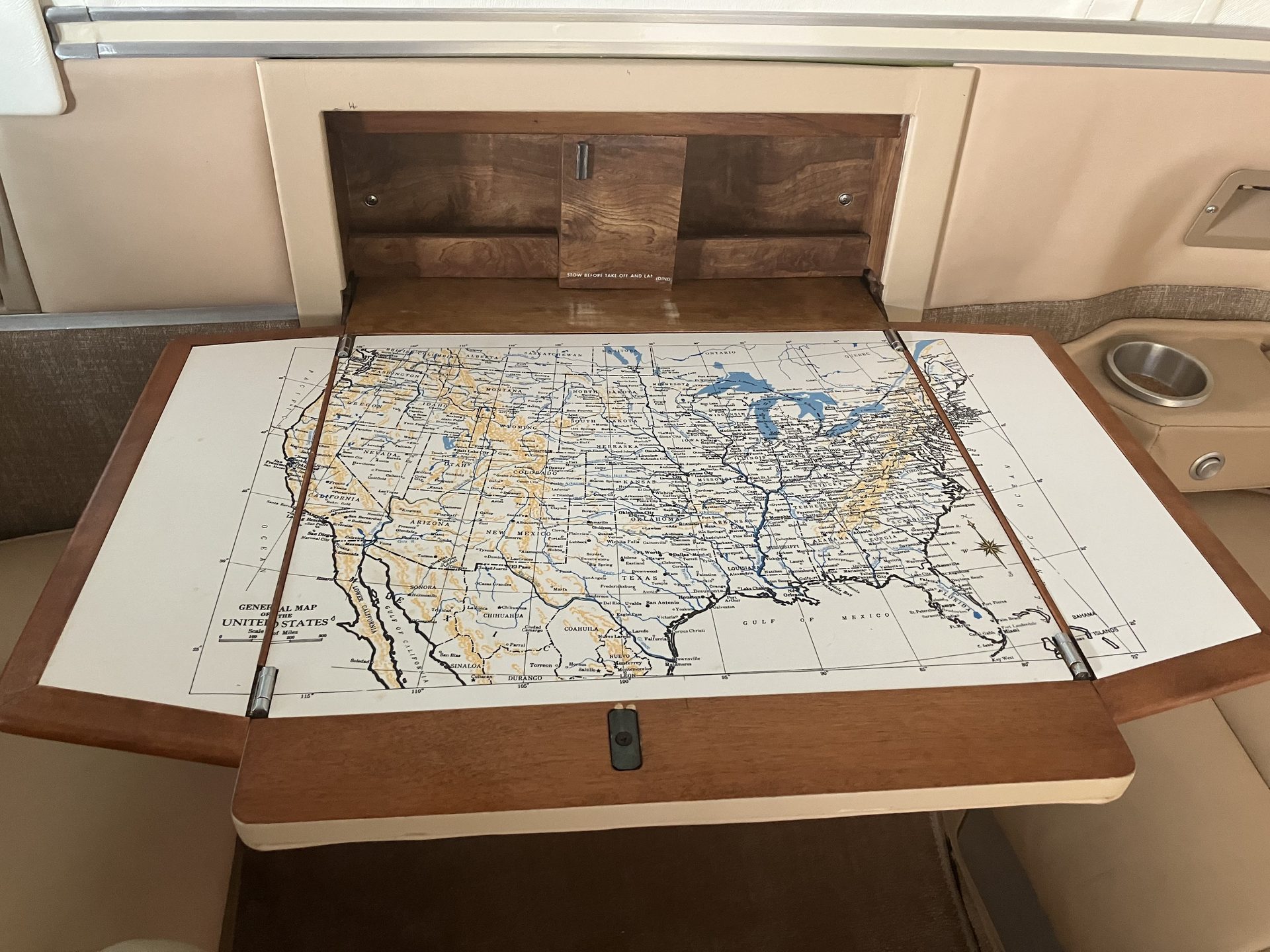
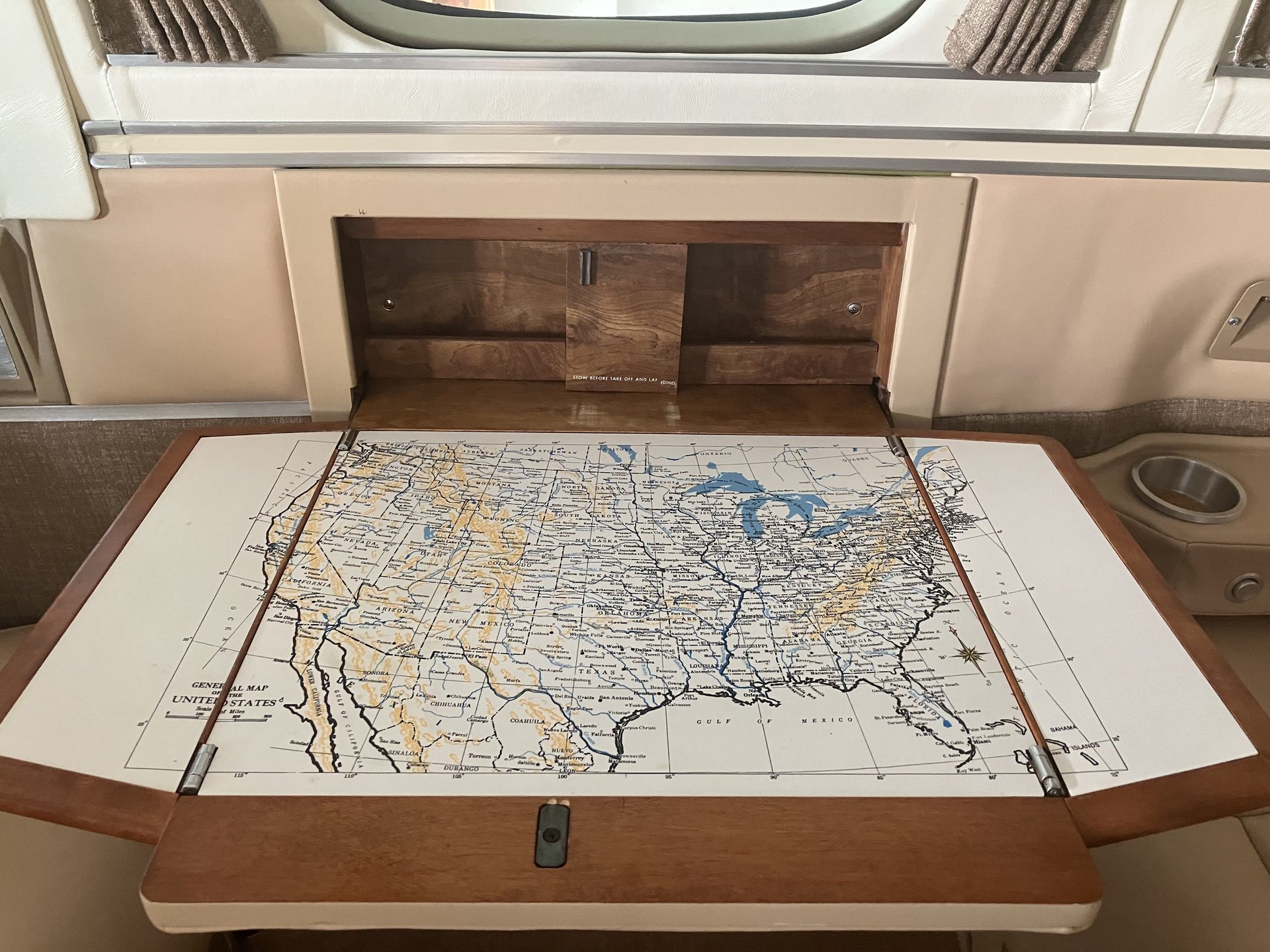
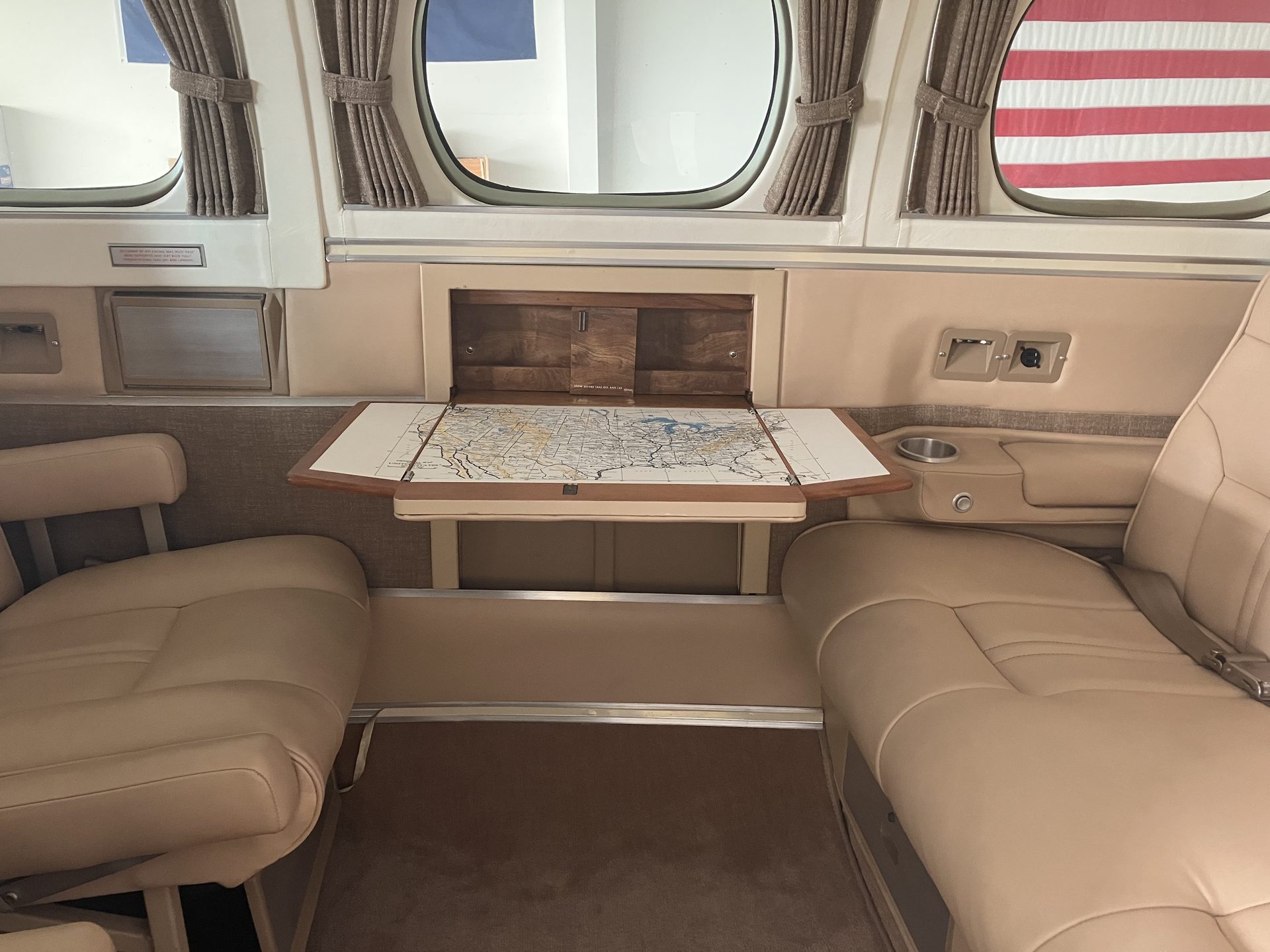
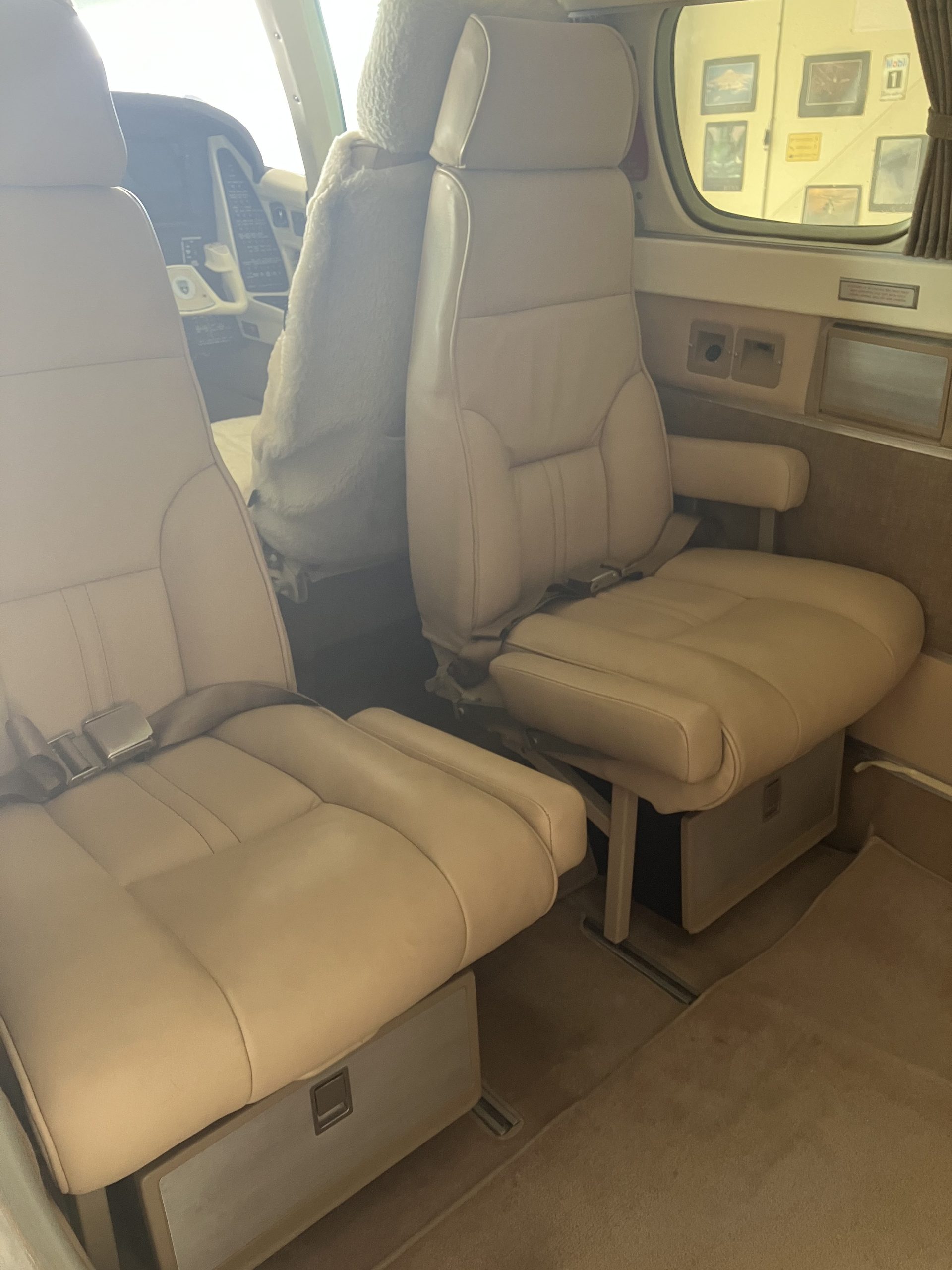
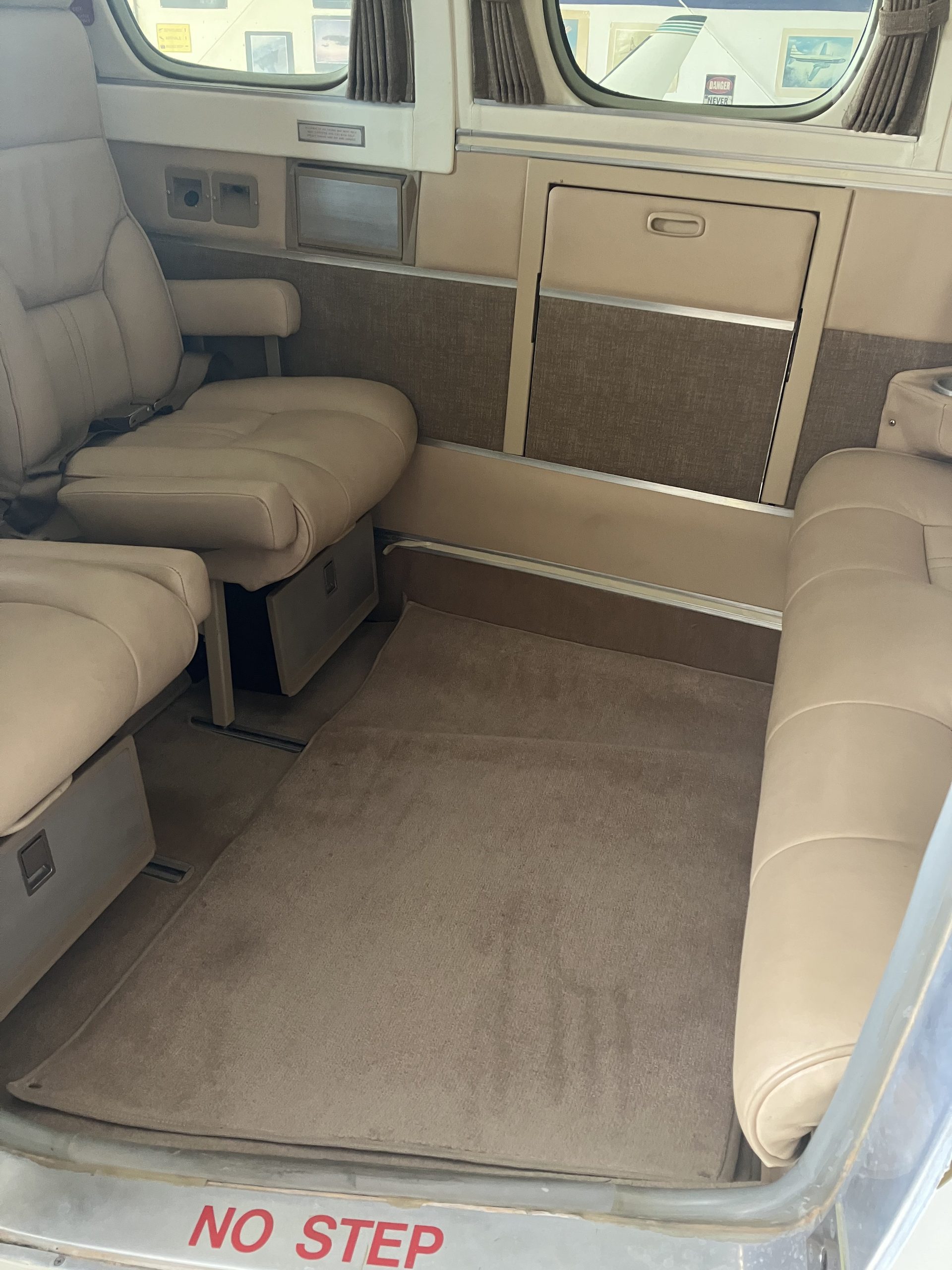
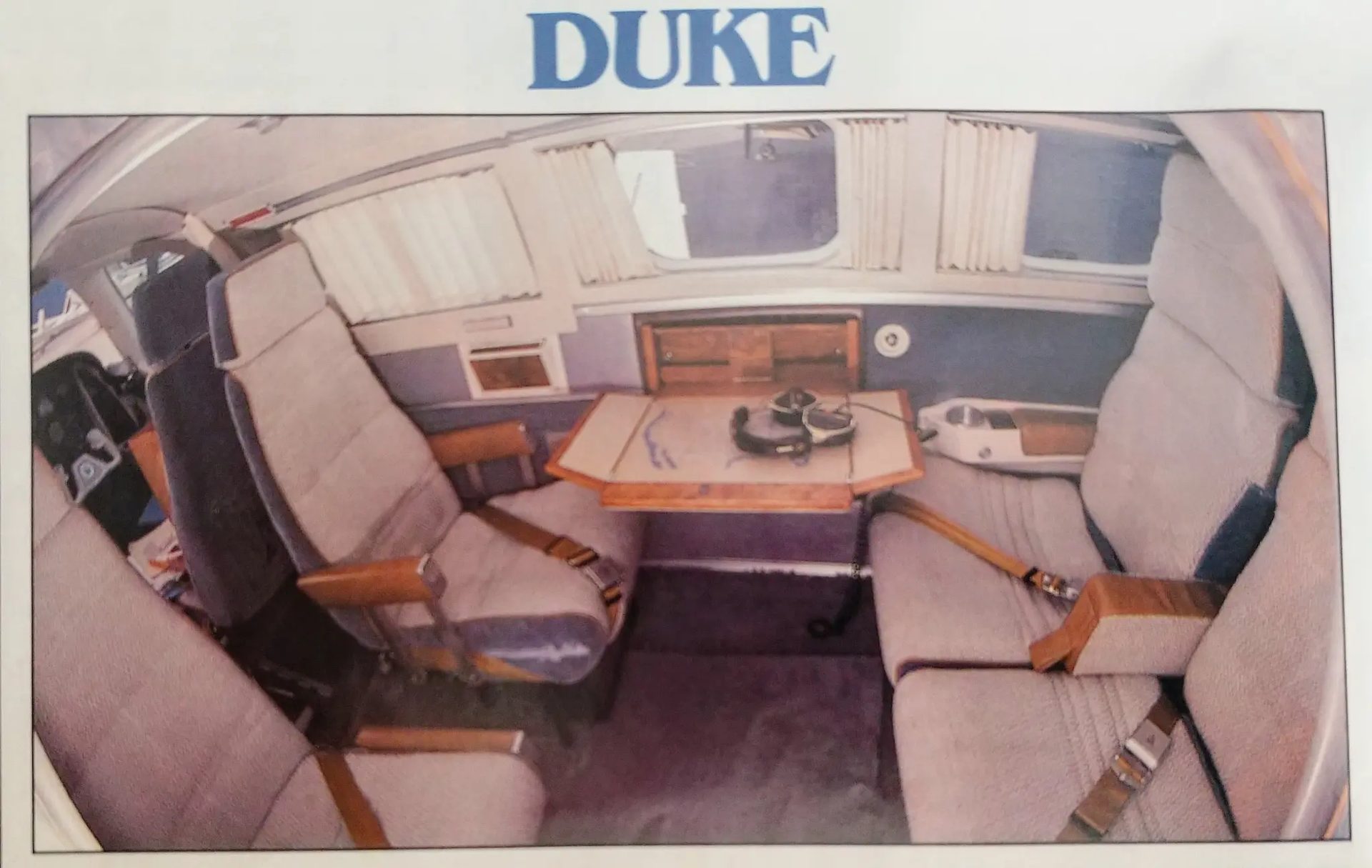
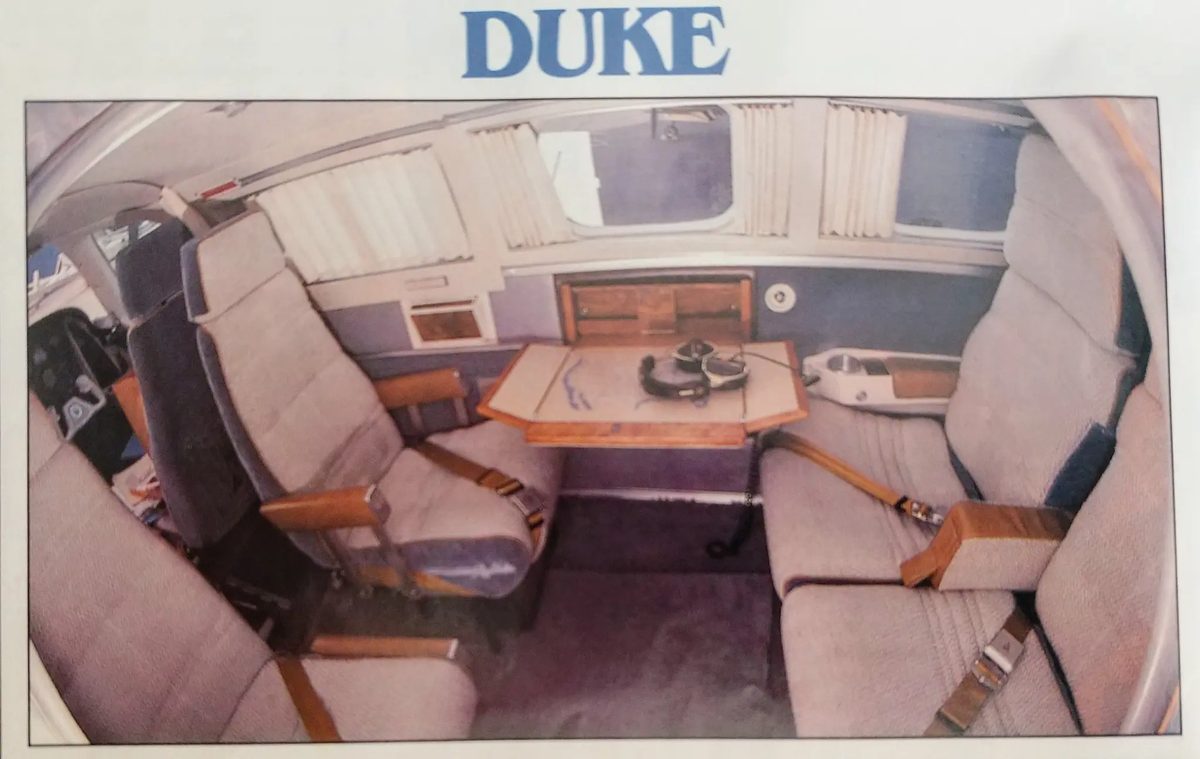 The Duke's cabin offered pressurized luxury with club seating — unprecedented for a piston twin.
A Marvel of Engineering — 1968 to 1982
First delivered in August 1968, the Beechcraft Duke was unlike anything that had come before. It was the only pressurized piston twin of its era — a cabin-class aircraft that could fly above the weather at flight levels reserved for jets and turboprops.
The Duke's swept-back empennage gave it a muscular, jet-like presence on the ramp. Its long pointed nose housed weather radar. Twin turbocharged Lycoming TIO-541 engines, each producing 380 horsepower, propelled it to 248 knots at 25,000 feet. The pressurization system maintained a comfortable 10,000-foot cabin at Flight Level 240.
Beechcraft built the Duke without compromise. Chemical milling reduced skin weight without sacrificing strength. Honeycomb stiffening reinforced high-stress areas. Flush riveting ensured aerodynamic purity. The cabin was appointed with wood grain panels, plush seating, and the quiet confidence of an aircraft built to impress first and economize second.
Production spanned three generations — the Model 60, A60, and B60 — each refining the formula. Only 596 Dukes were ever built before the line closed in 1982, making each one increasingly rare and precious.
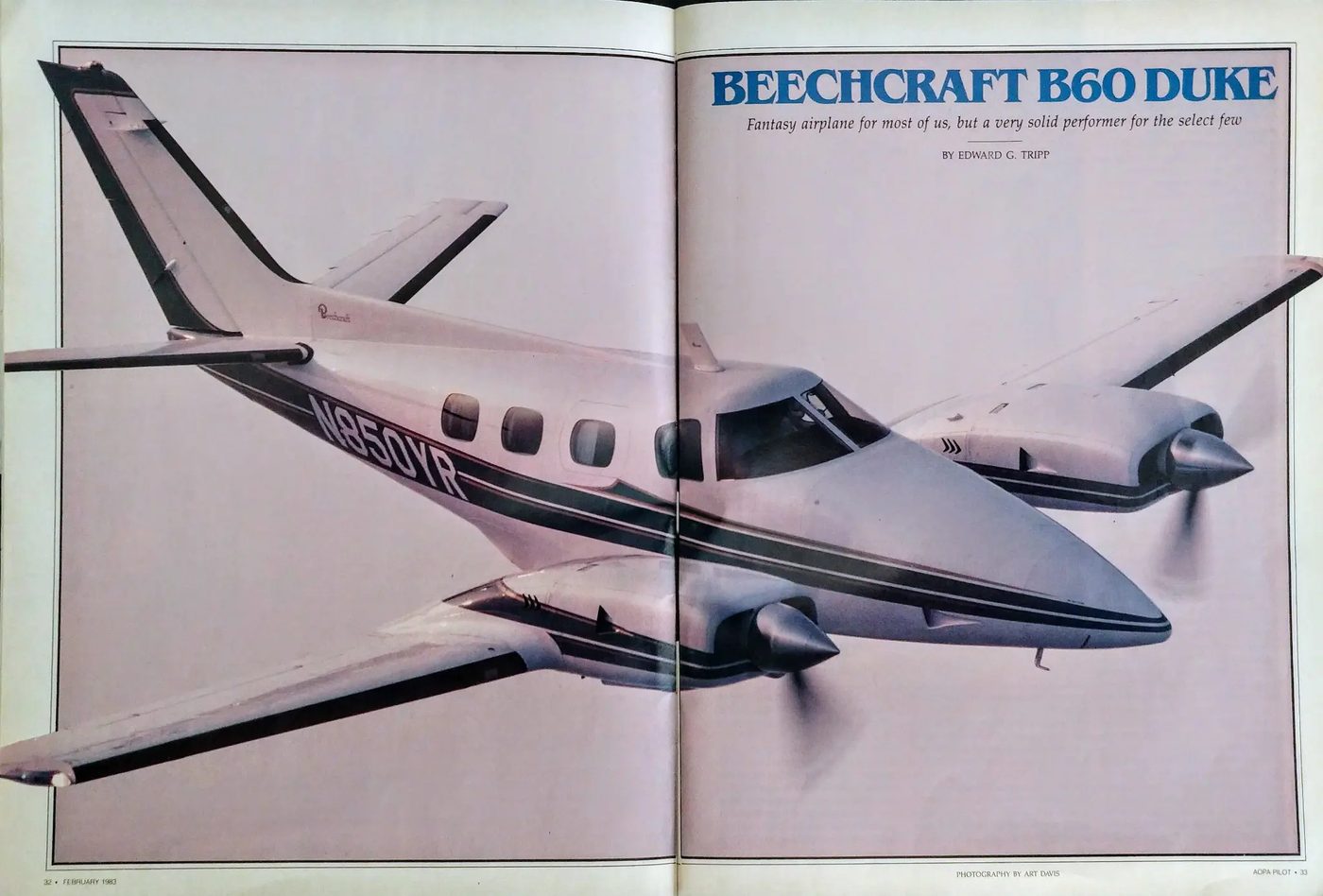
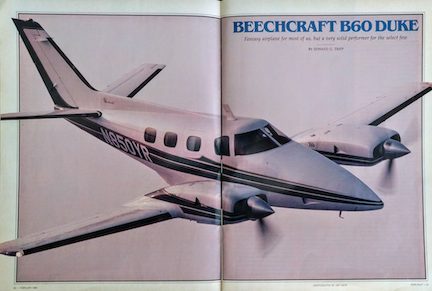
The AOPA Pilot centerfold, February 1983 — N850YR photographed by Art Davis during its debut year.
Serial Number P-581 — Born 1982
In 1982, as the Duke production line prepared to close forever, Beechcraft built something special to mark their golden jubilee. Serial number P-581 rolled off the Wichita line as the official 50th Anniversary Edition — tail number N850YR.
The registration told the story: "850YR" — encoding "50" and "YR" for the 50th Year of Beechcraft. One of the final Dukes ever built, and the most advanced to leave the factory.
Within months, N850YR was featured in AOPA Pilot magazine. The February 1983 issue showcased a stunning air-to-air centerfold by photographer Art Davis, with aviation writer Edward G. Tripp declaring it a "fantasy airplane for most of us, but a very solid performer for the select few."
But the Duke's journey was only beginning.
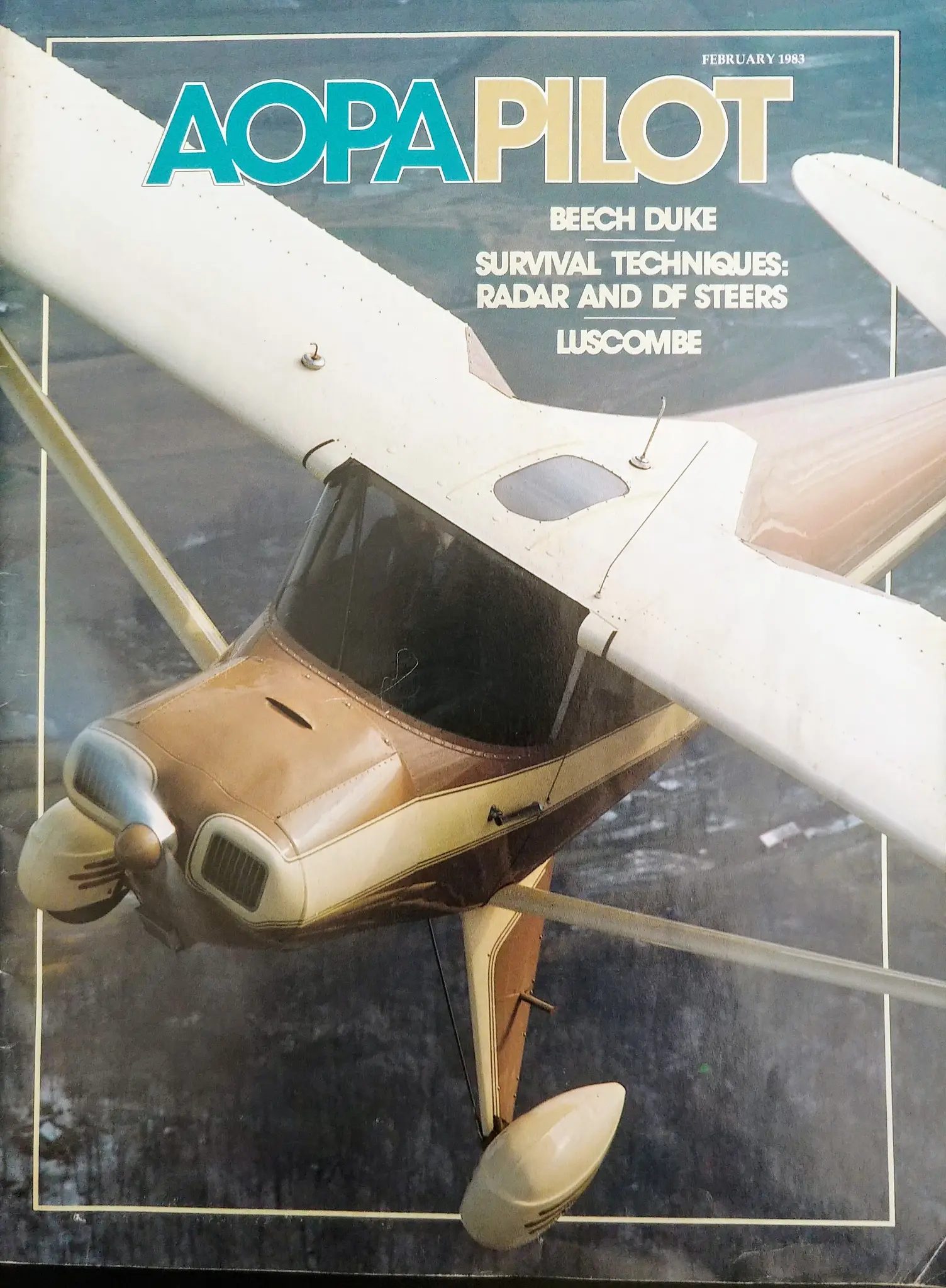 AOPA Pilot, February 1983 — the issue that featured N850YR in a full centerfold spread.
Rolls off the production line as Beechcraft's 50th Anniversary Edition. Serial P-581 — among the last Dukes ever built.
Featured in AOPA Pilot magazine with a full air-to-air centerfold spread by photographer Art Davis. Declared a "fantasy airplane" by the aviation press.
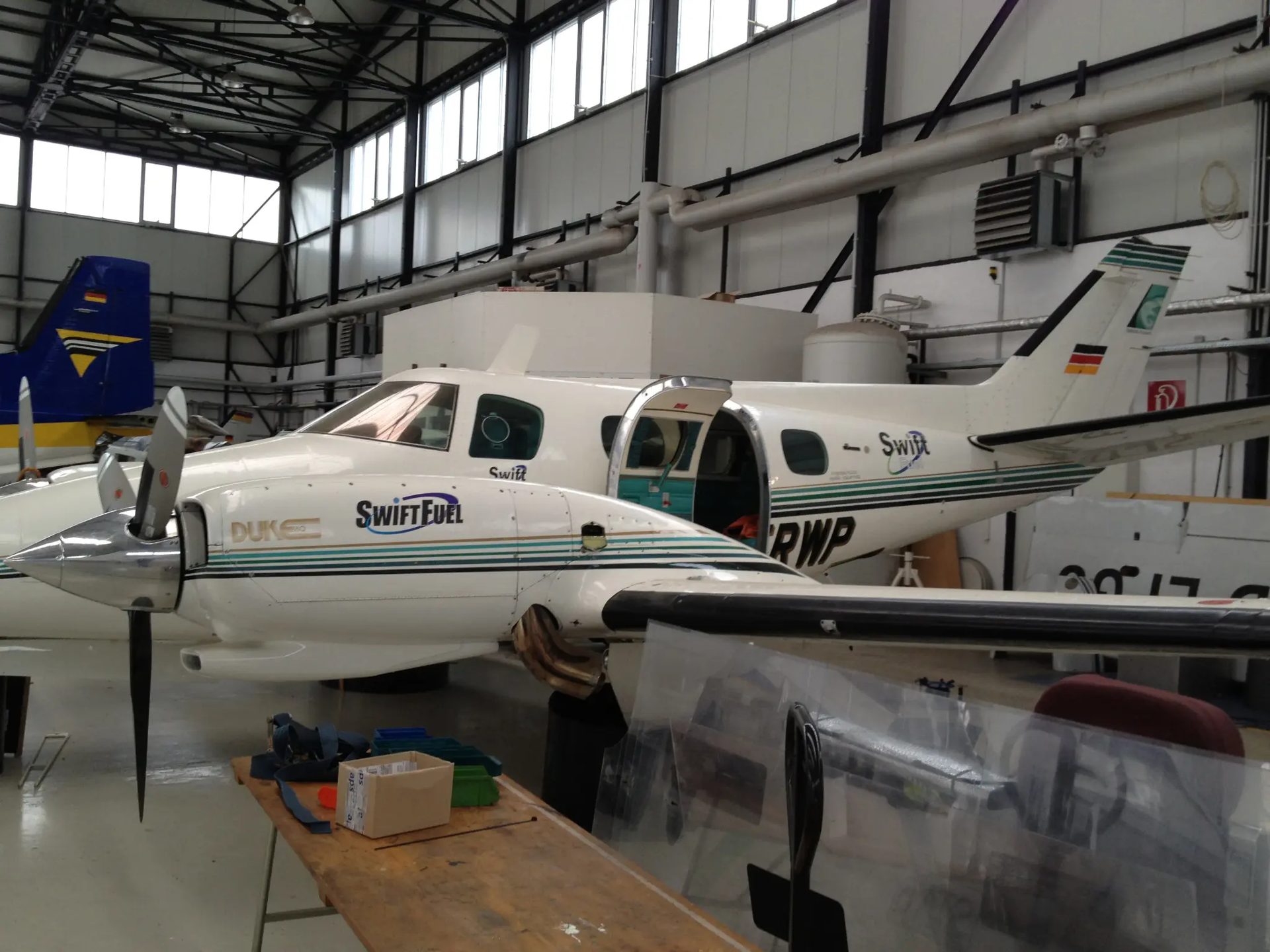
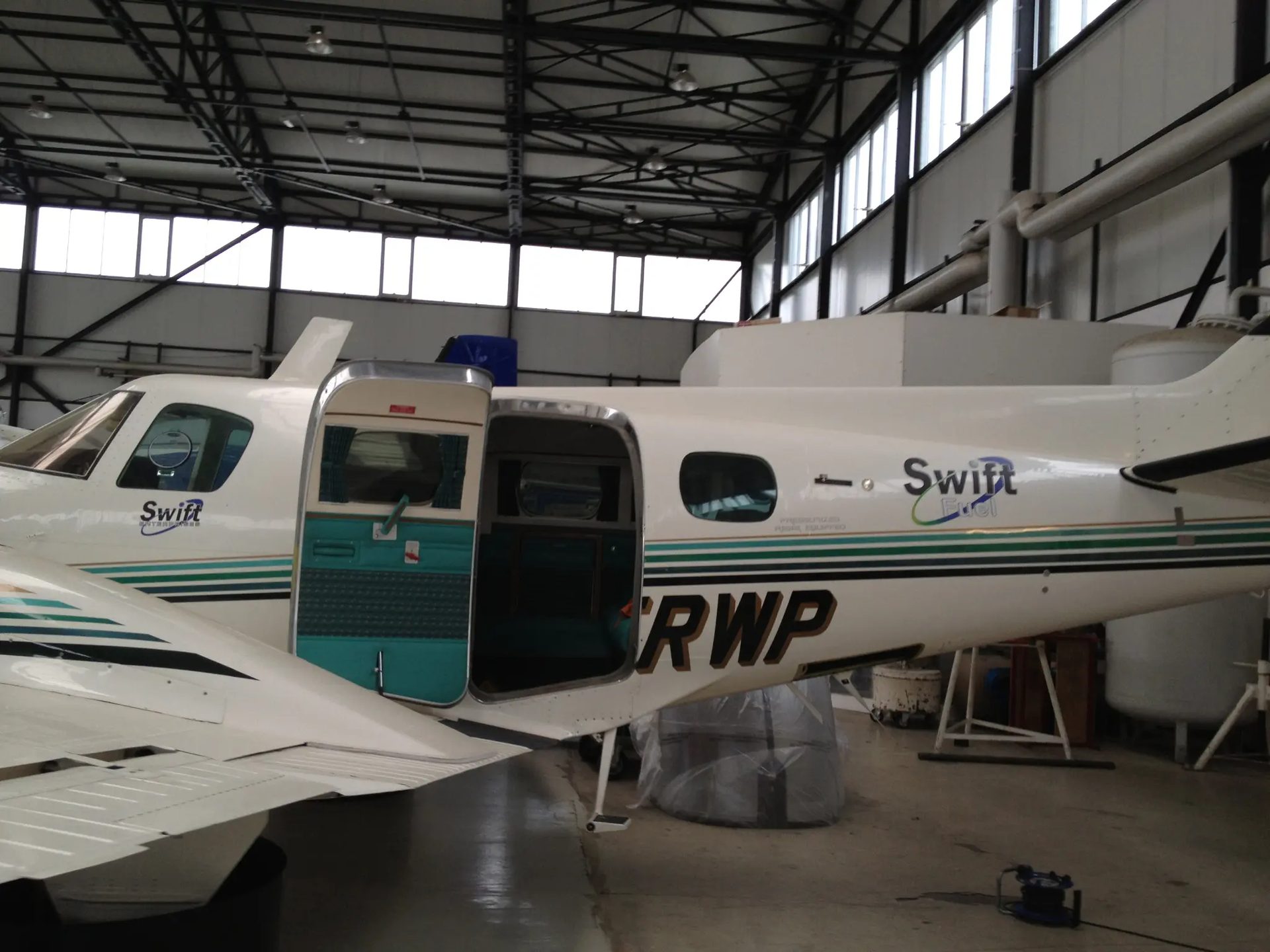
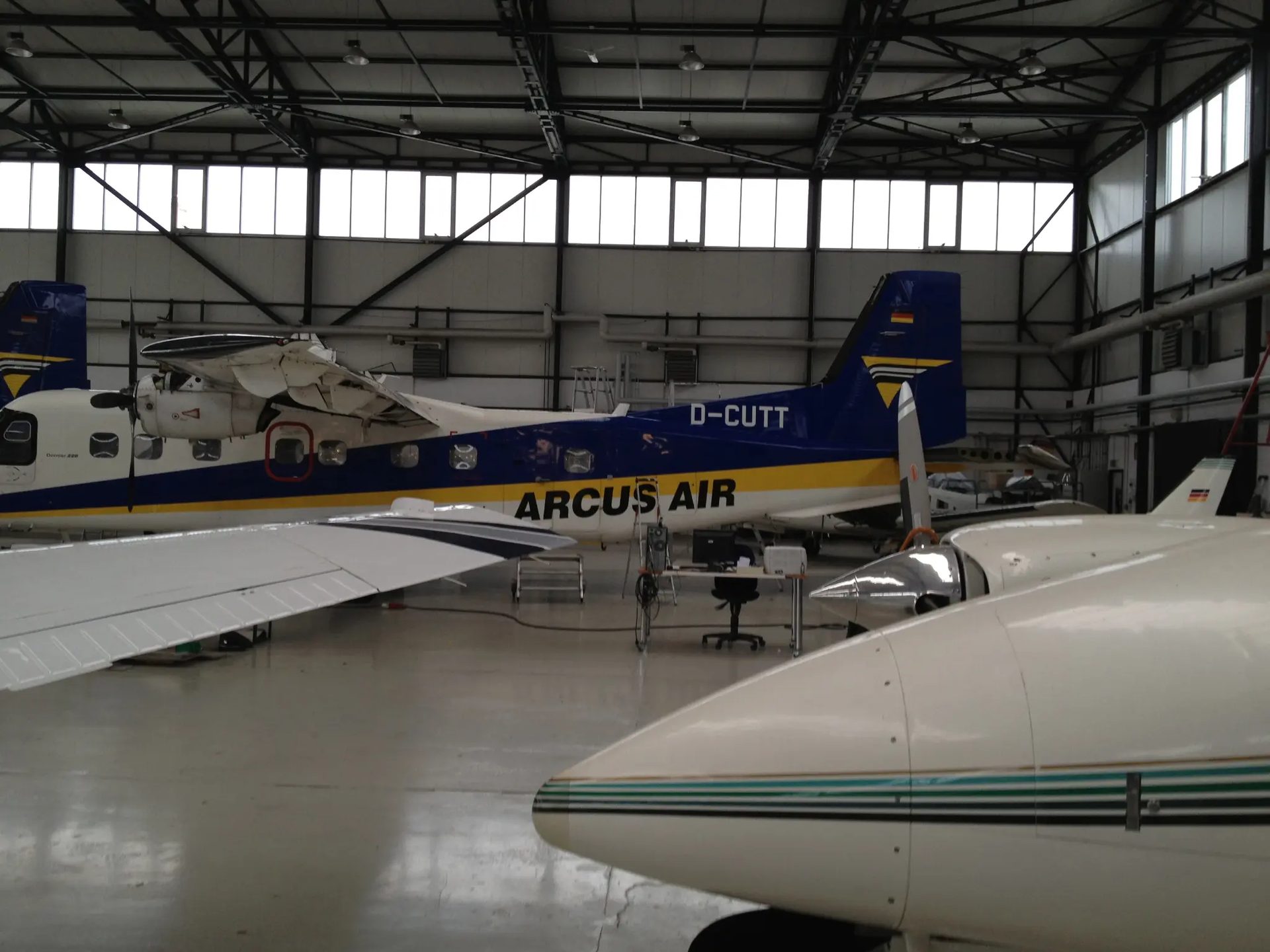
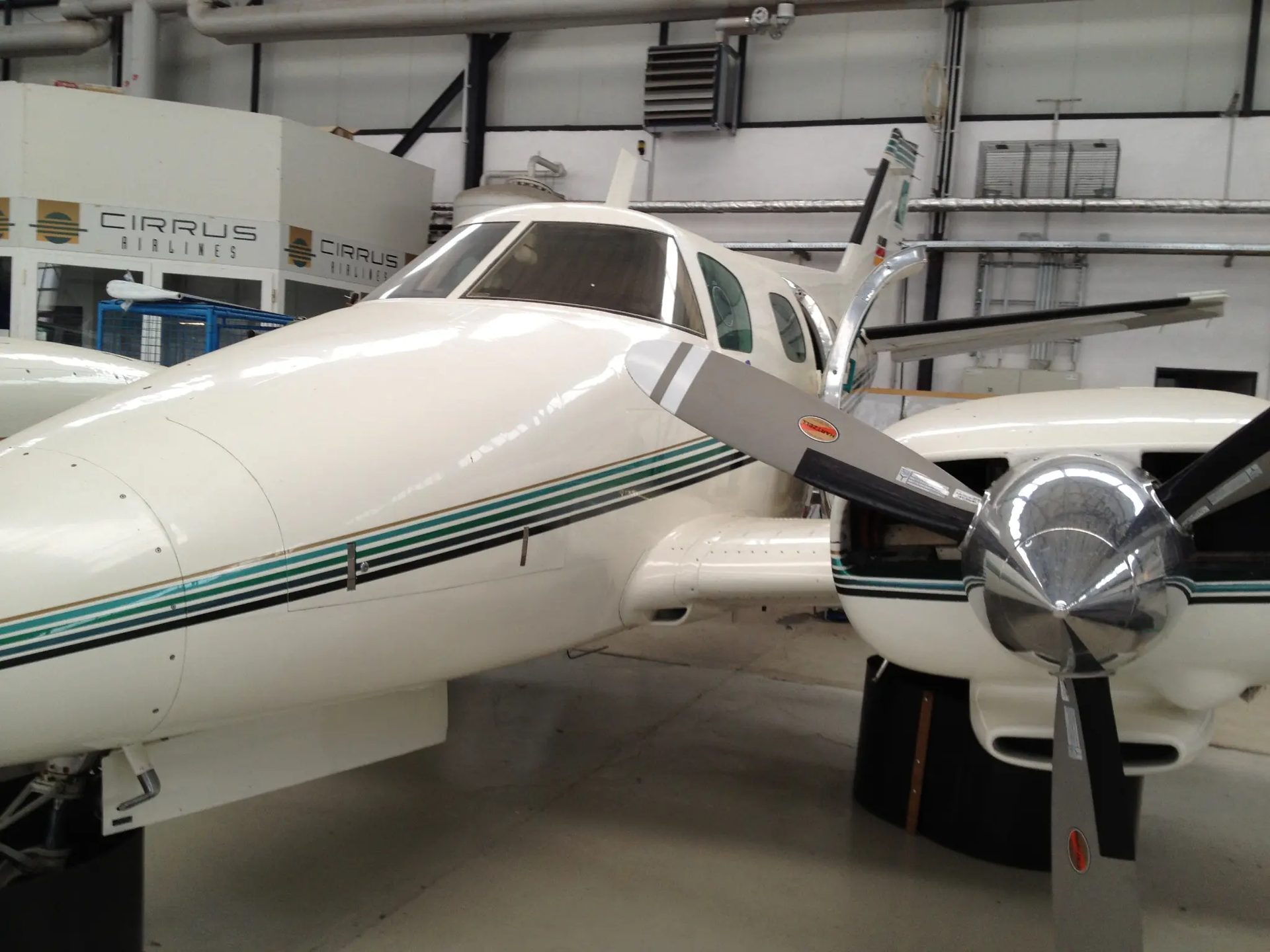
Flies to Germany and becomes the official show airplane for Beechcraft Germany. Re-registered as D-IRWP, it tours European airshows as the pinnacle of piston twin engineering.
Crosses the Atlantic once more, returning to the United States. Restored to its original N850YR registration. Meticulously maintained through the decades.
Acquired 37 years after rolling off the line. A passion project begins — the Duke will be stripped to its airframe and reborn as something extraordinary.
After nearly two years of comprehensive renovation, N850YR emerges as a modern Grand Duke — as advanced as anything flying today, while preserving the soul of the original.
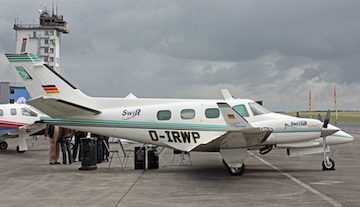
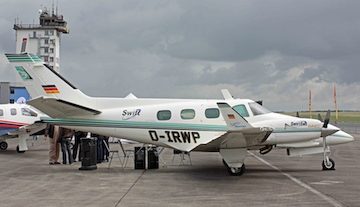
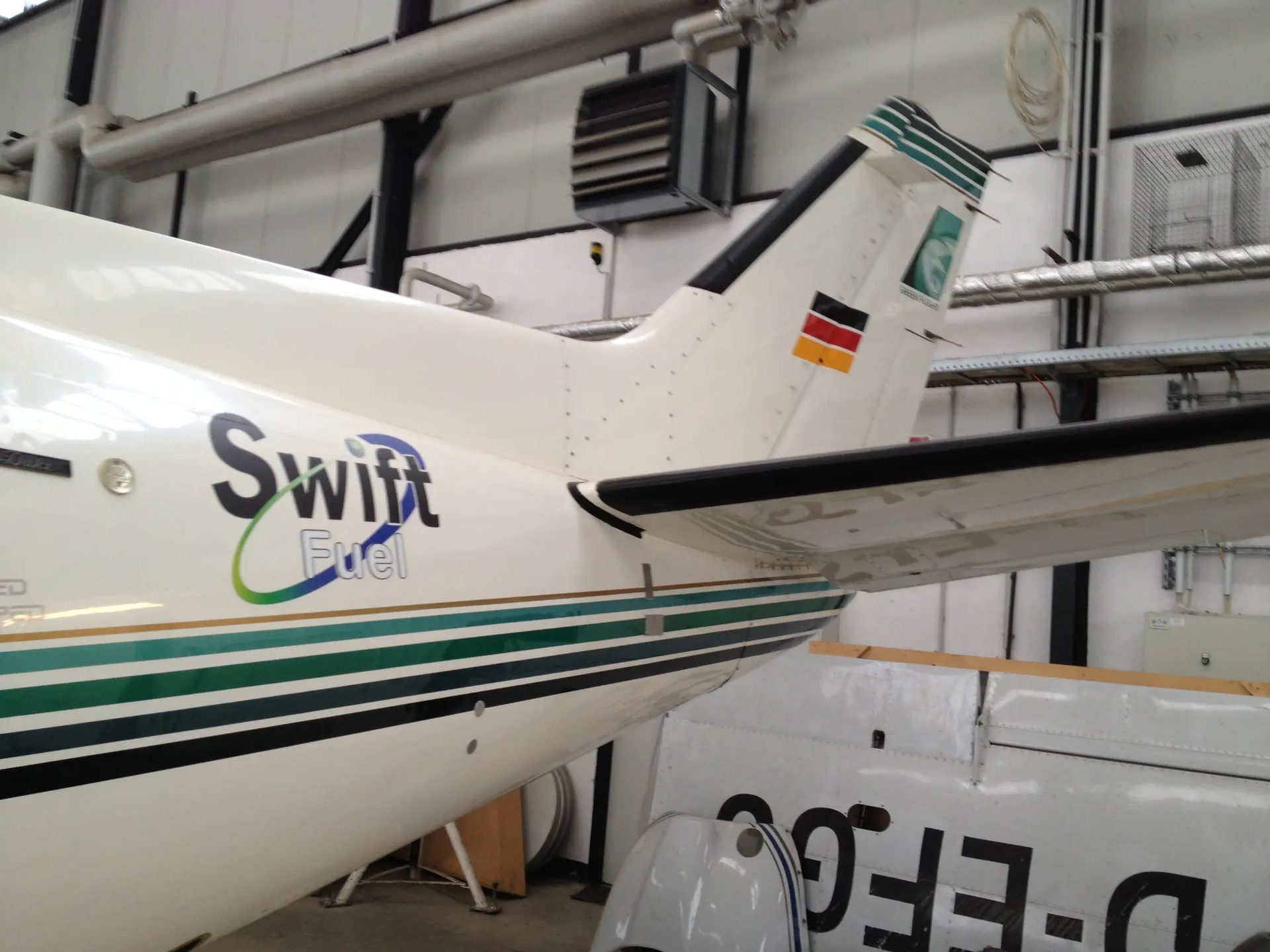
Registered as D-IRWP during its European chapter — the Duke served as Beechcraft Germany's flagship demonstration aircraft.
The Grand Duke Transformation — 2019 to 2021
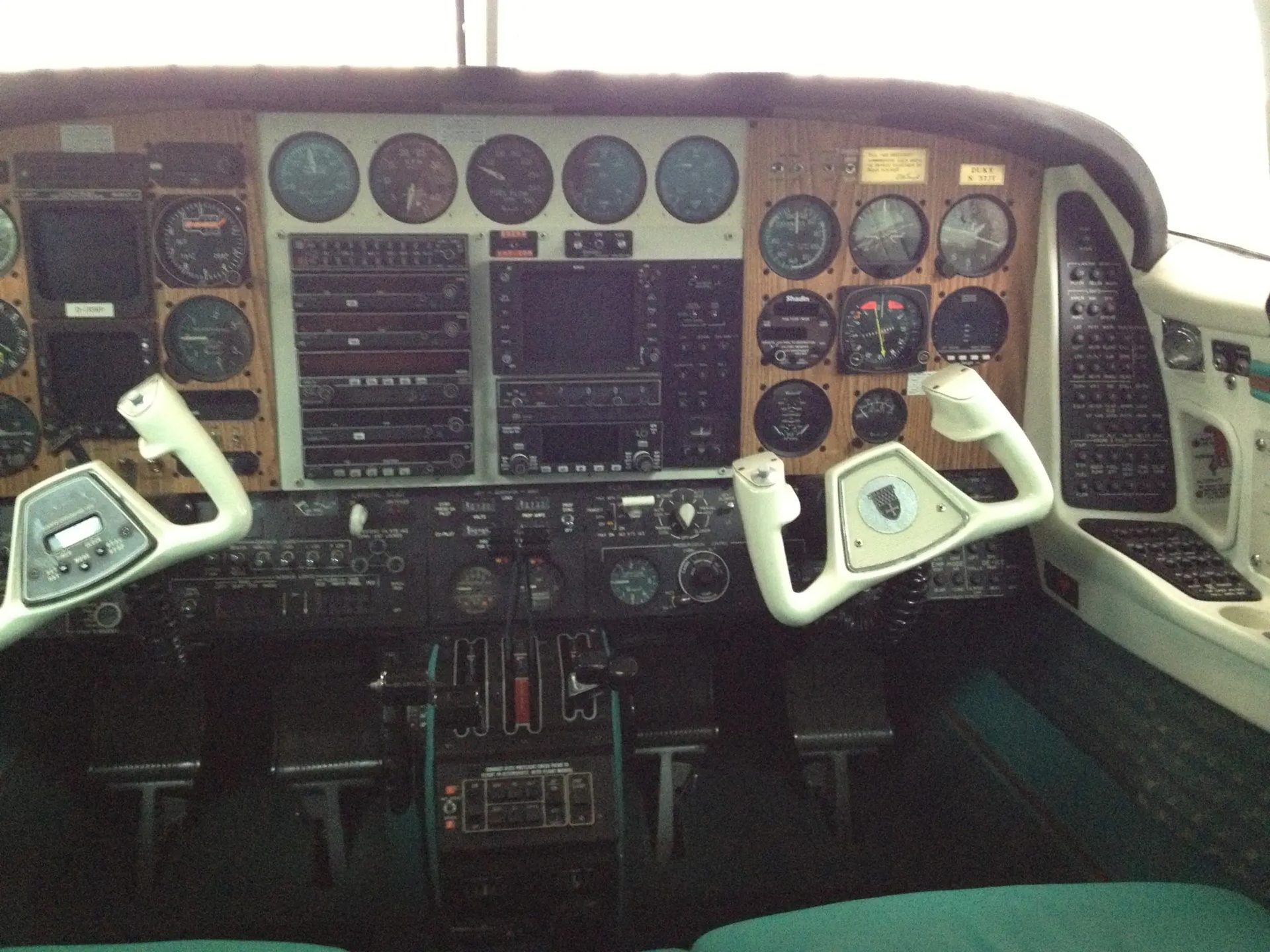
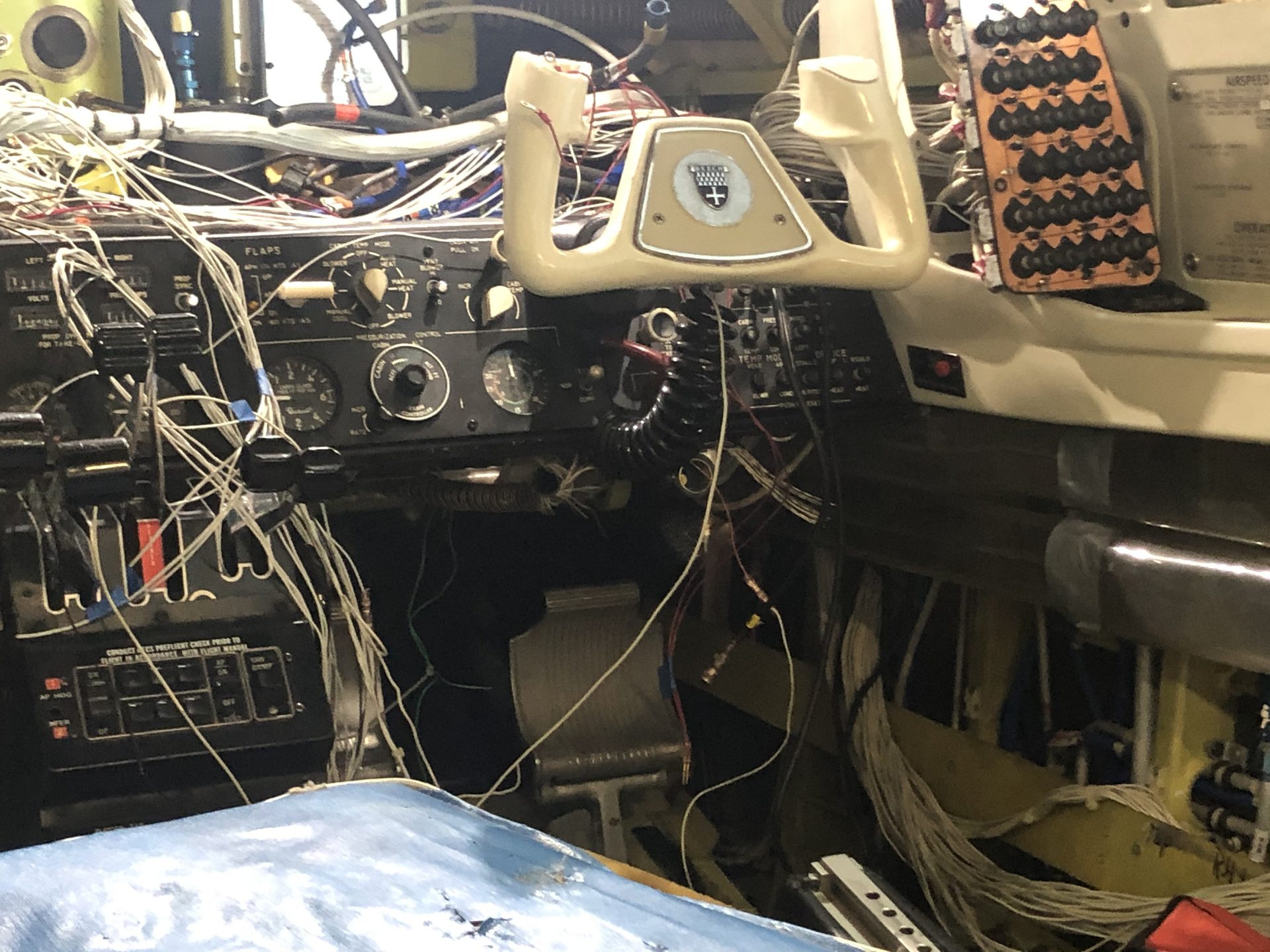
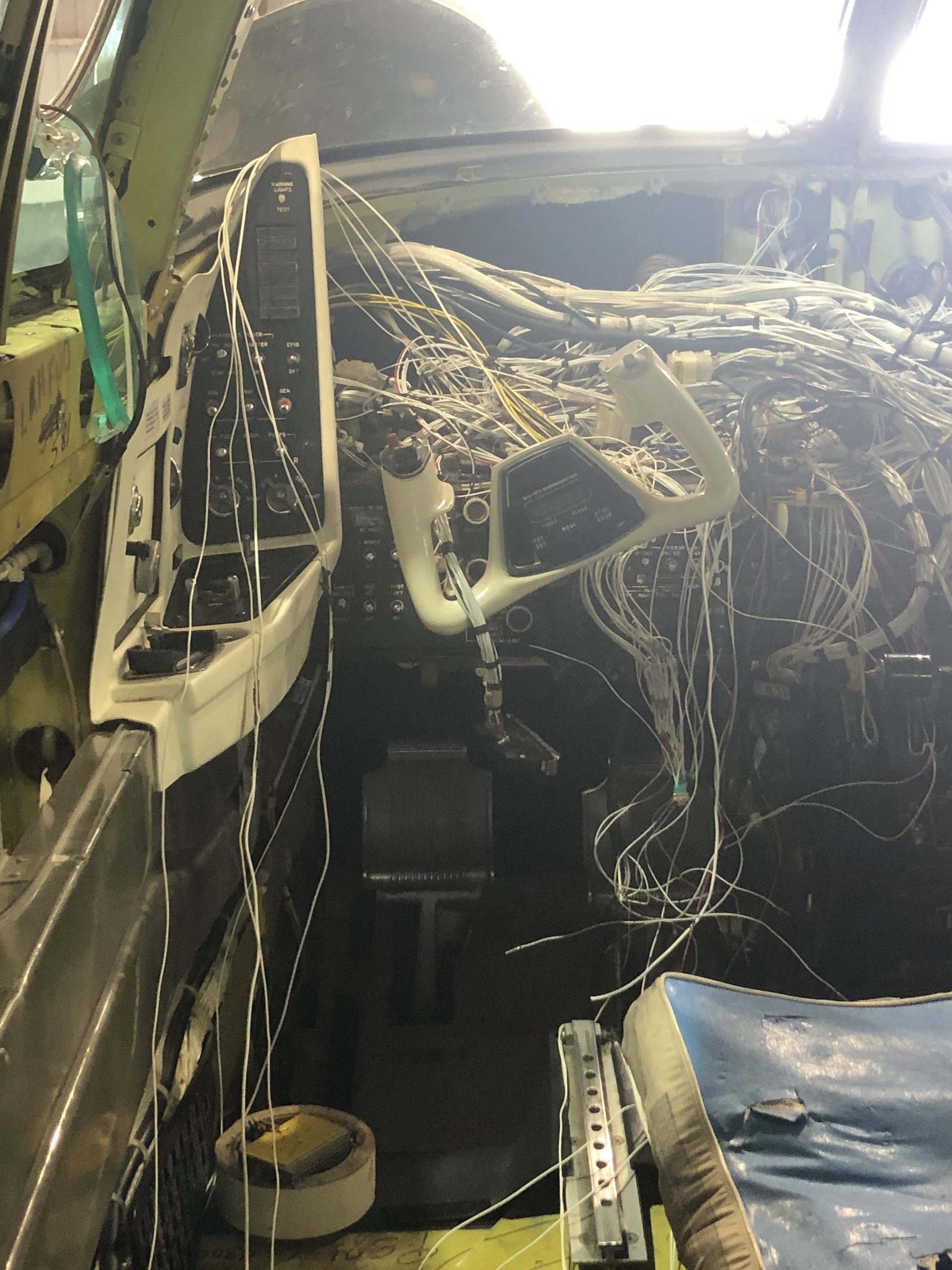
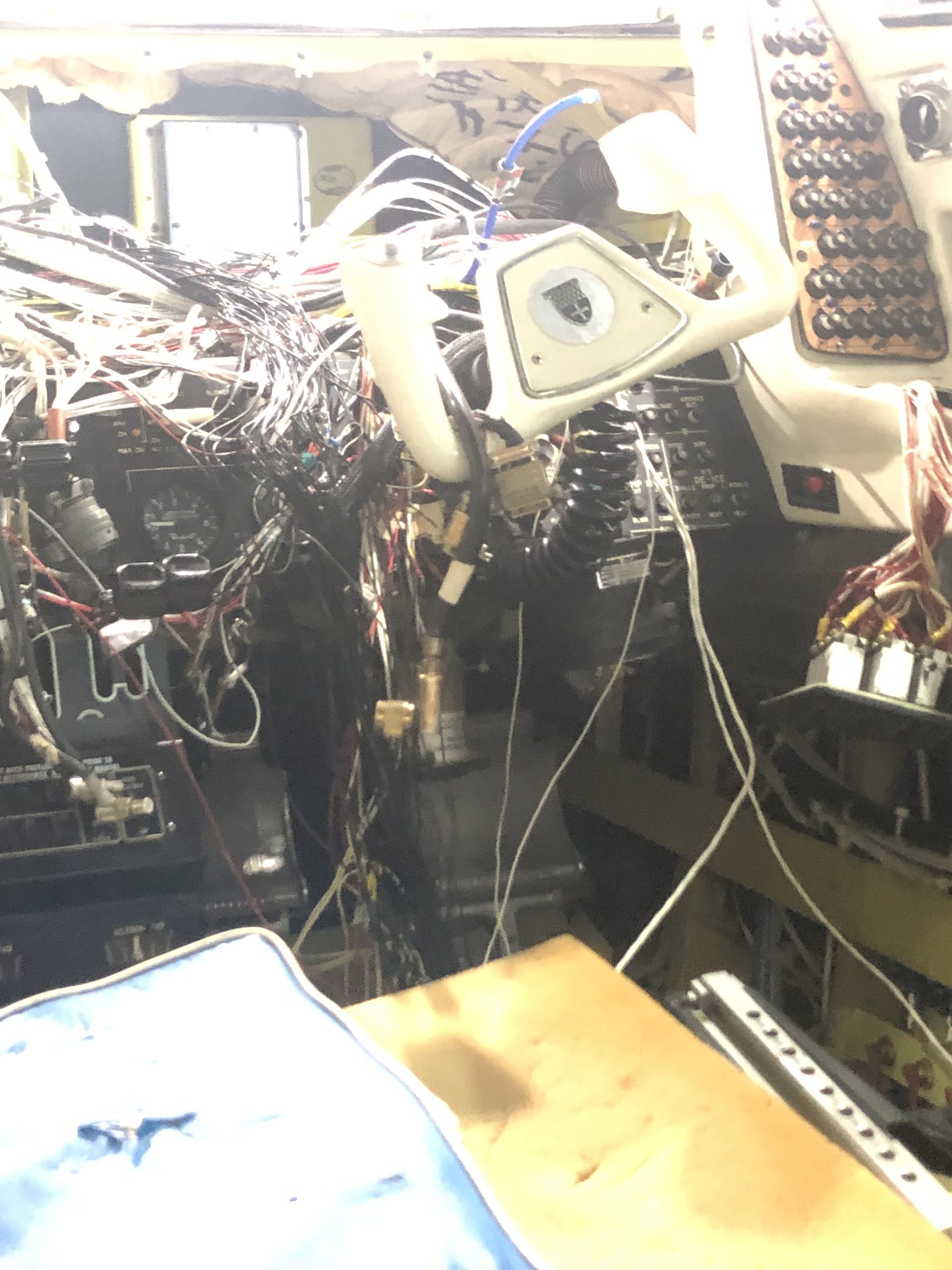
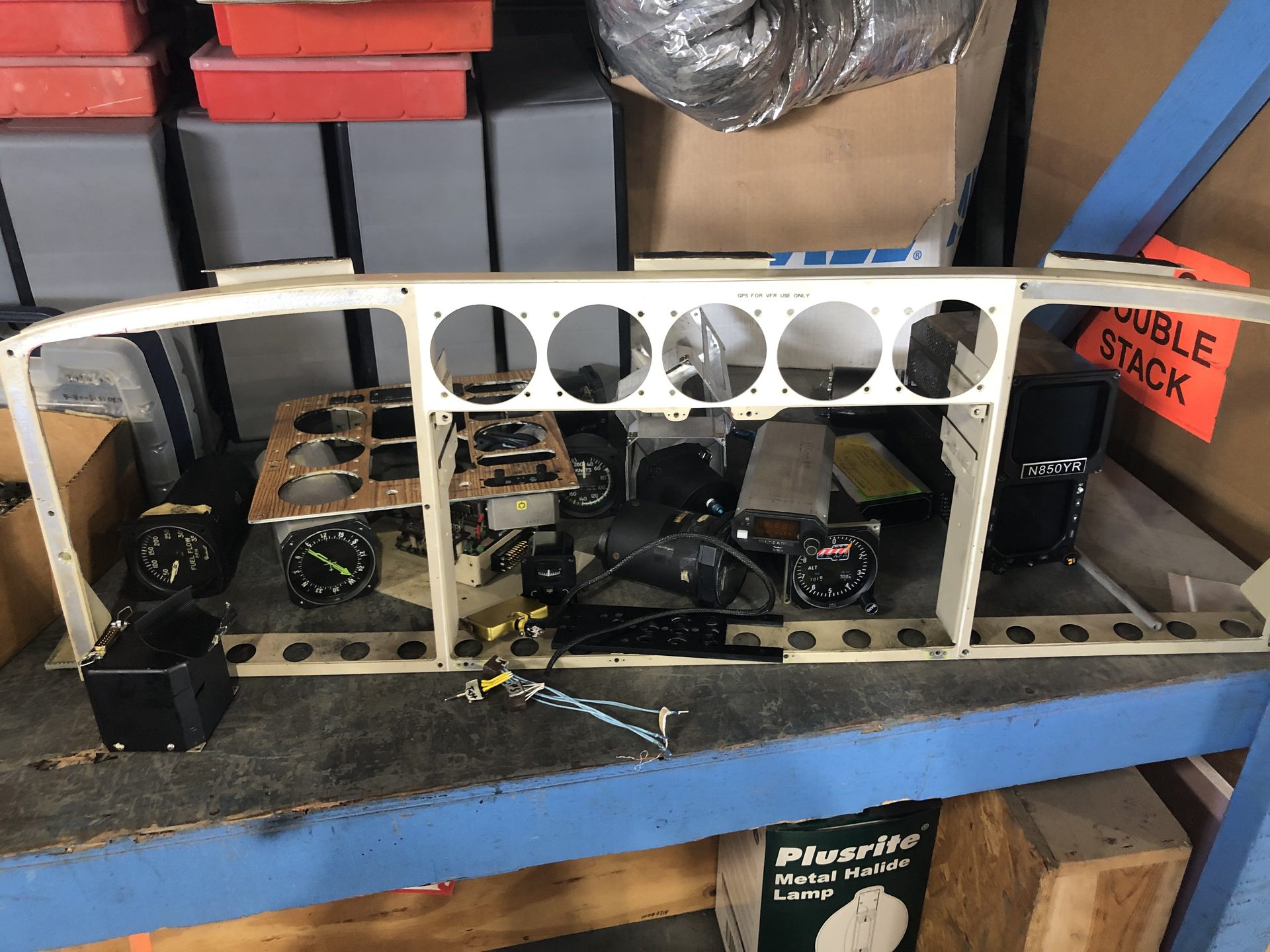
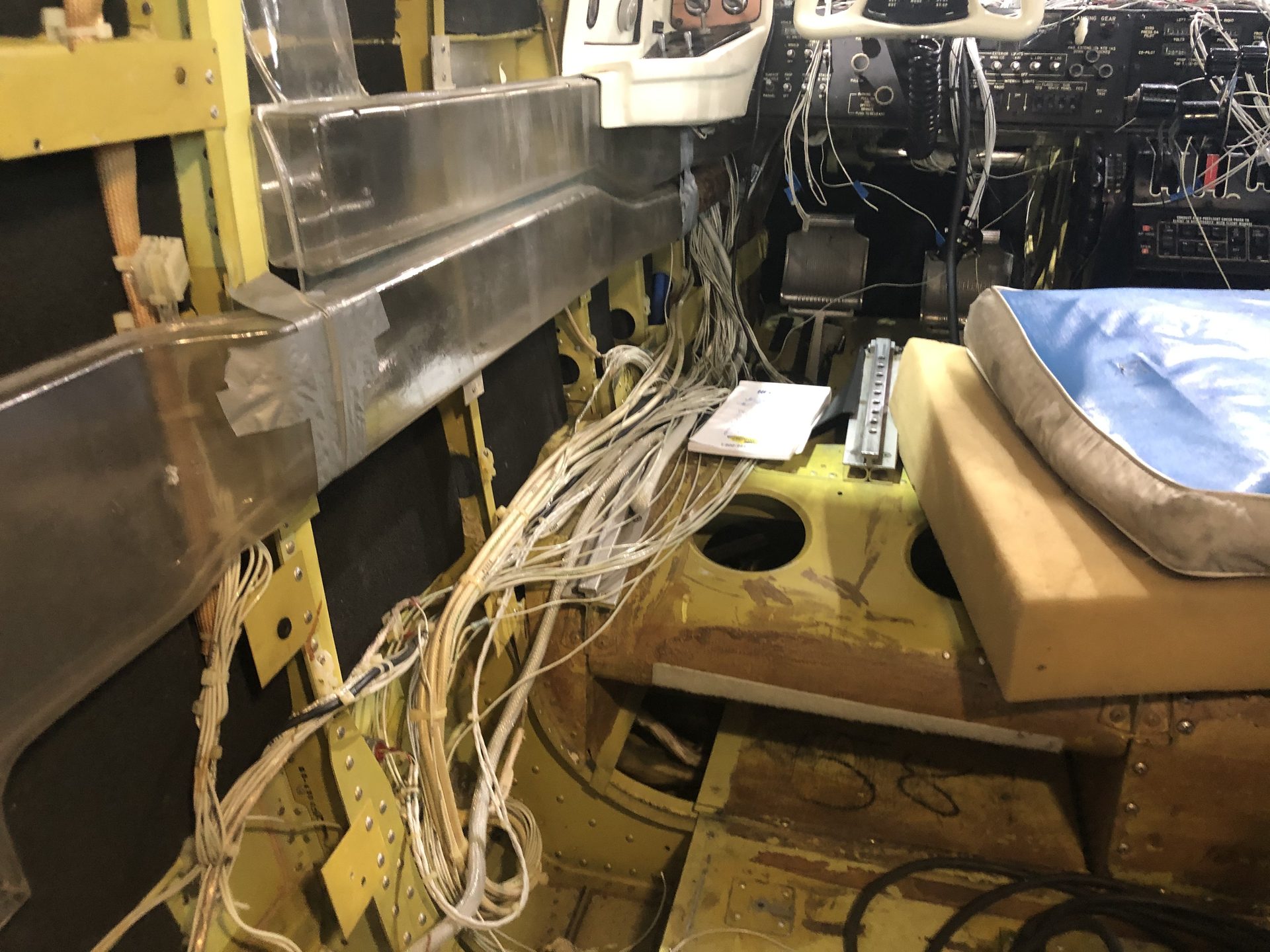
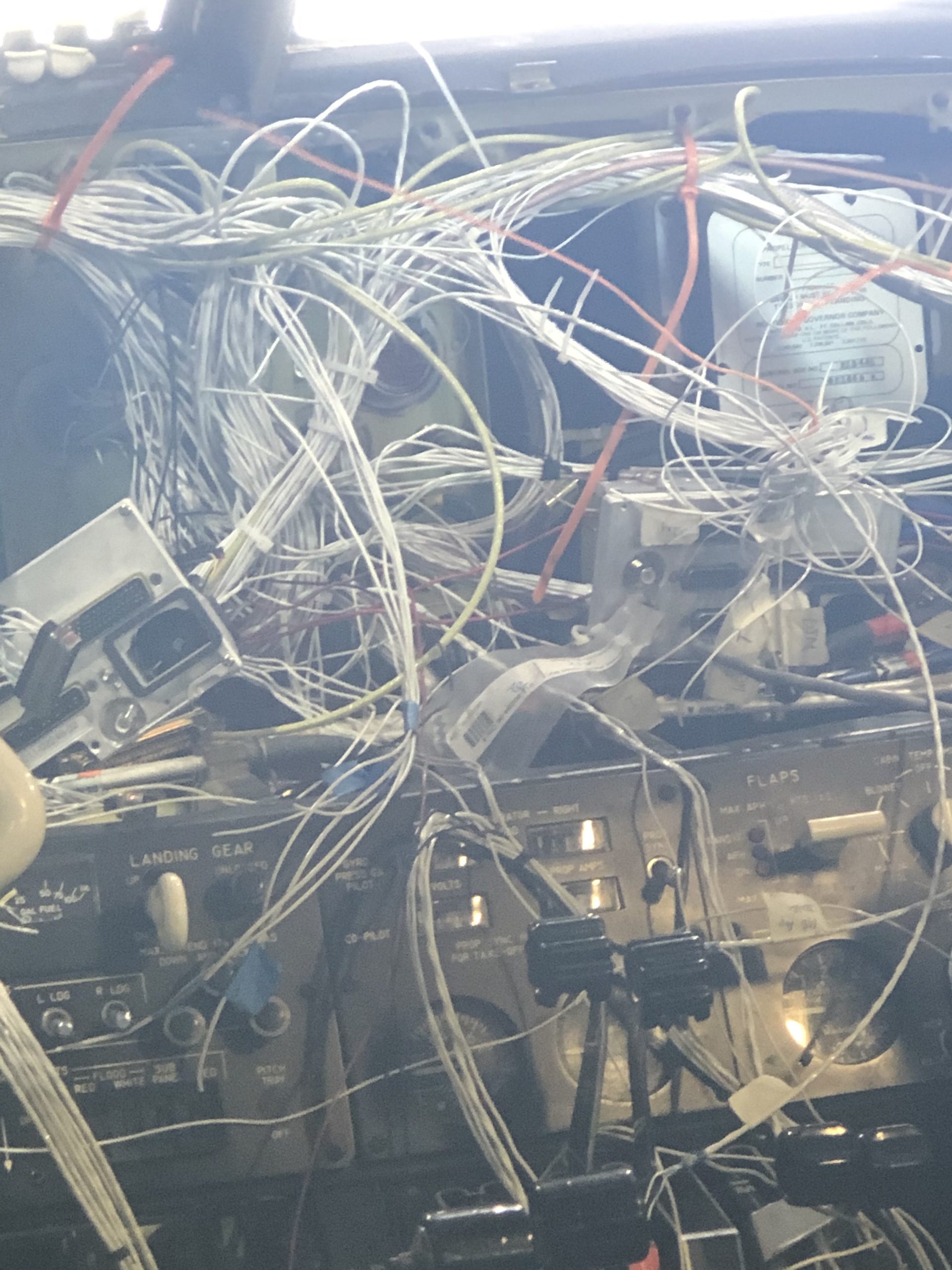
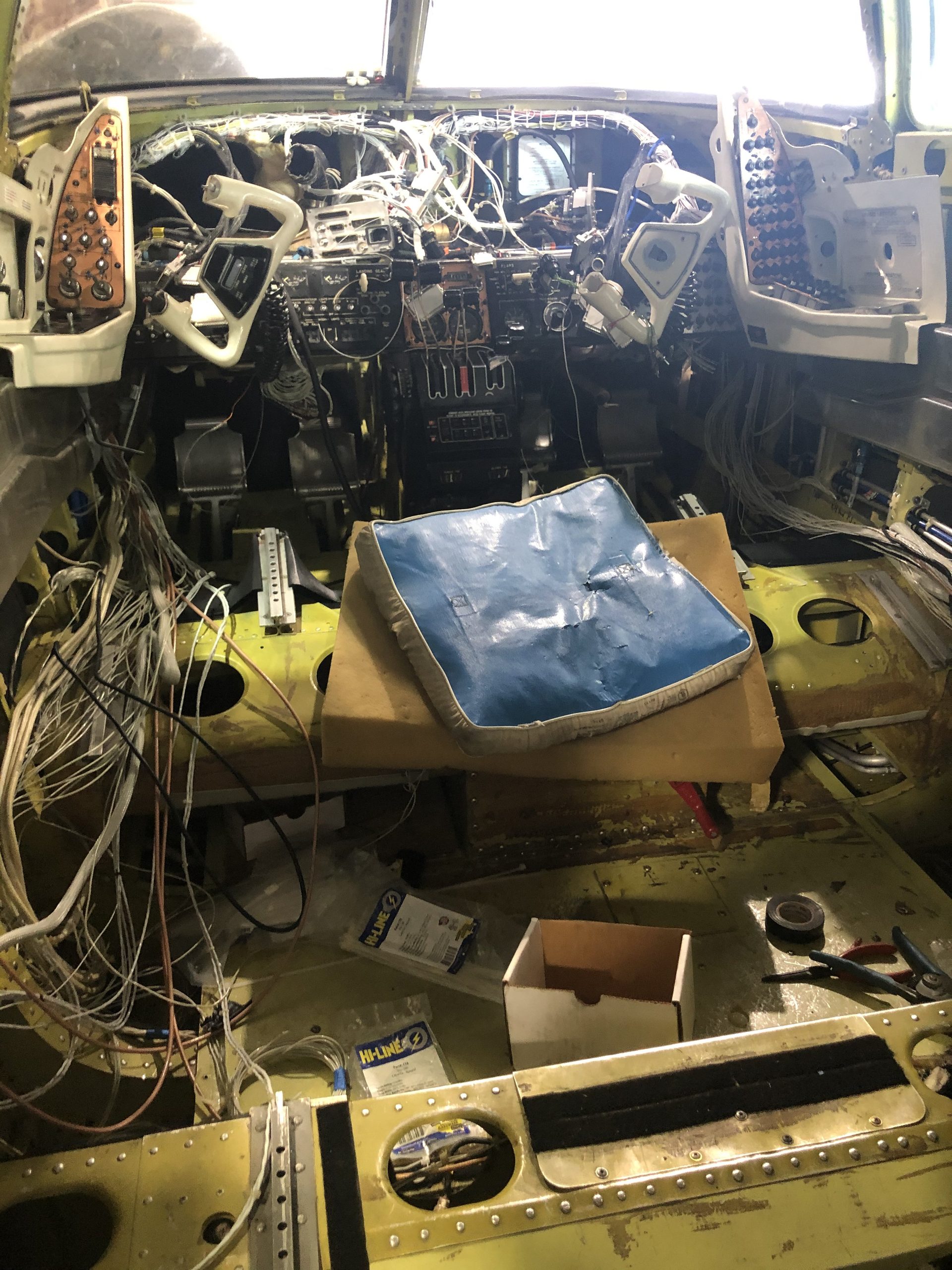
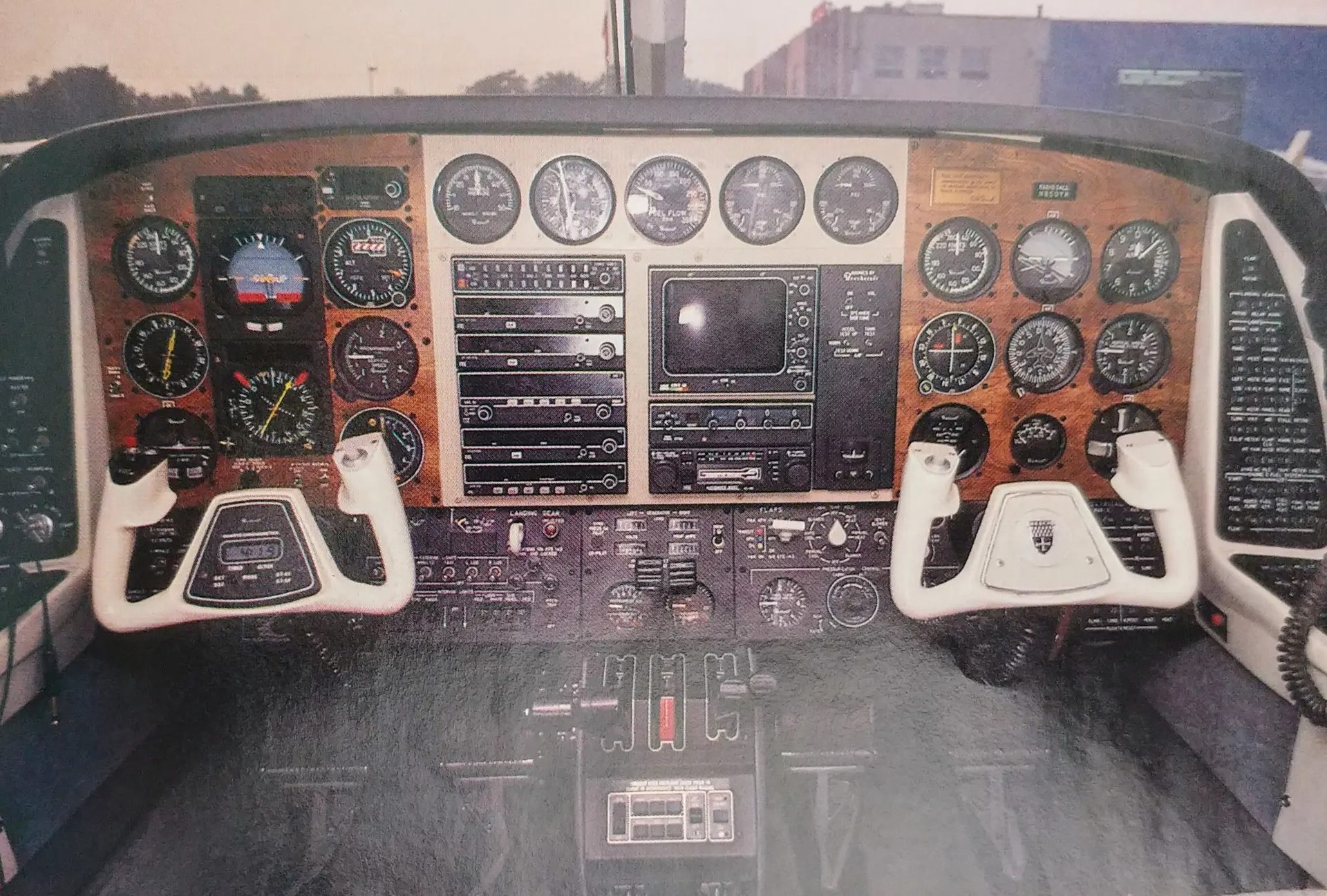
In 2019, a vision took shape: strip N850YR to its bones and rebuild it as the ultimate expression of what a Duke could be. Gone would be the dated Miami Vice-era foam green interior. Gone would be every analog gauge. In their place — the finest modern technology married to legendary airframe engineering.
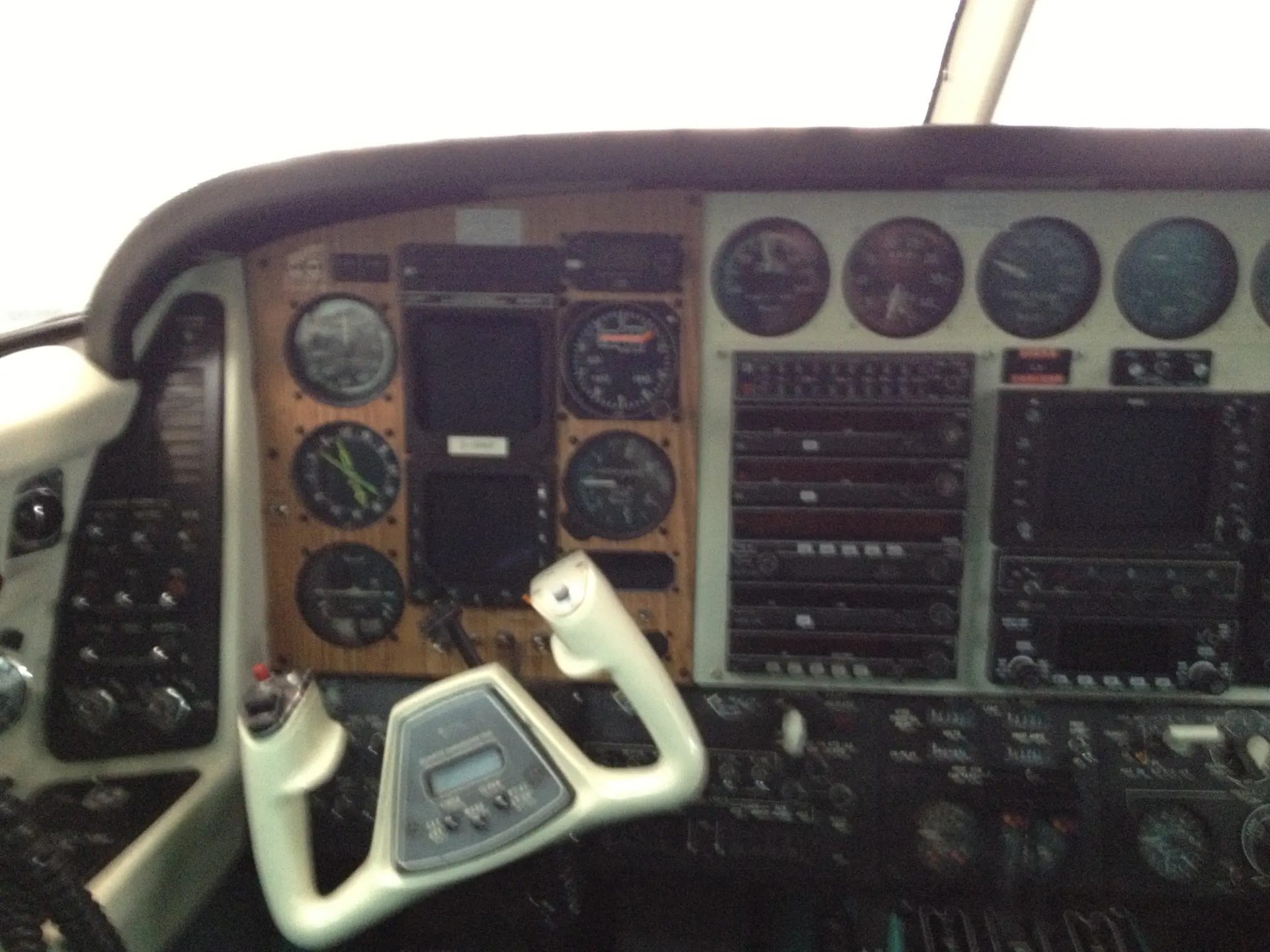
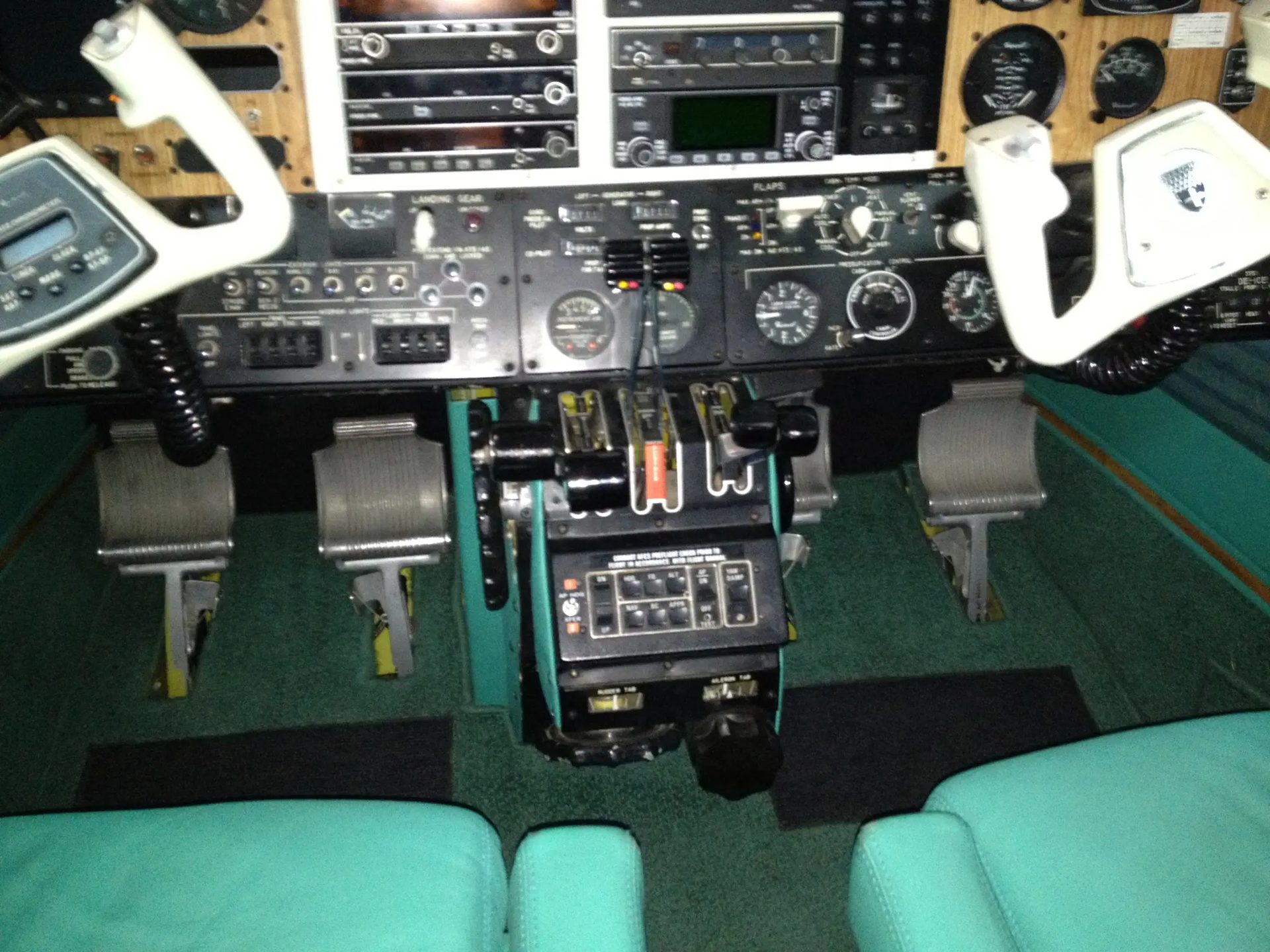
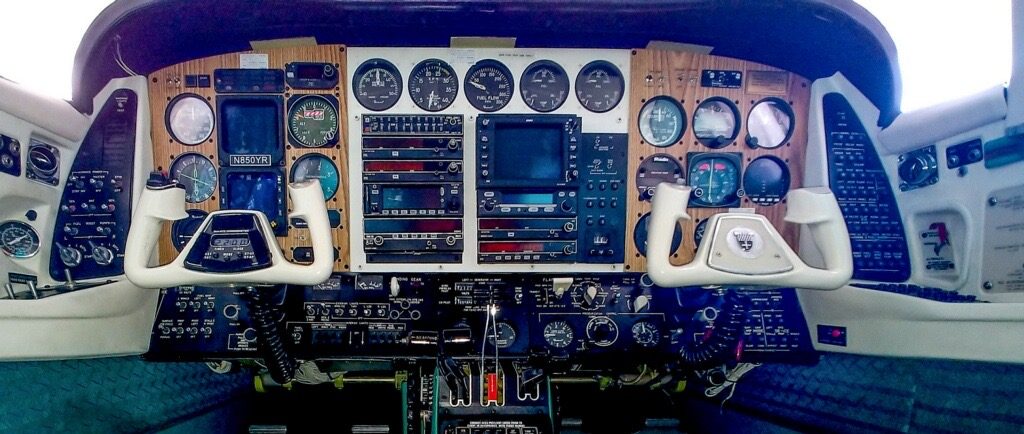
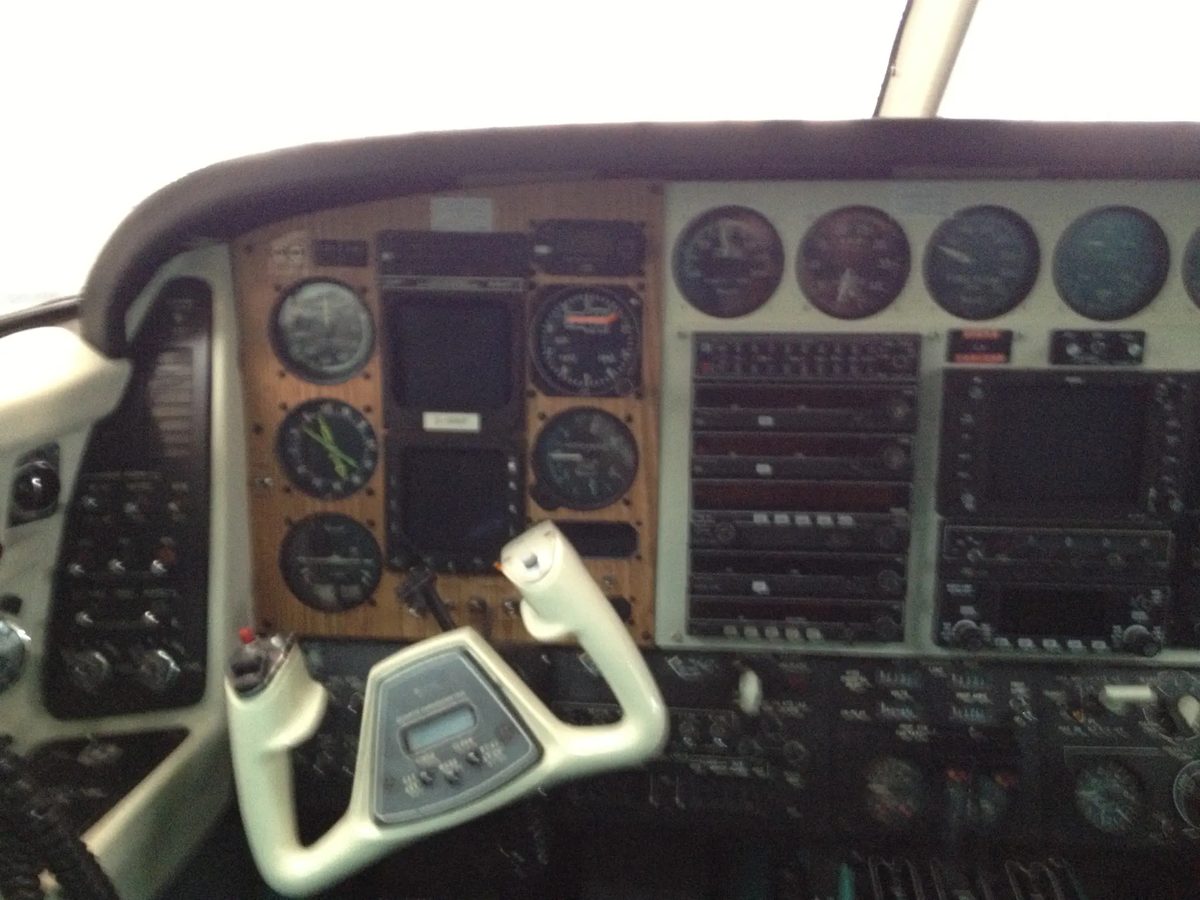 Before — Classic Steam Gauges
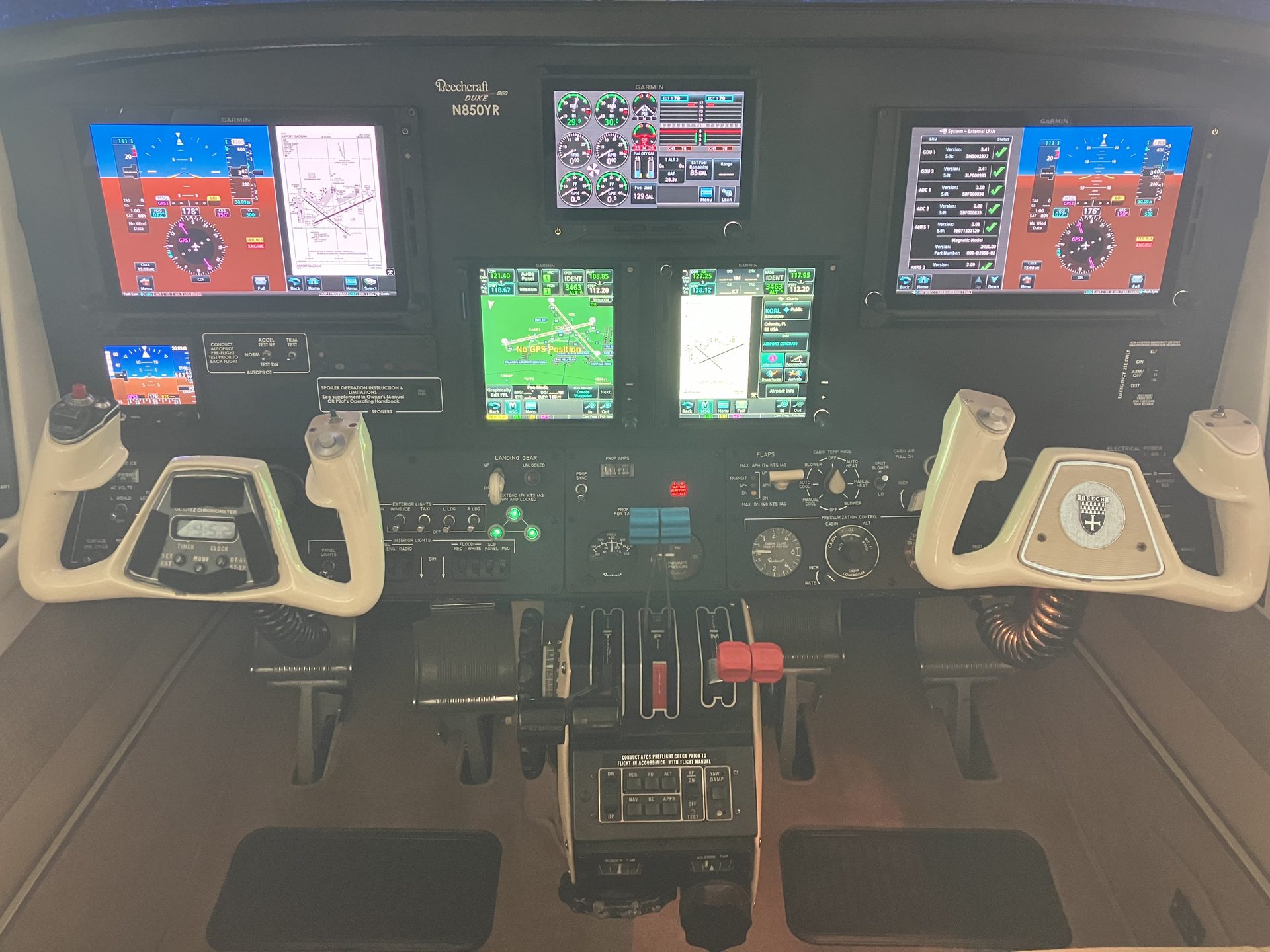
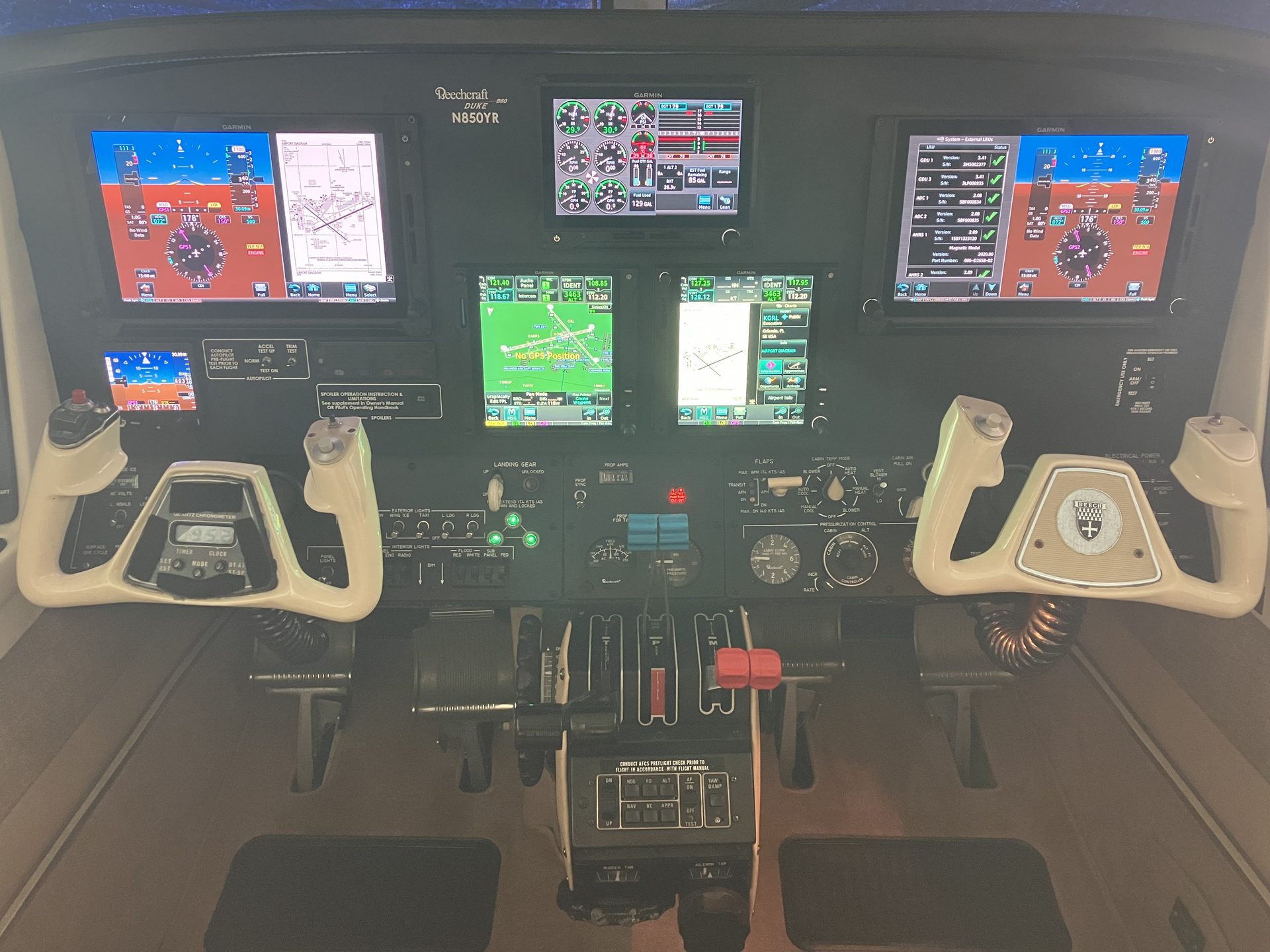
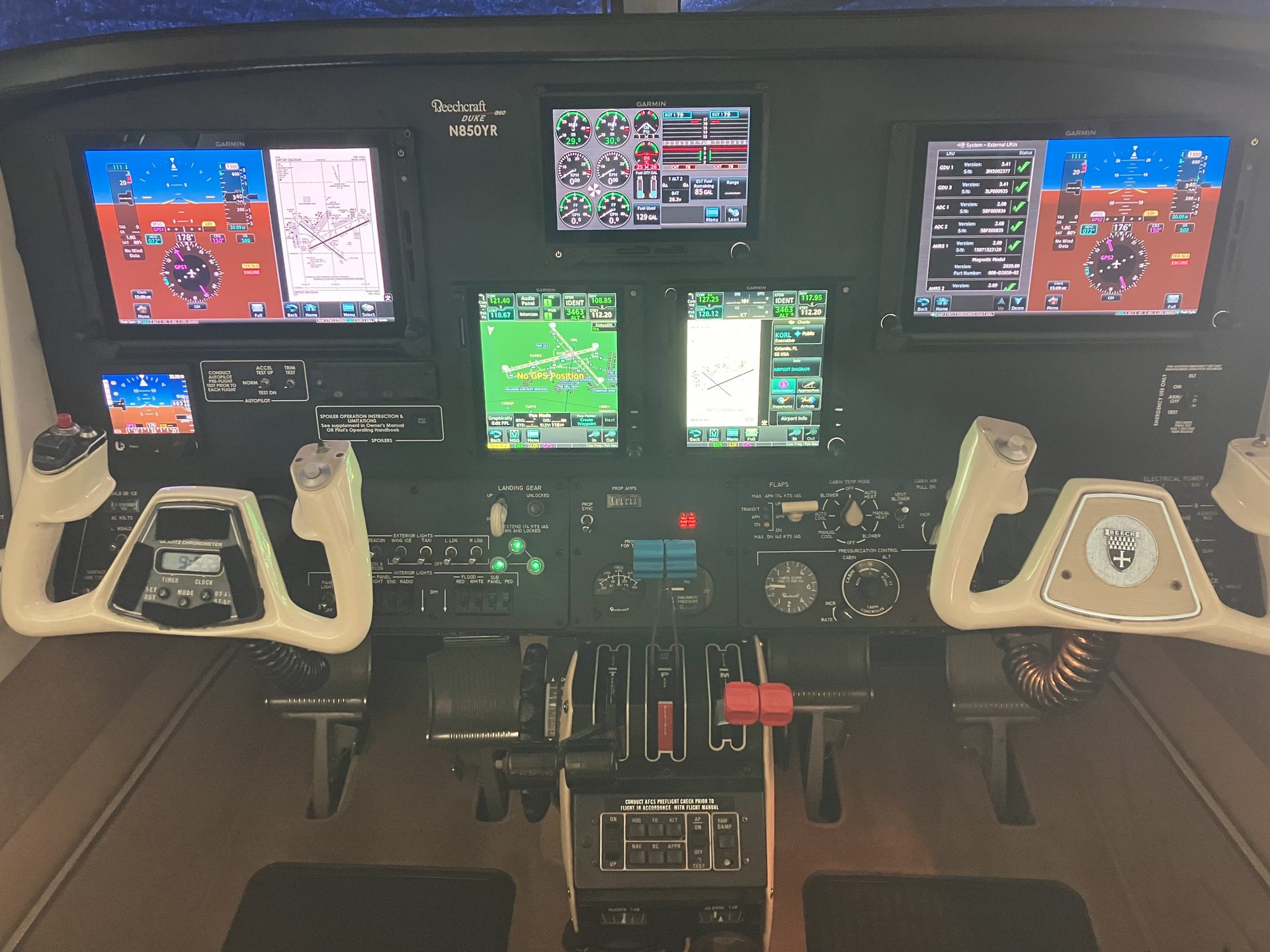
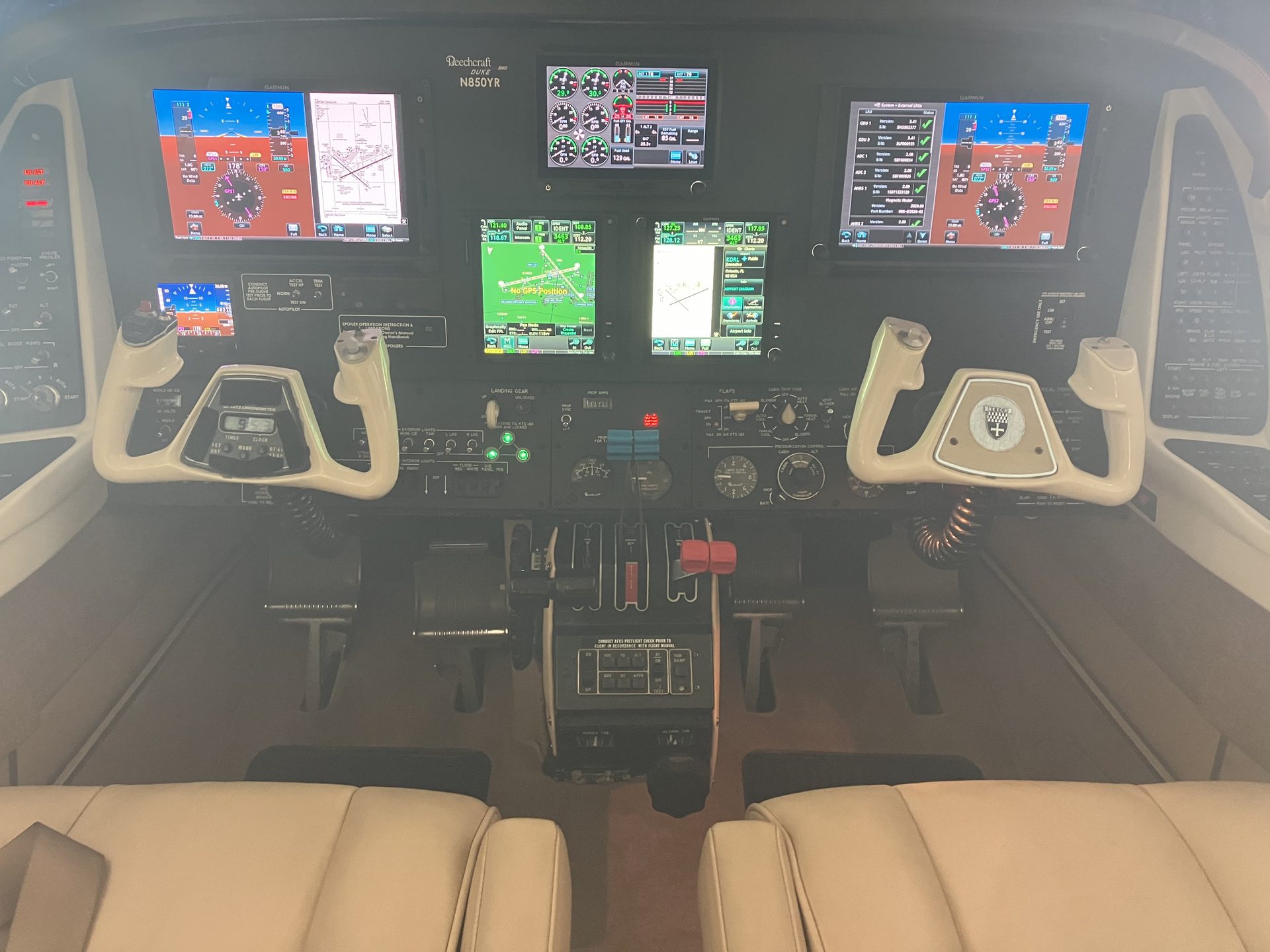
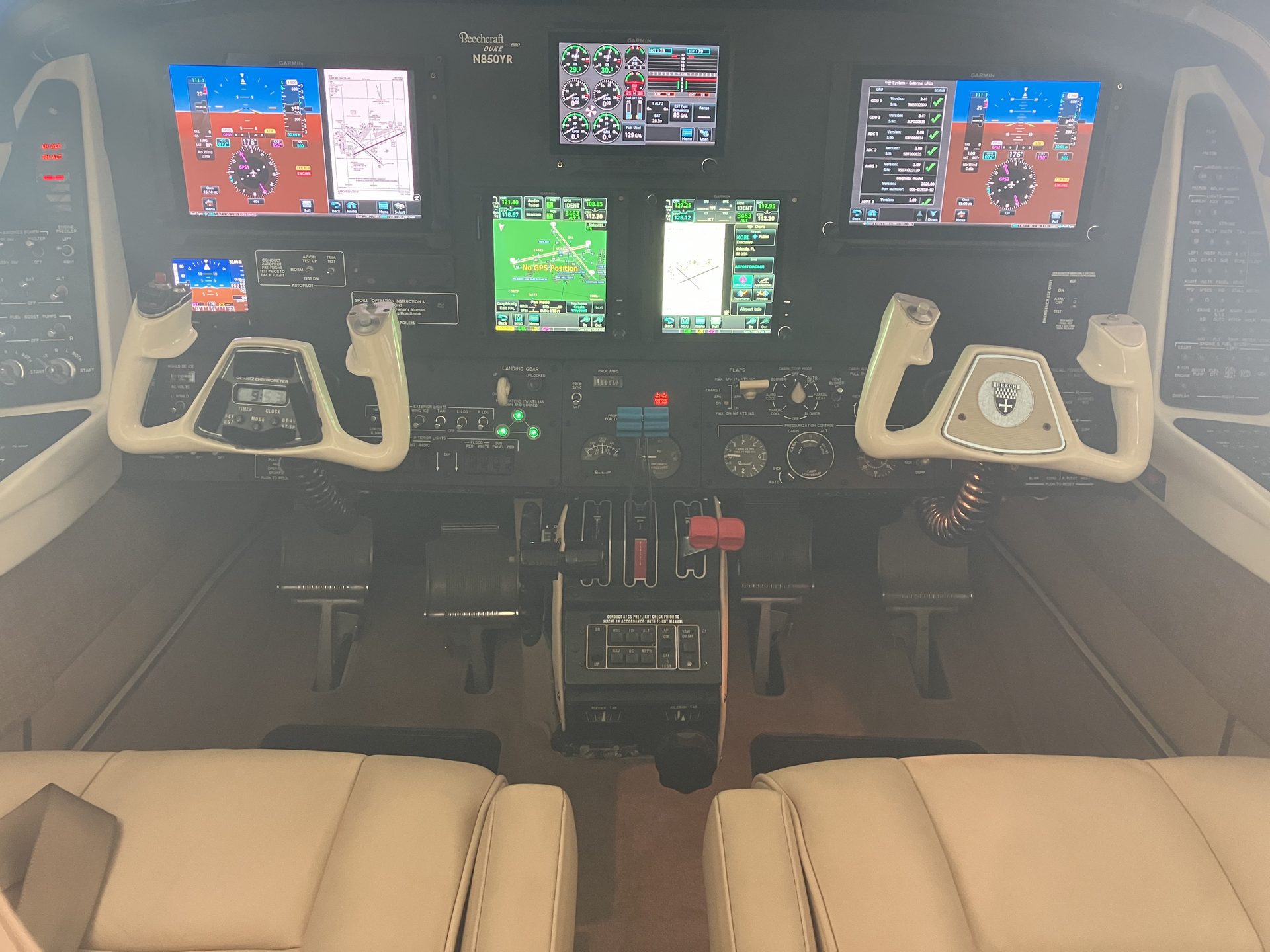
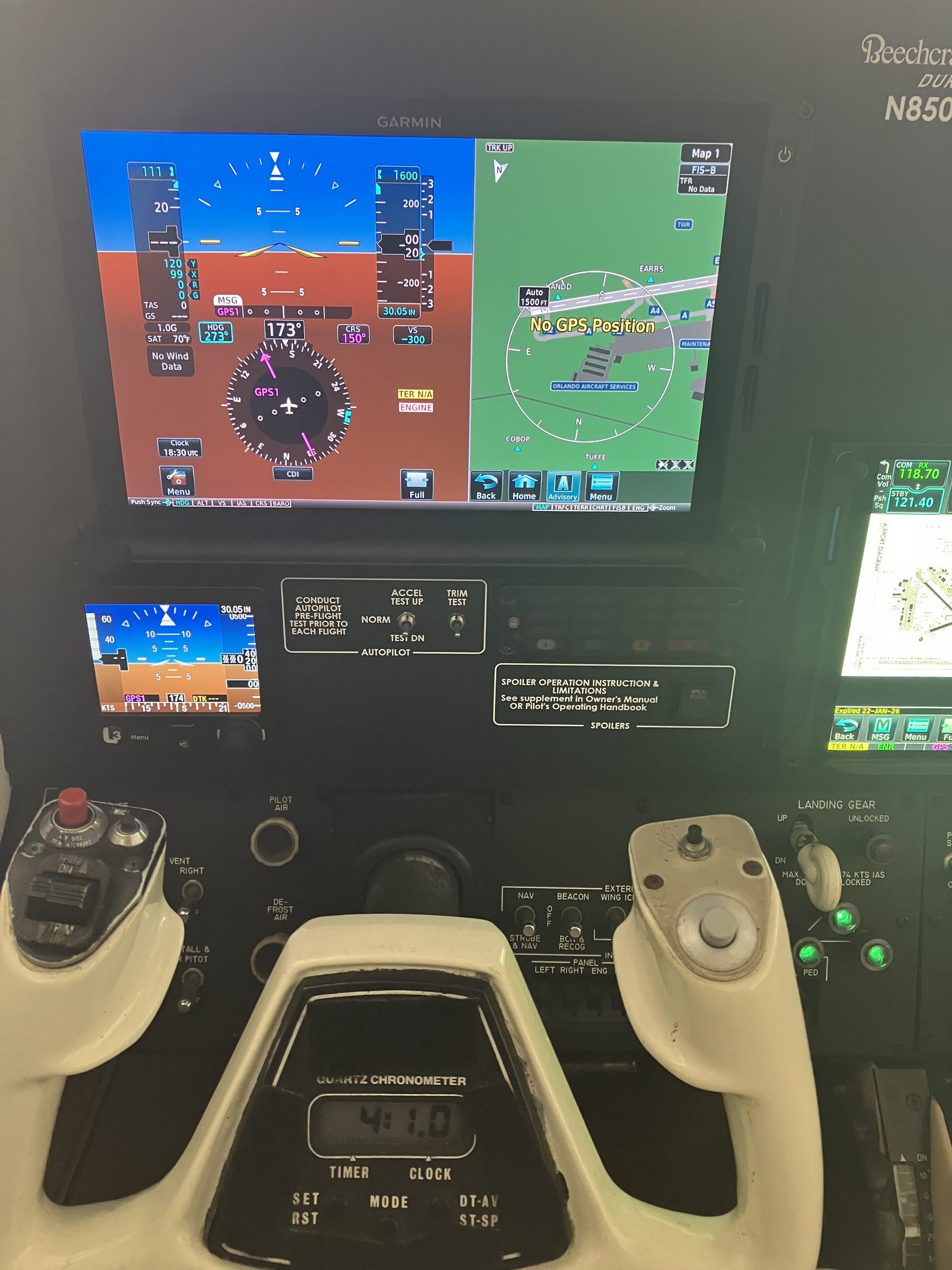
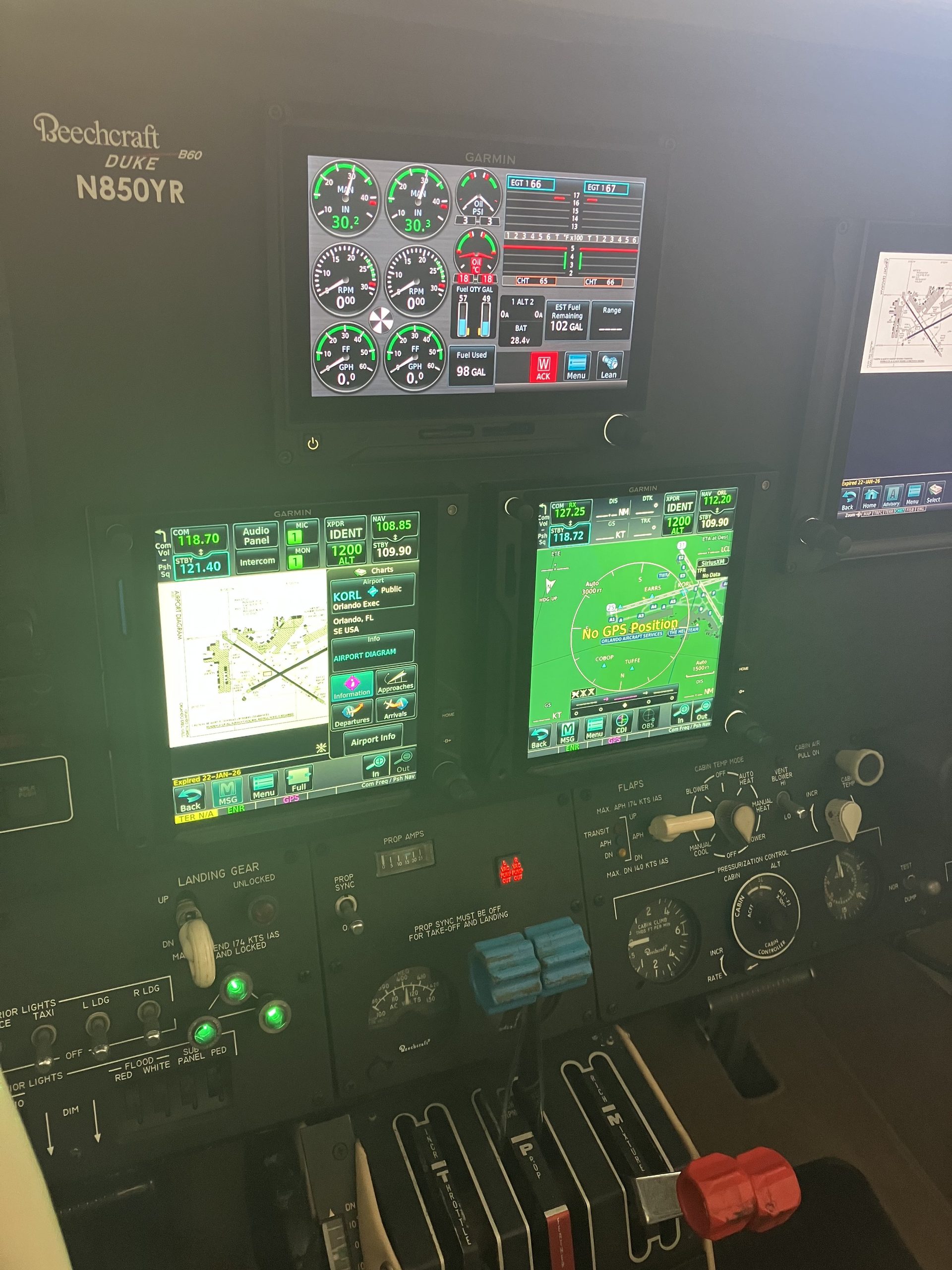
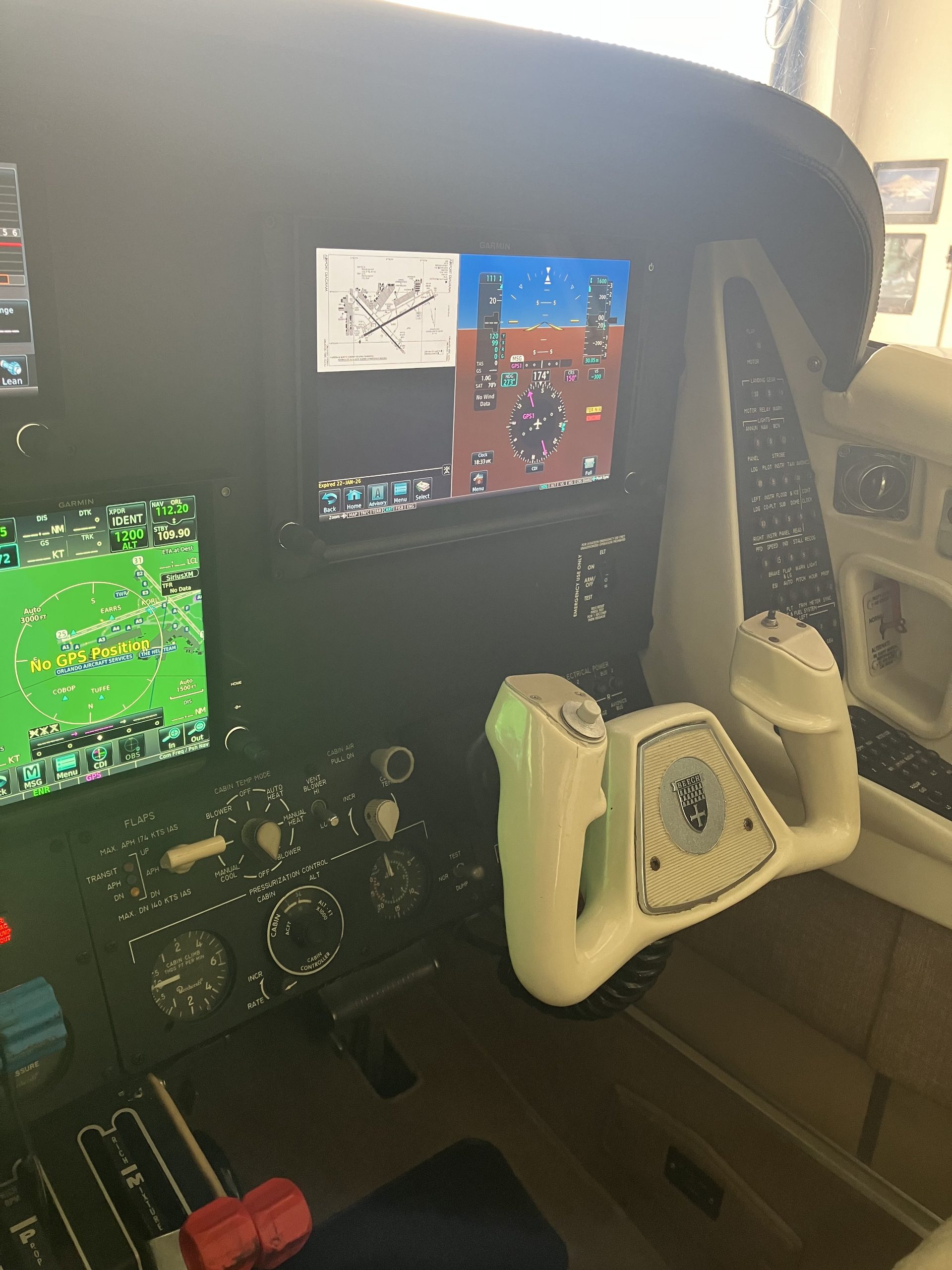
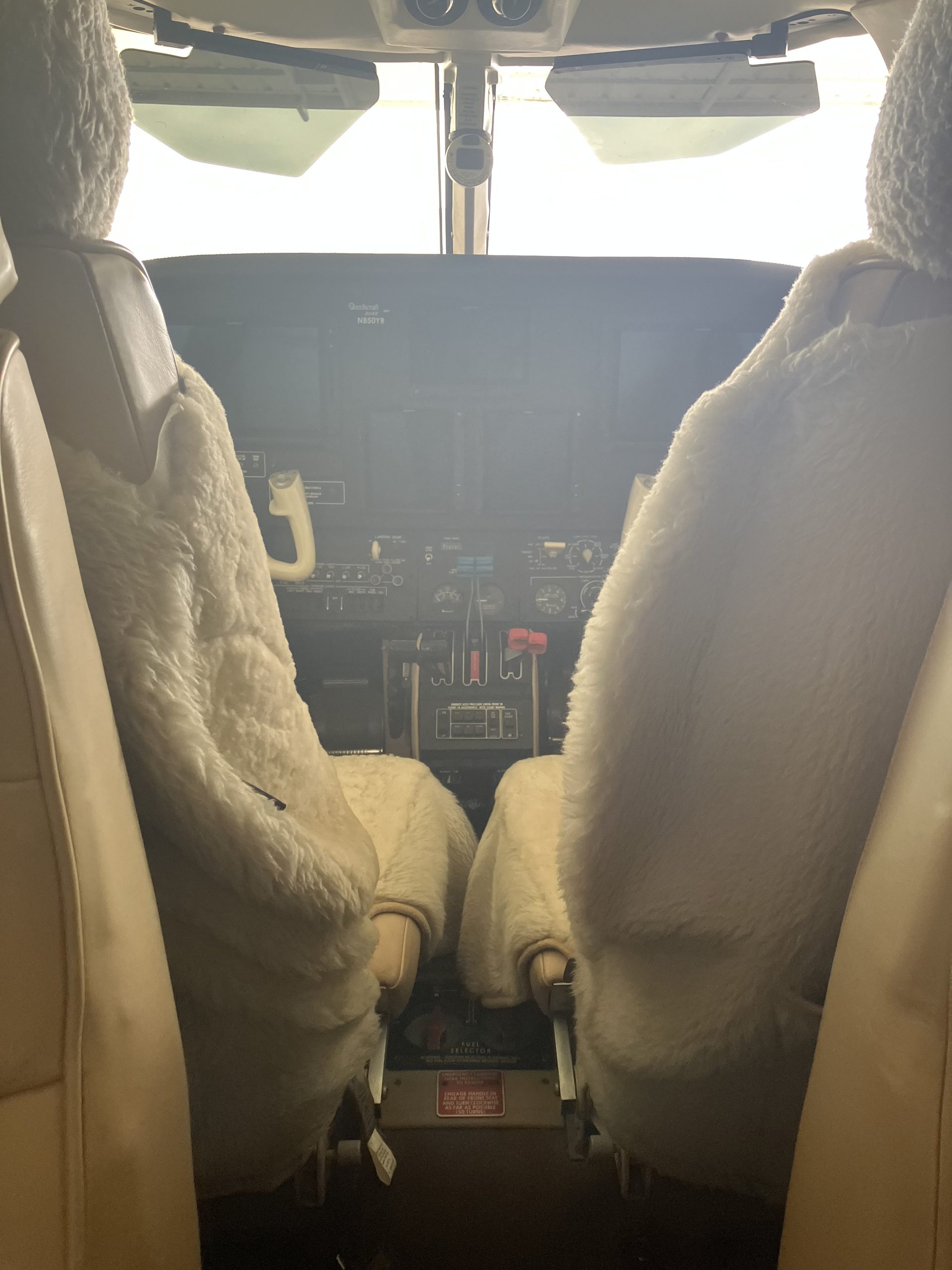
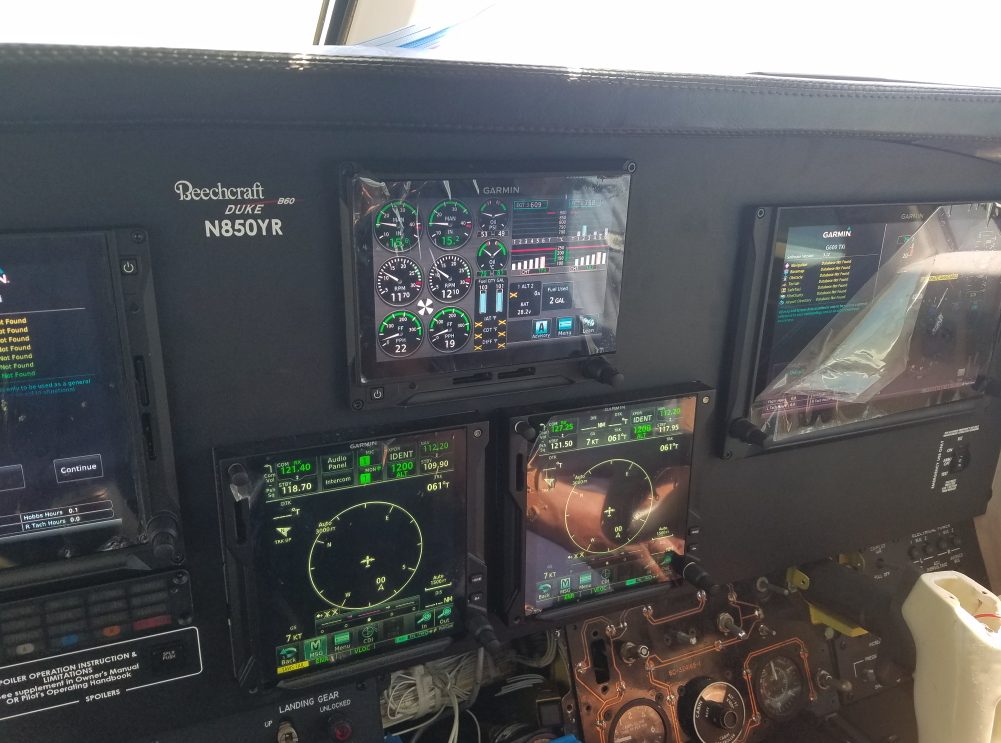 After — Full Garmin Glass
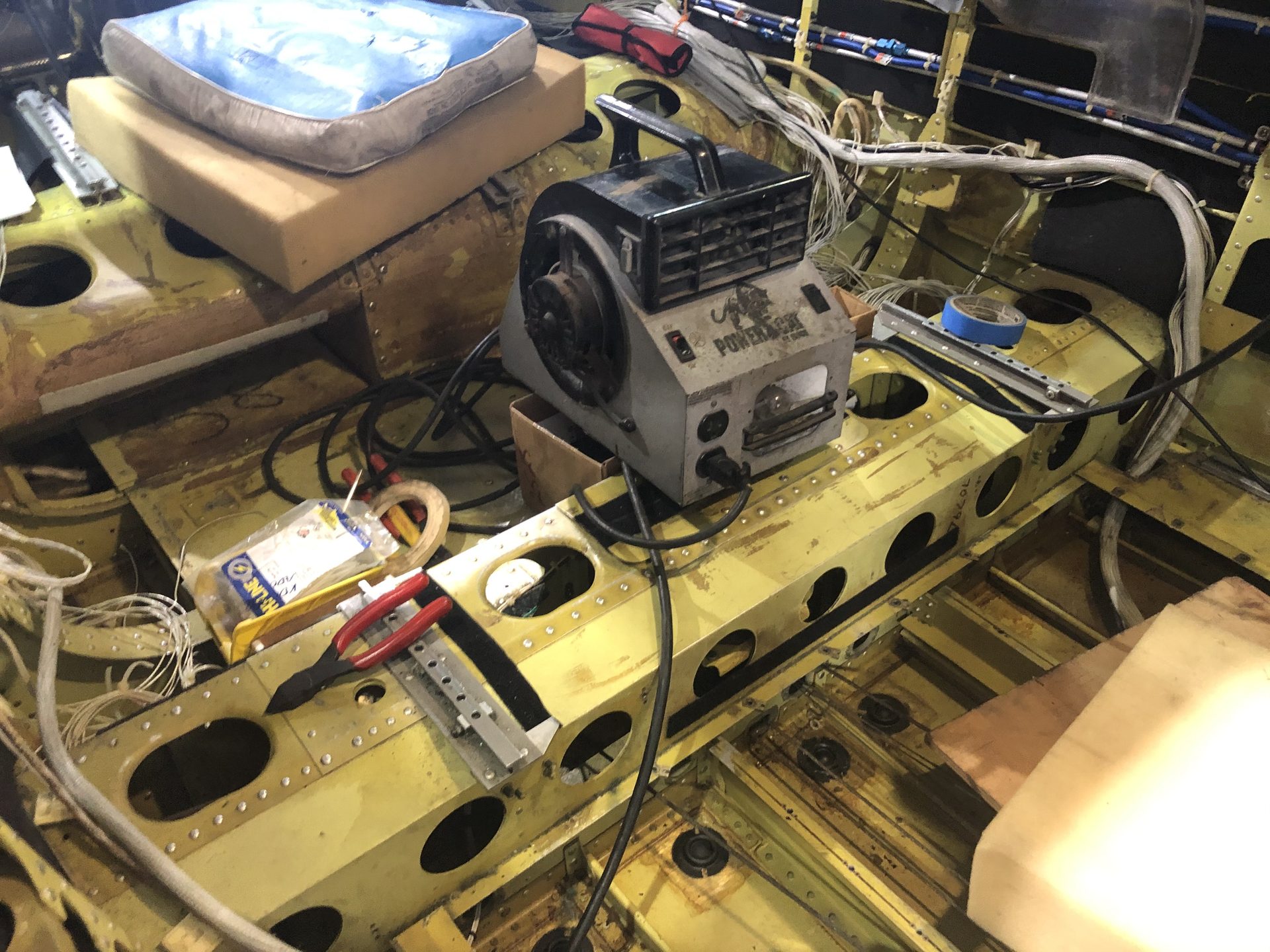
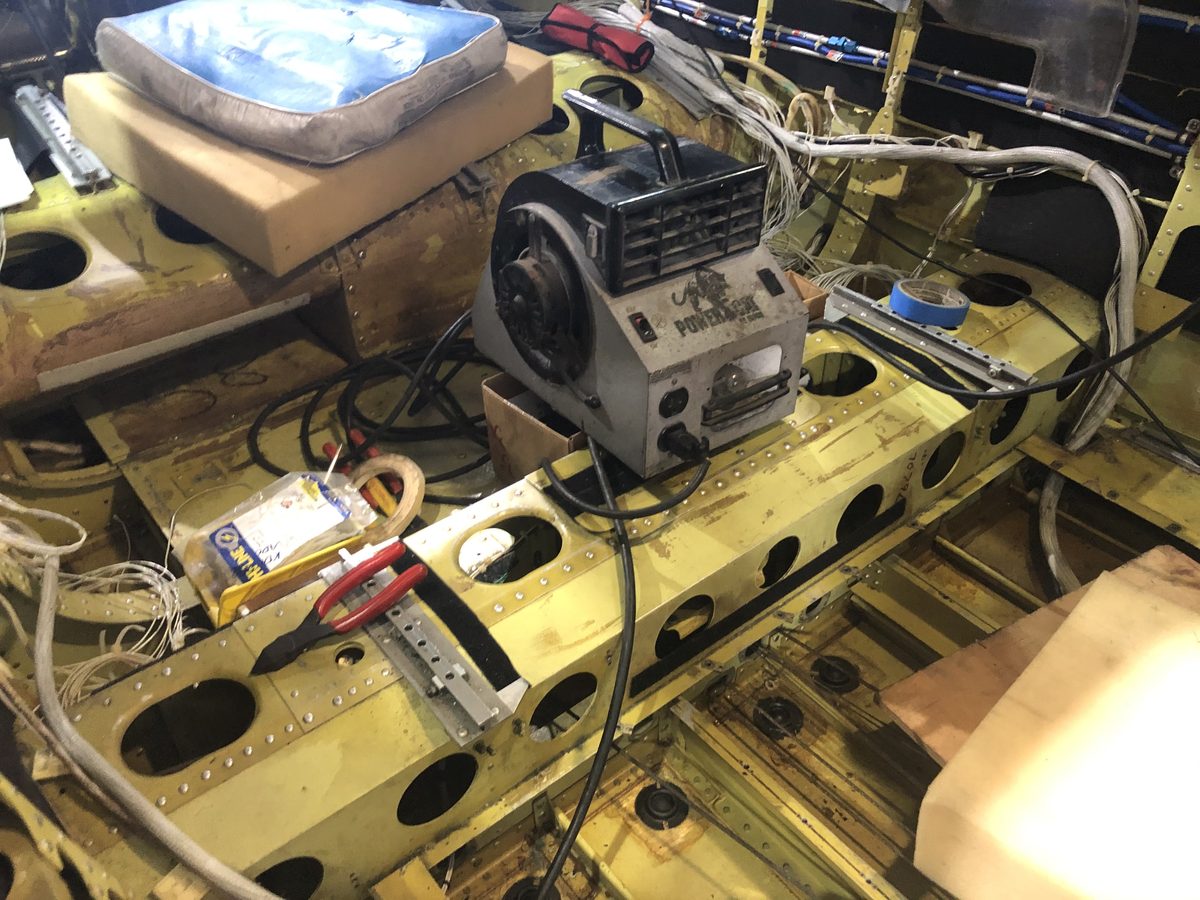 Stripped to the bare airframe — the zinc chromate skeleton awaiting its transformation.
The BLR Aerospace Grand Duke conversion transformed the flight envelope. Vortex generators, dual aft body strakes, and winglets combined to increase the maximum operating weight to 7,039 pounds — adding 190 pounds of useful load and 350 feet per minute of climb rate while dramatically reducing approach speeds.
PowerPac spoilers from Spoilers Inc. added precision speed and descent control — capabilities the original Duke never had.
Every analog instrument was removed. In their place: dual Garmin G600 TXi 10.6-inch electronic flight displays, Garmin TXi EIS engine monitoring, dual GTN 750Xi GPS/Nav/Comm navigators, Garmin GWX 75 Doppler weather radar with XM Weather, and an L3 standby instrument. The cockpit went from 1982 to 2021 in a single transformation.
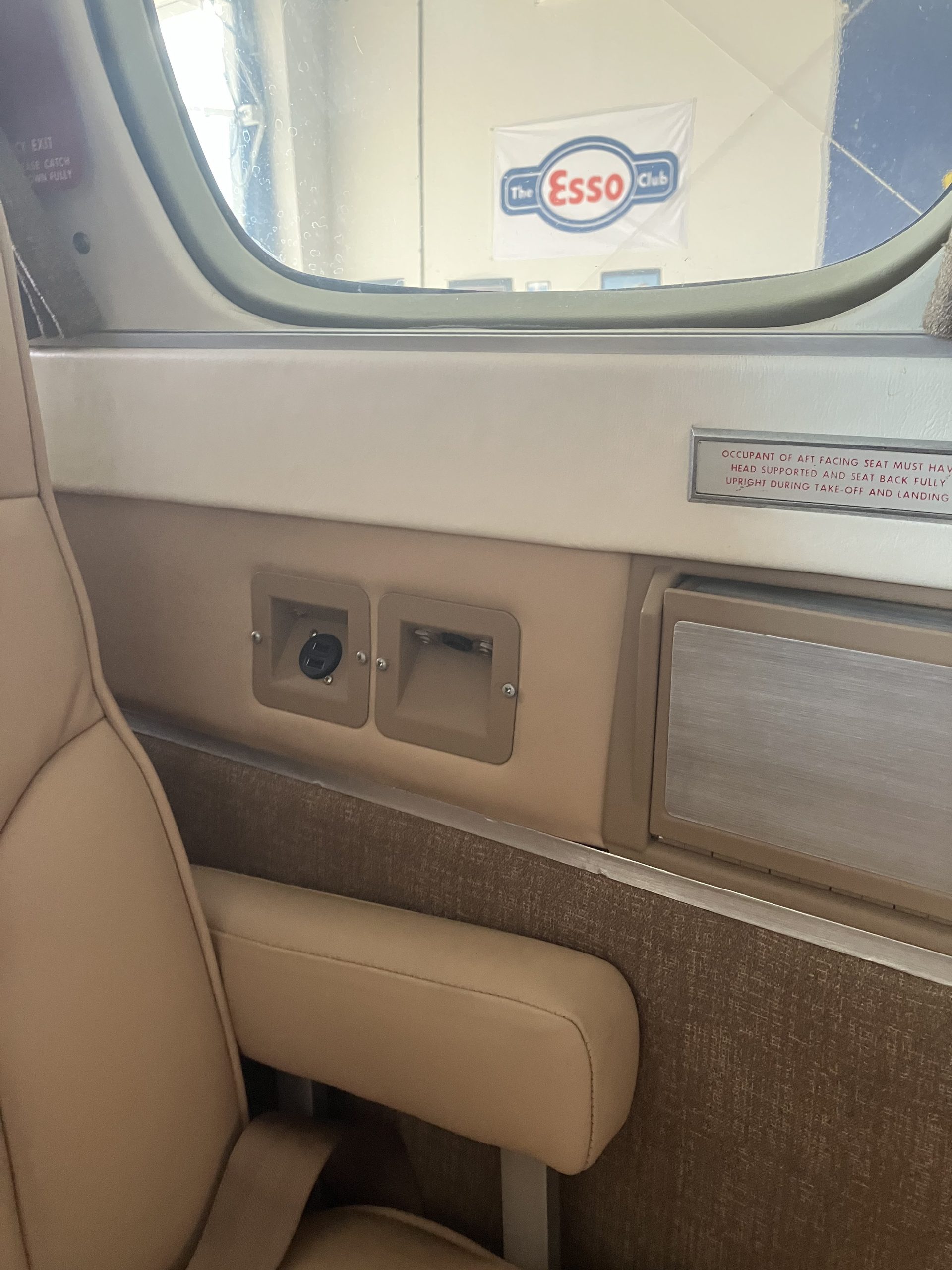
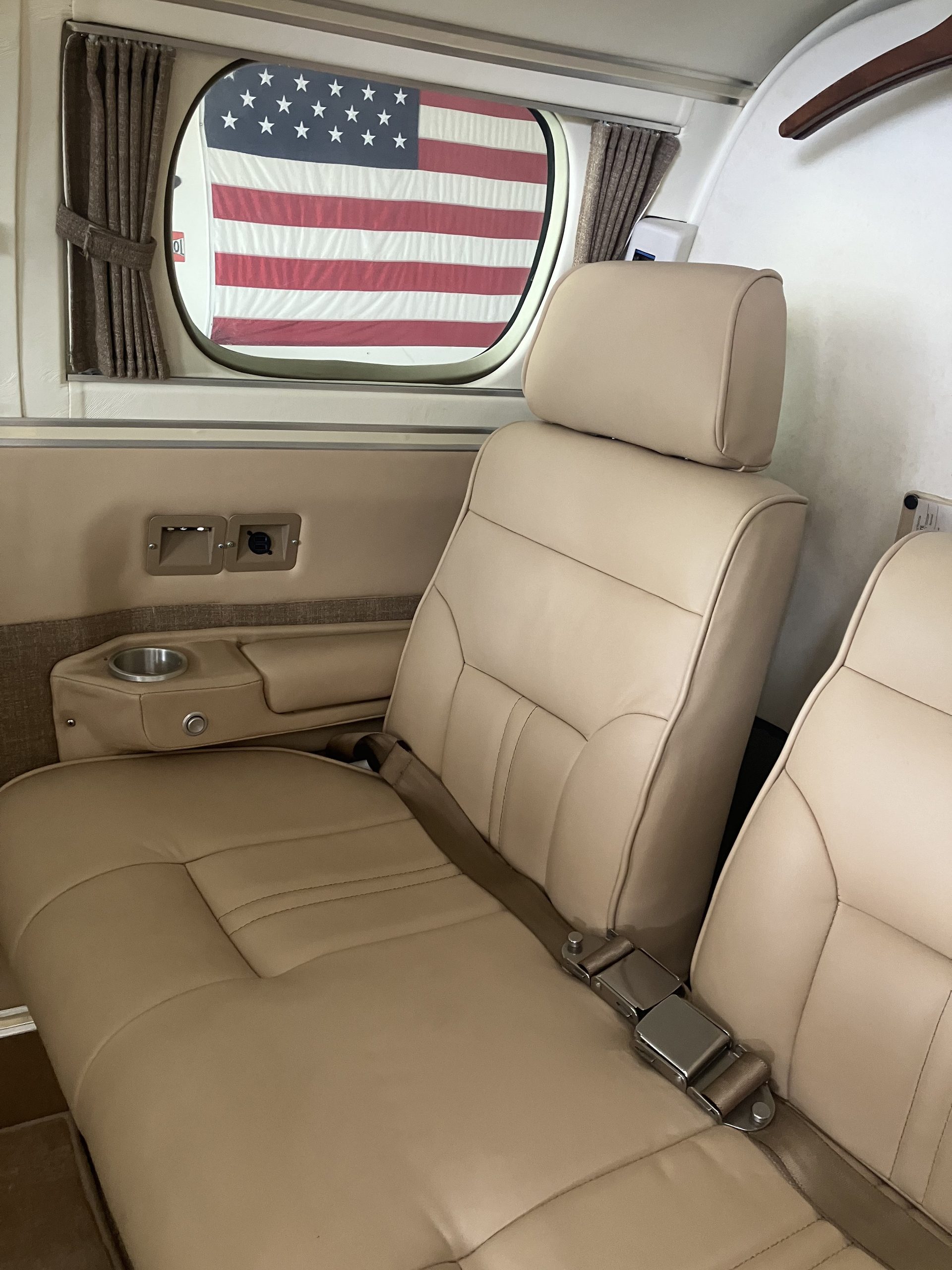
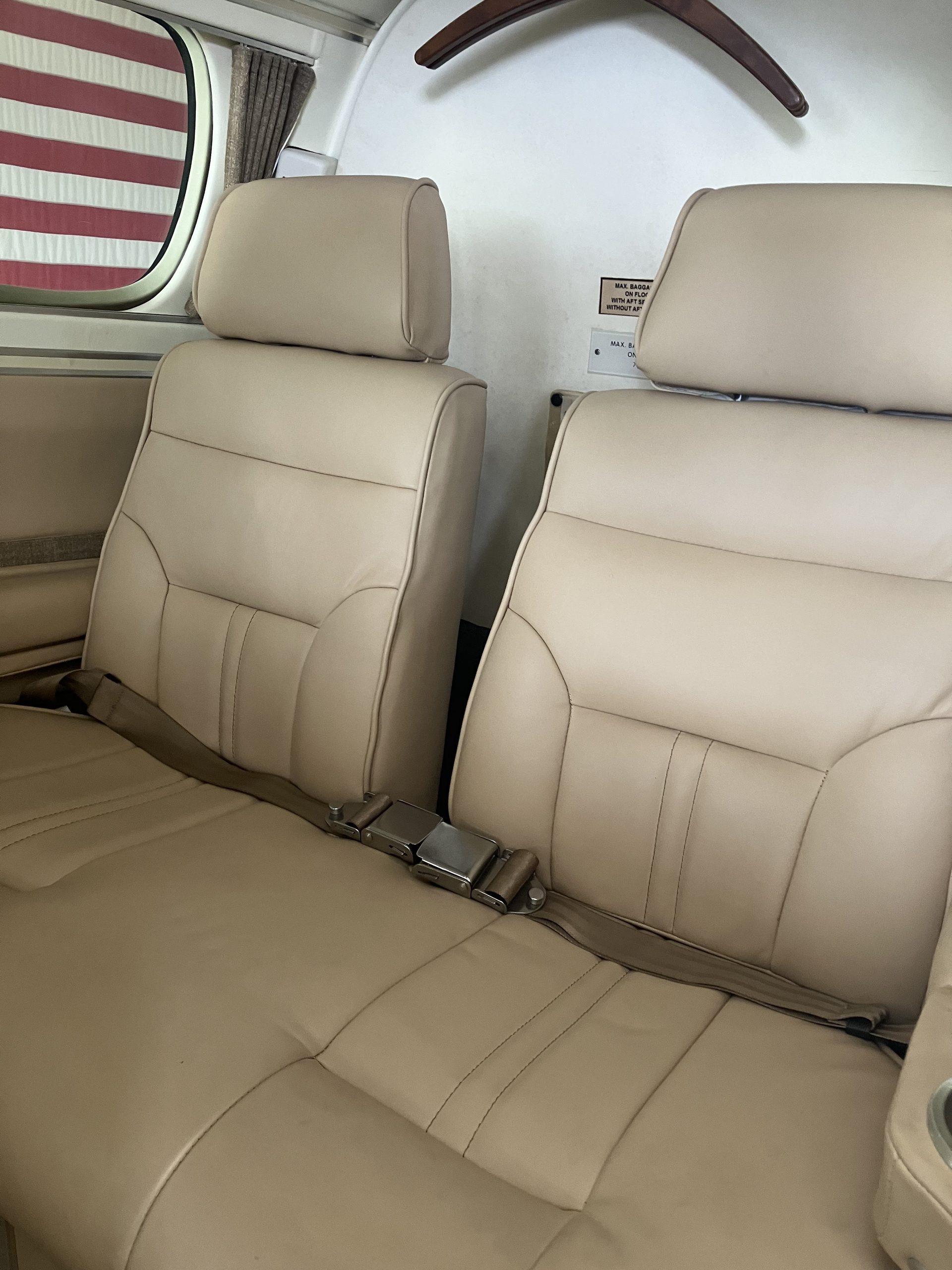
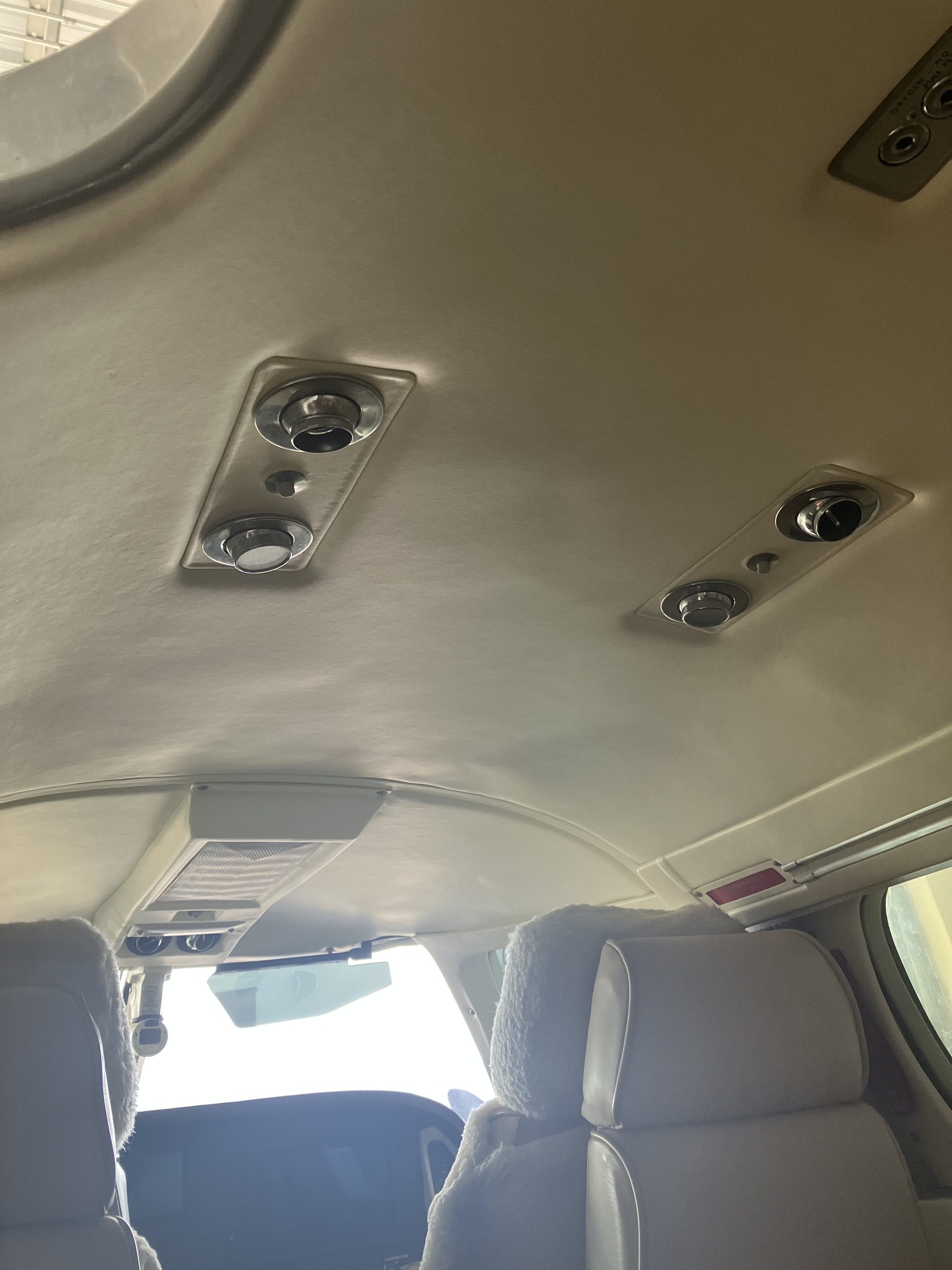
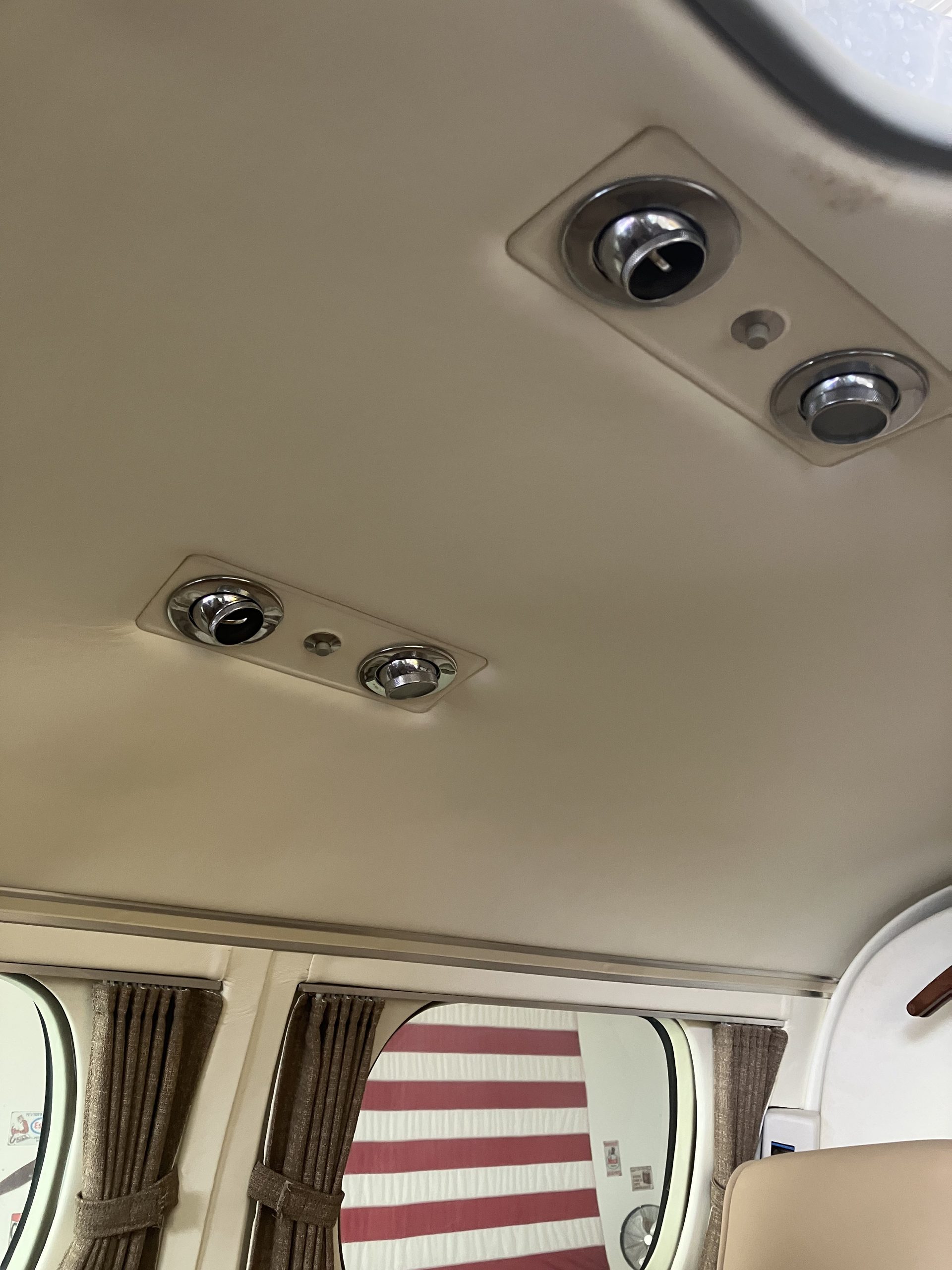
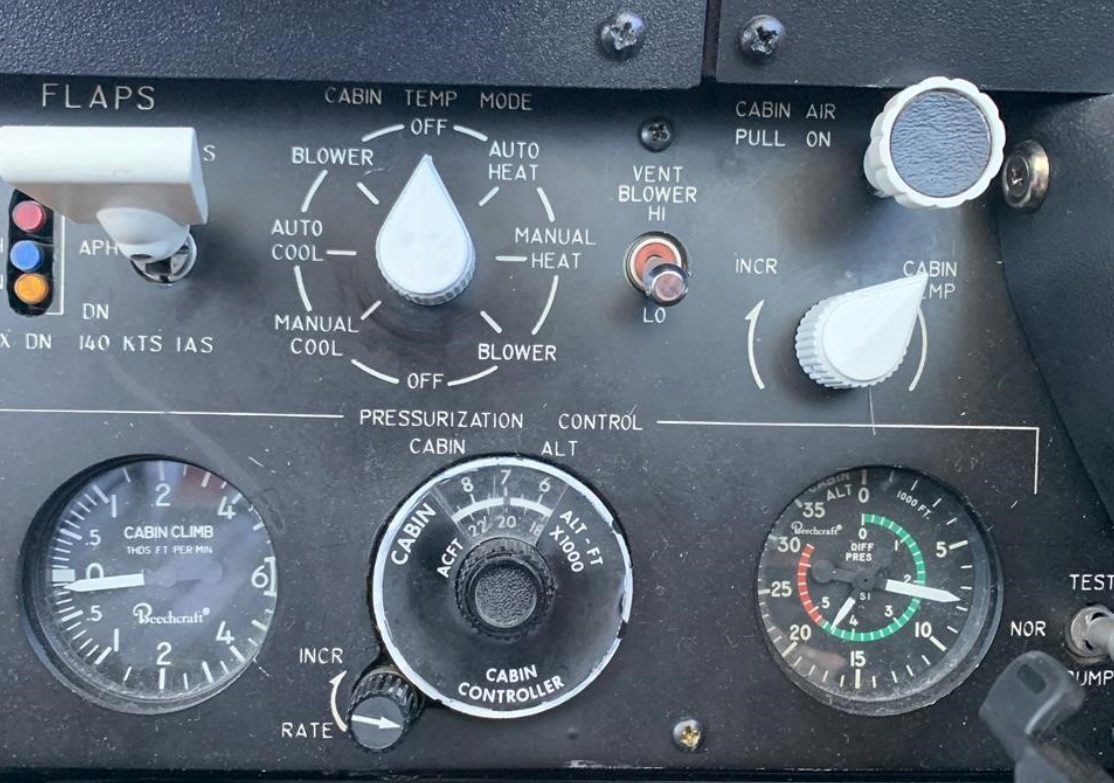
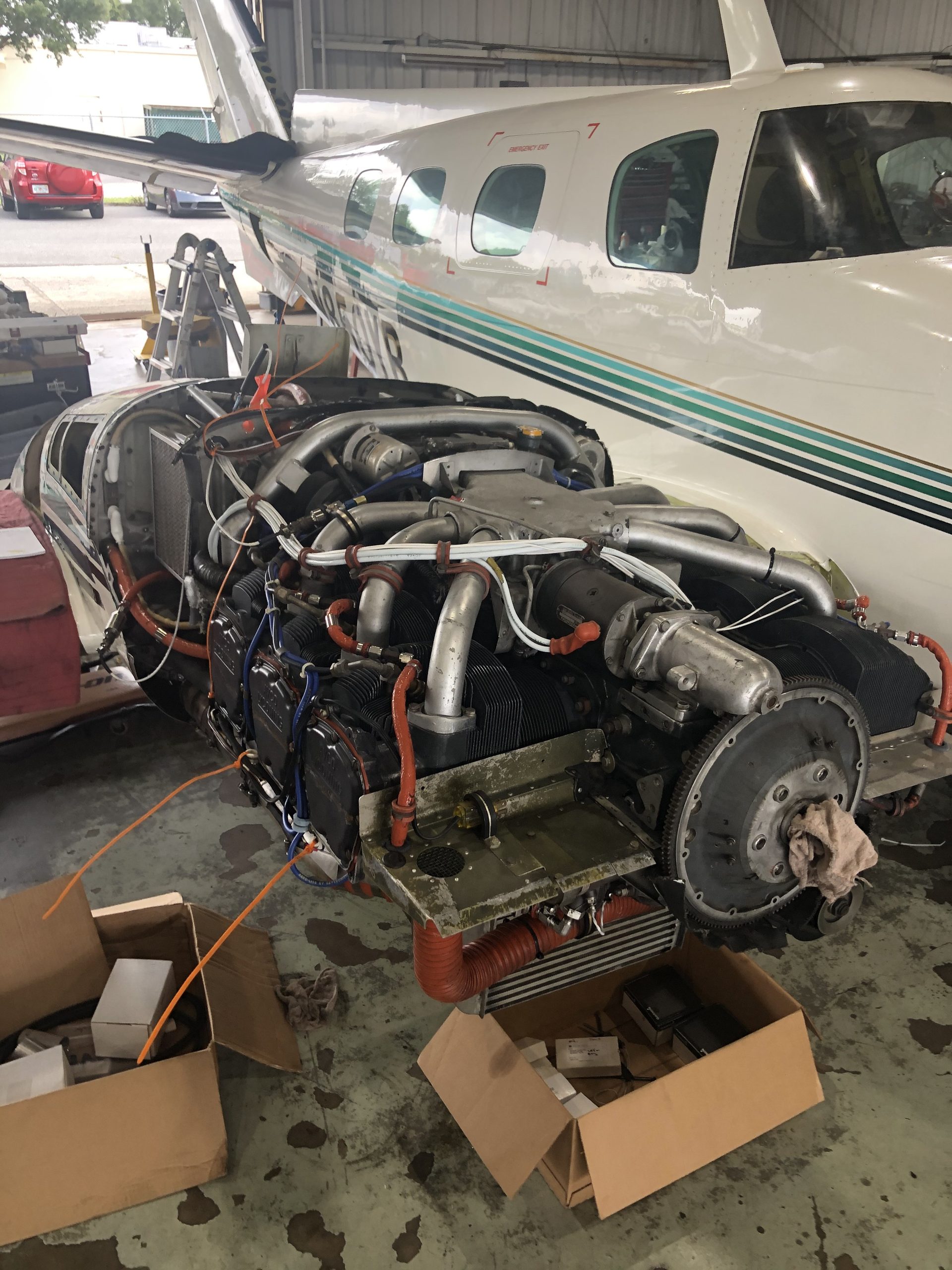
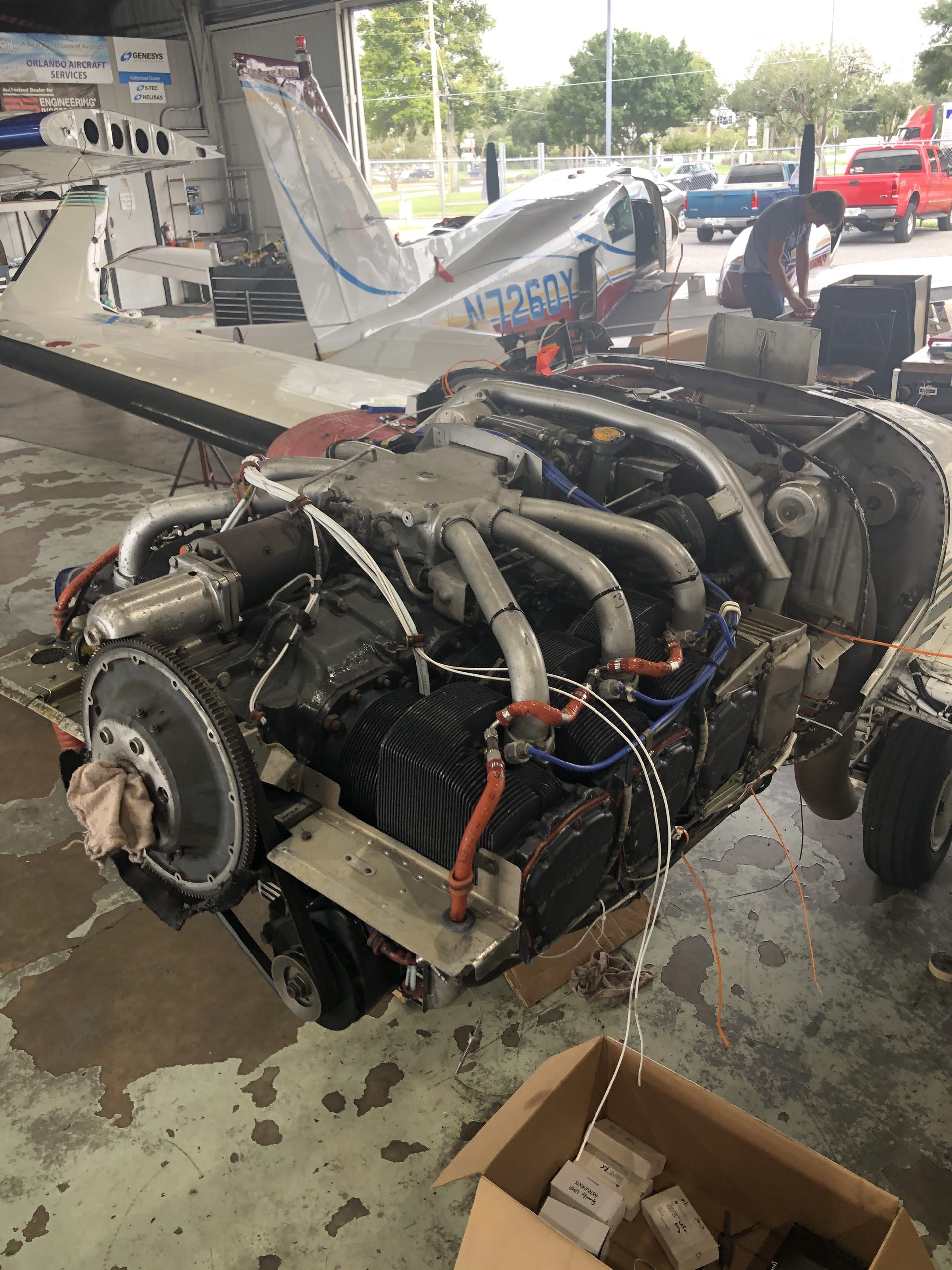
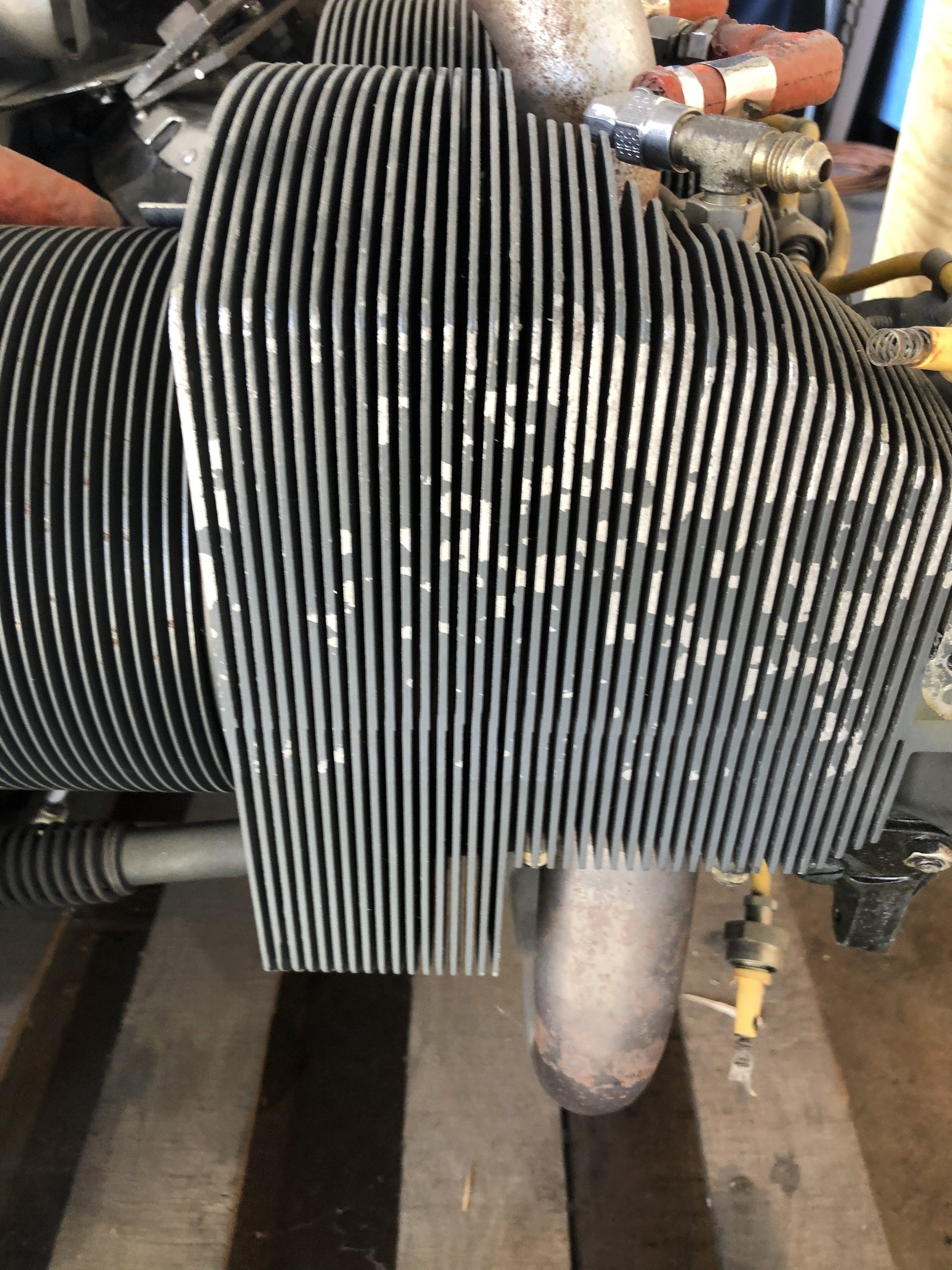
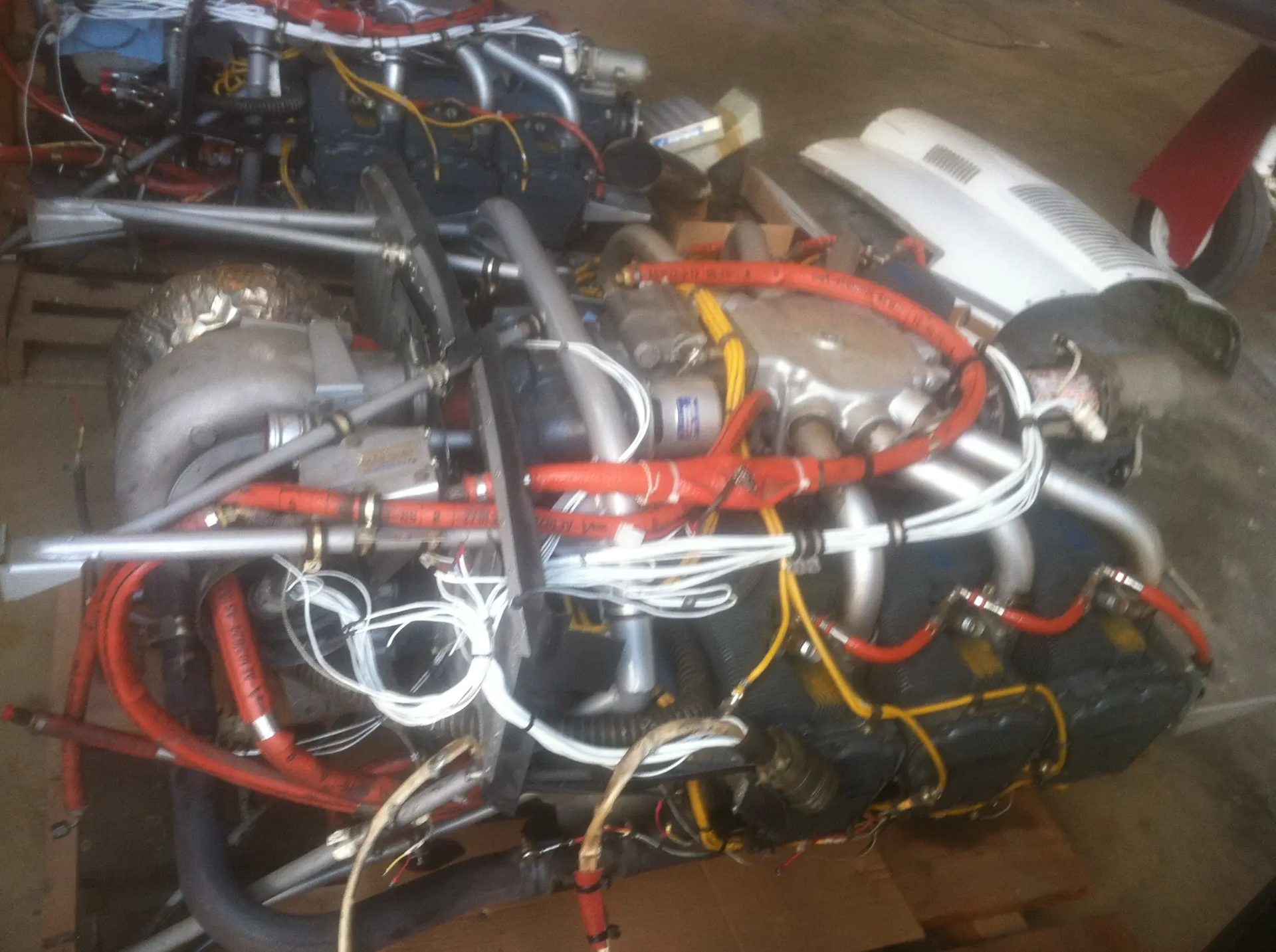
Generators gave way to modern alternators. New SkyTec high-torque starters replaced the originals. A brand new air conditioning system and pressurization system ensure cabin comfort at any altitude. The interior was completely reupholstered in premium leather.
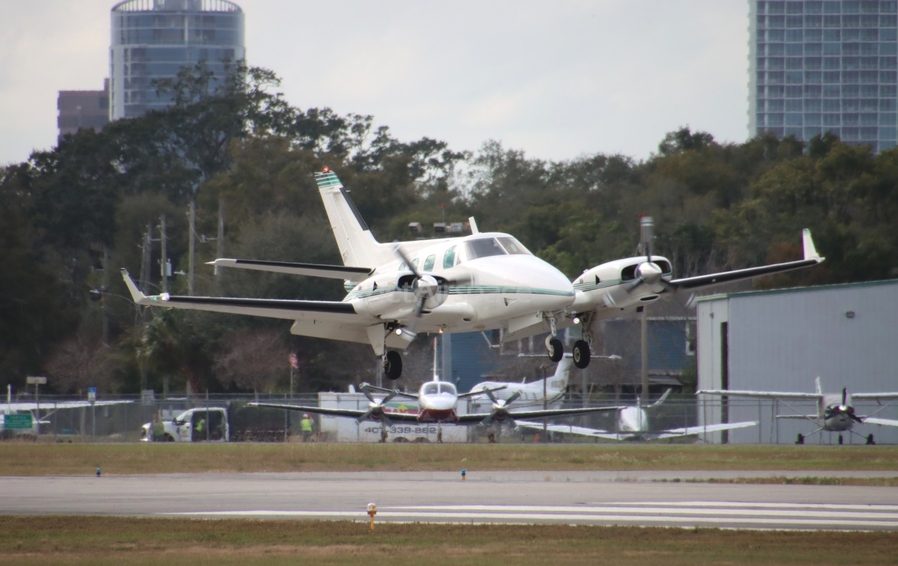
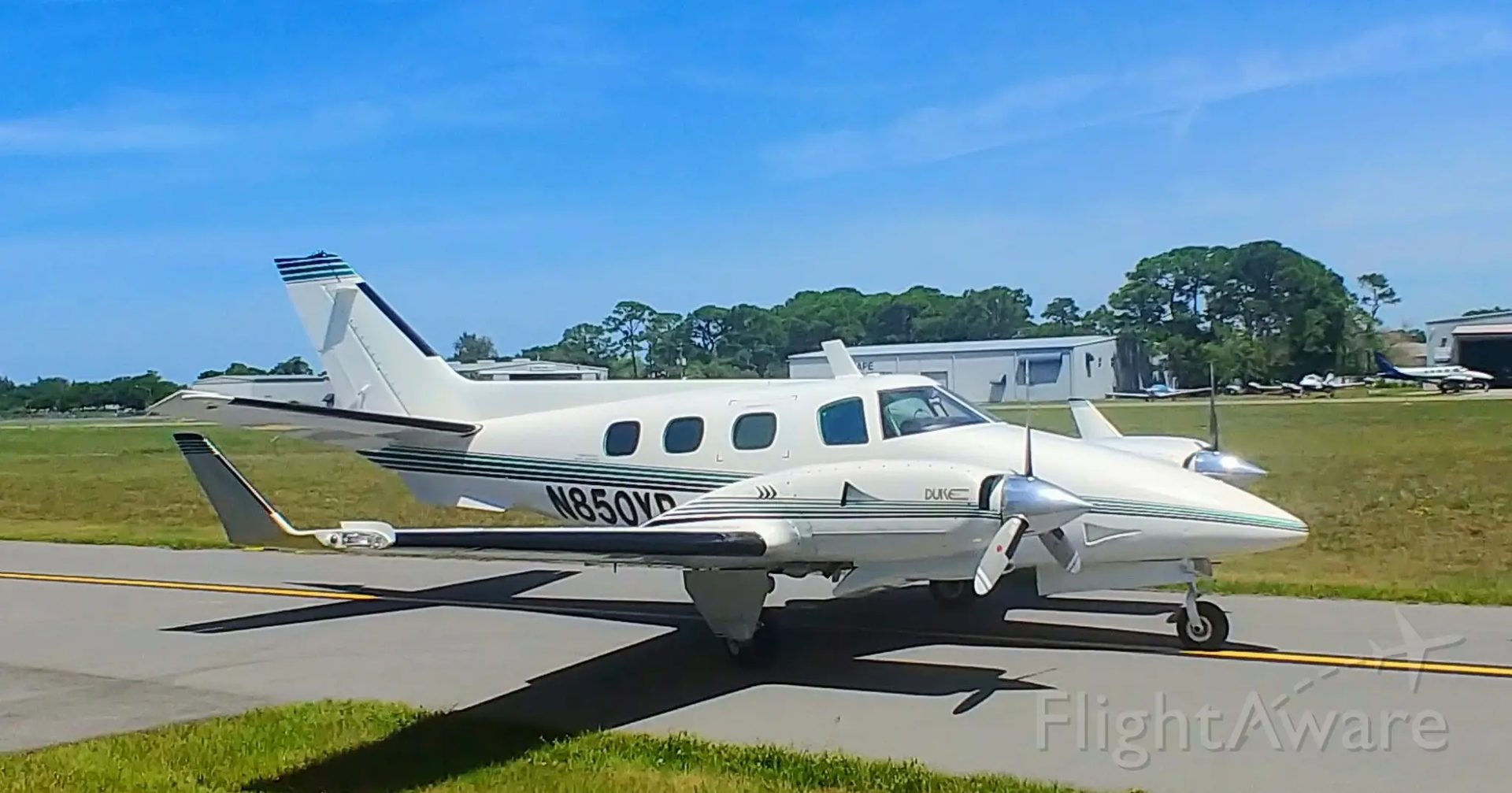
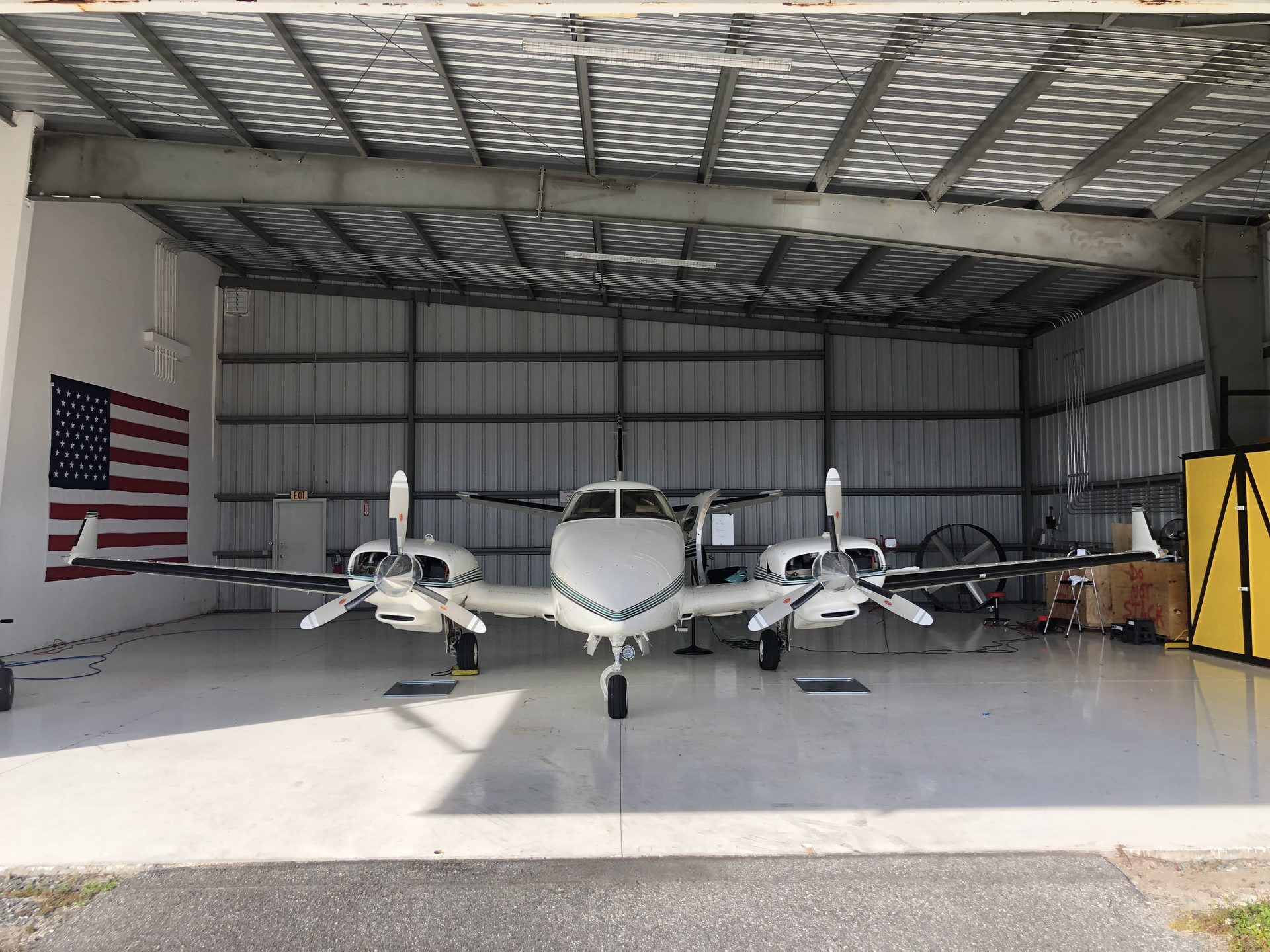
N850YR on approach at Orlando Executive — the Grand Duke transformation complete, performing as Beechcraft always intended.
A Portrait of Excellence
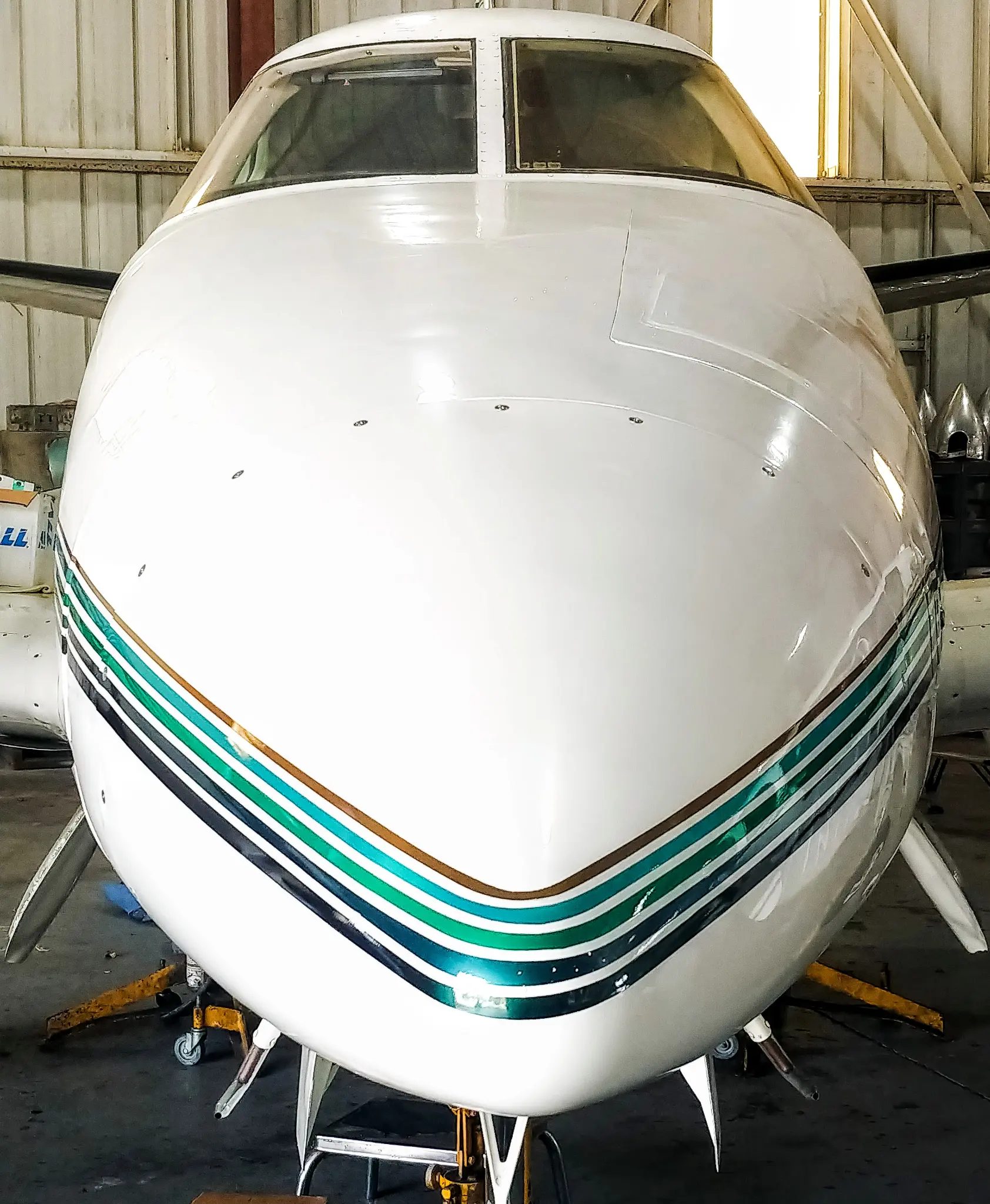
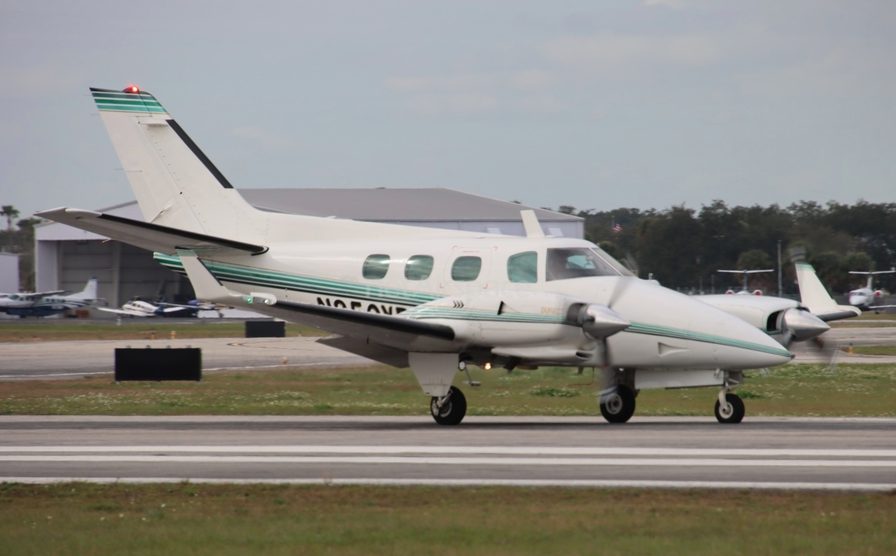
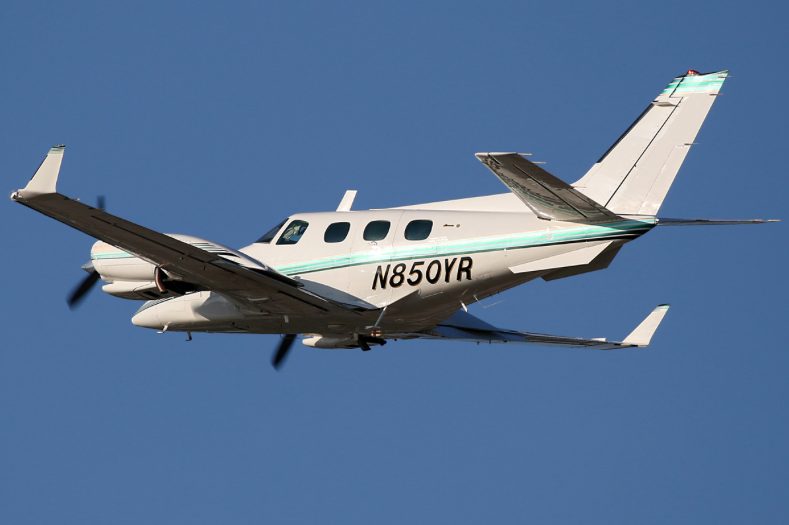
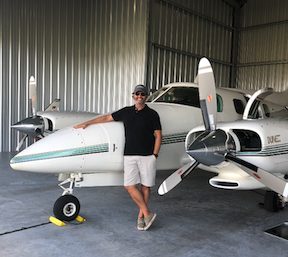
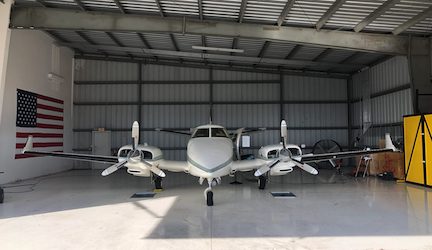
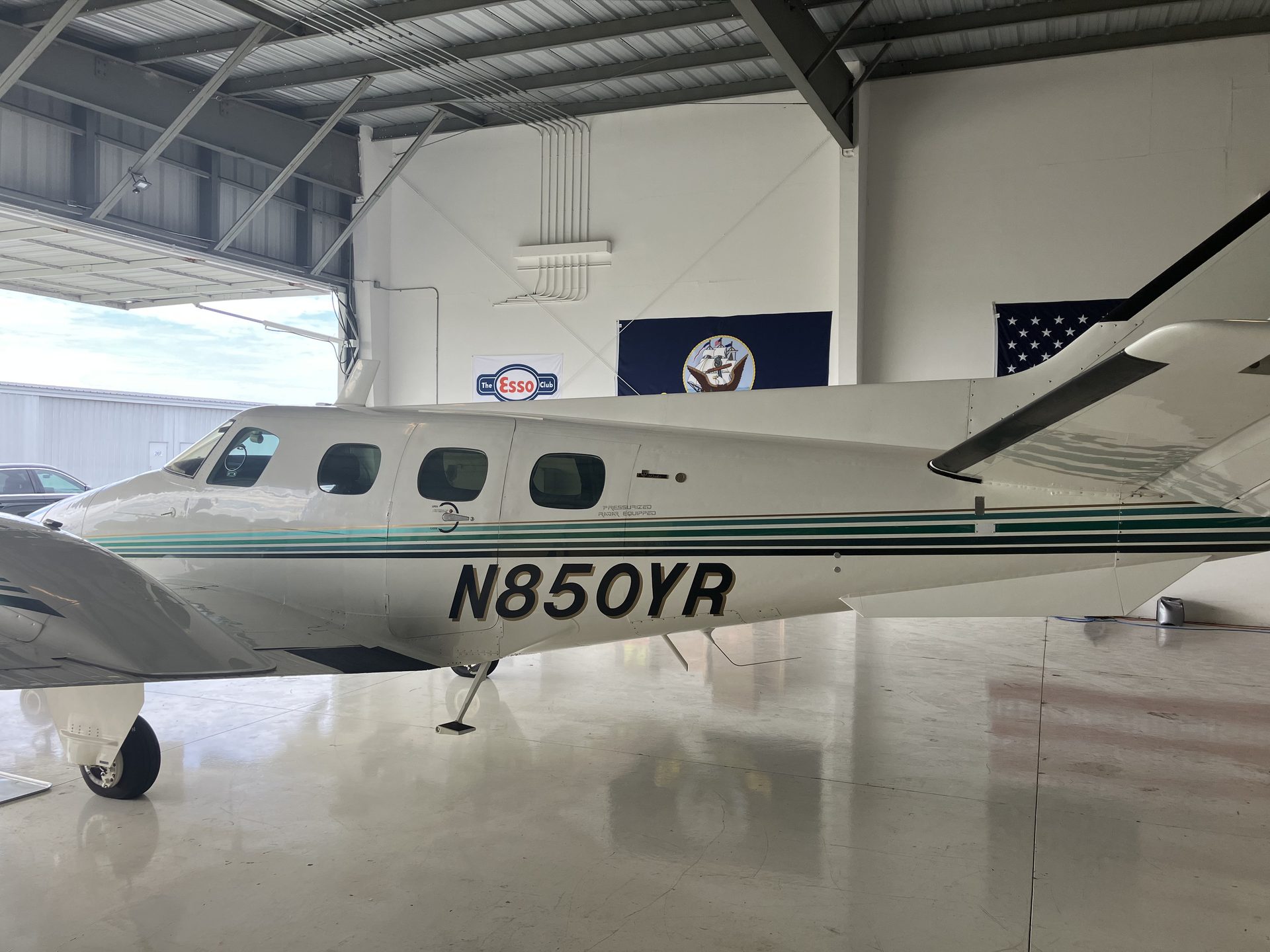
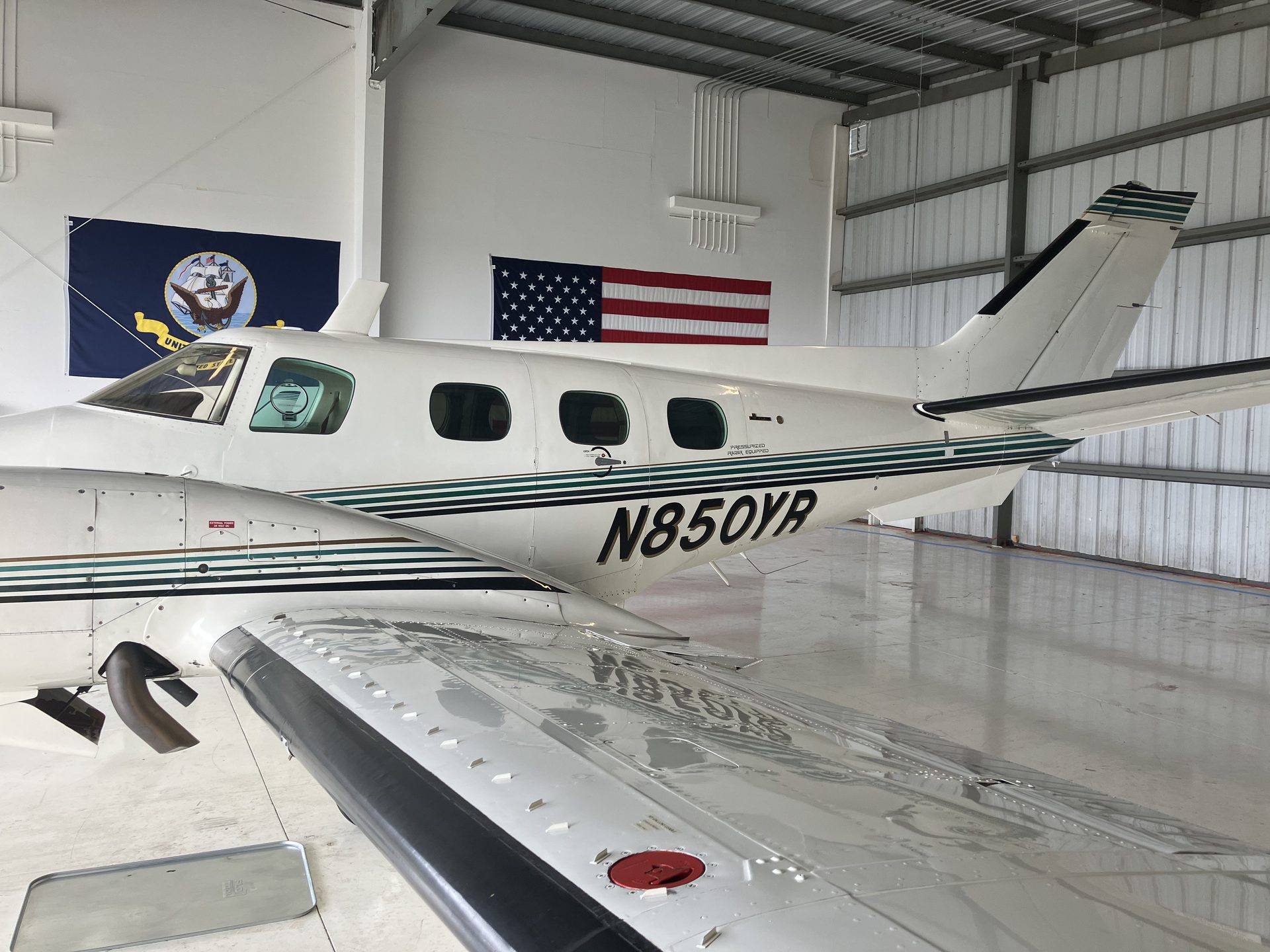
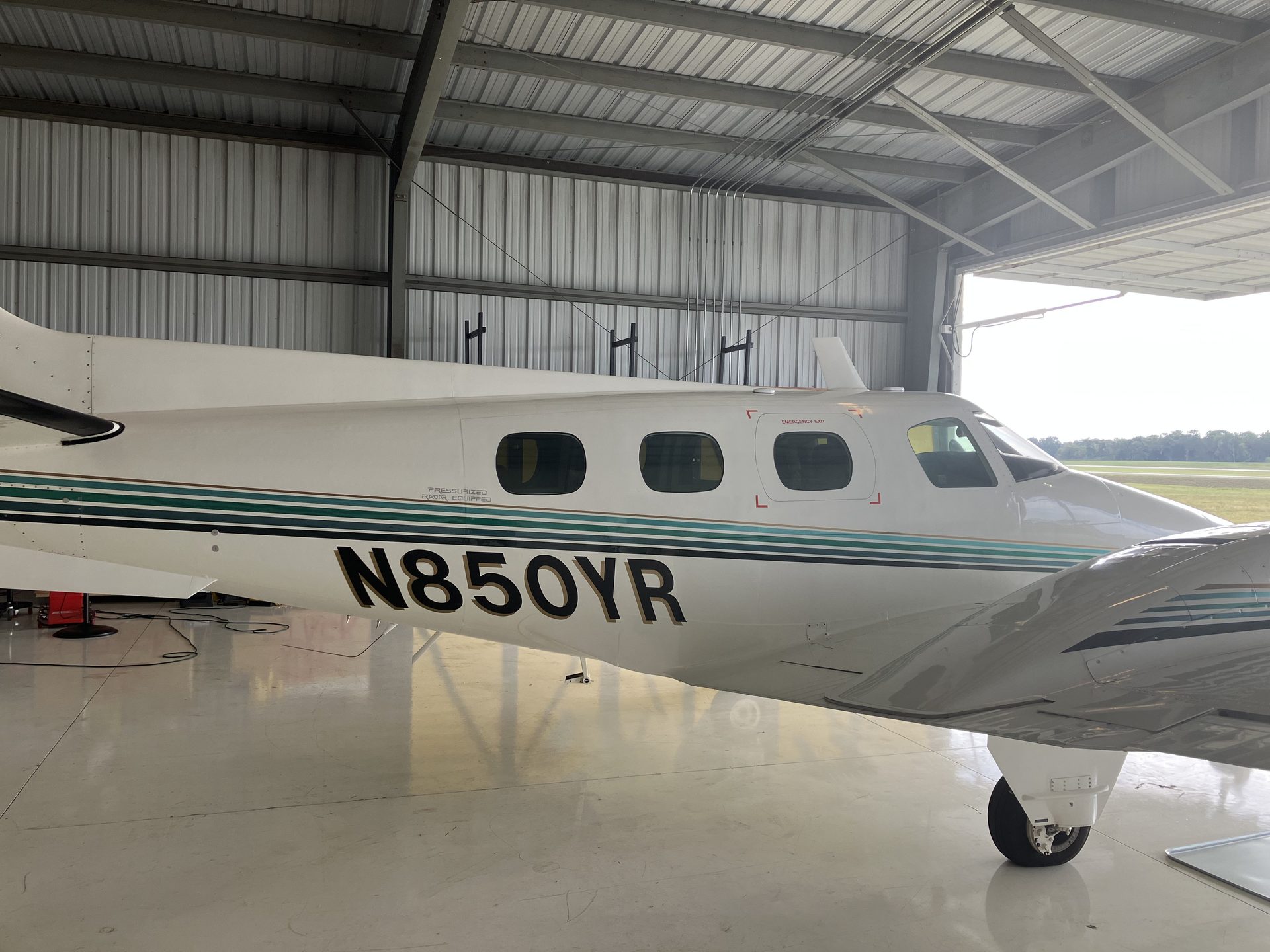
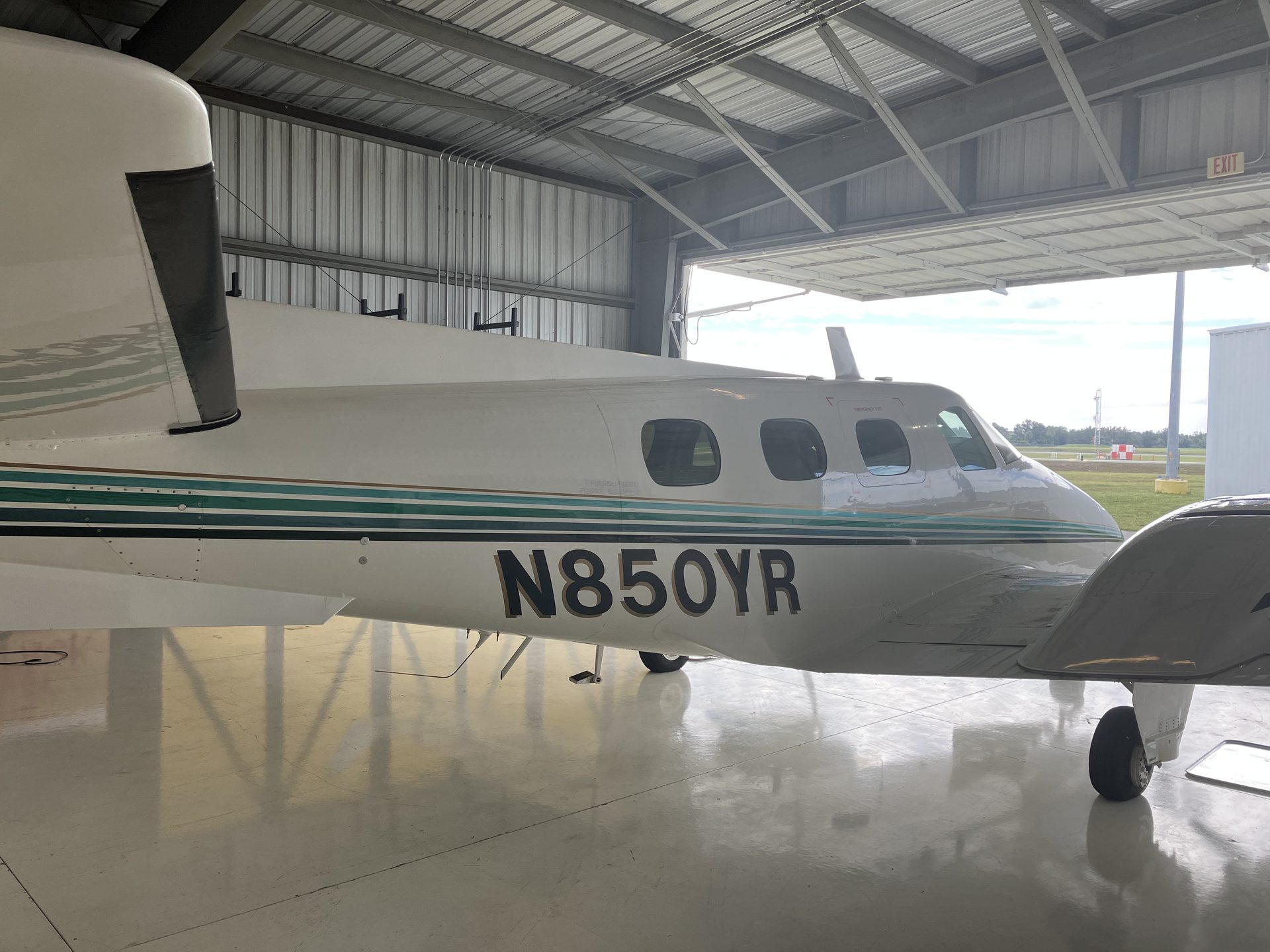
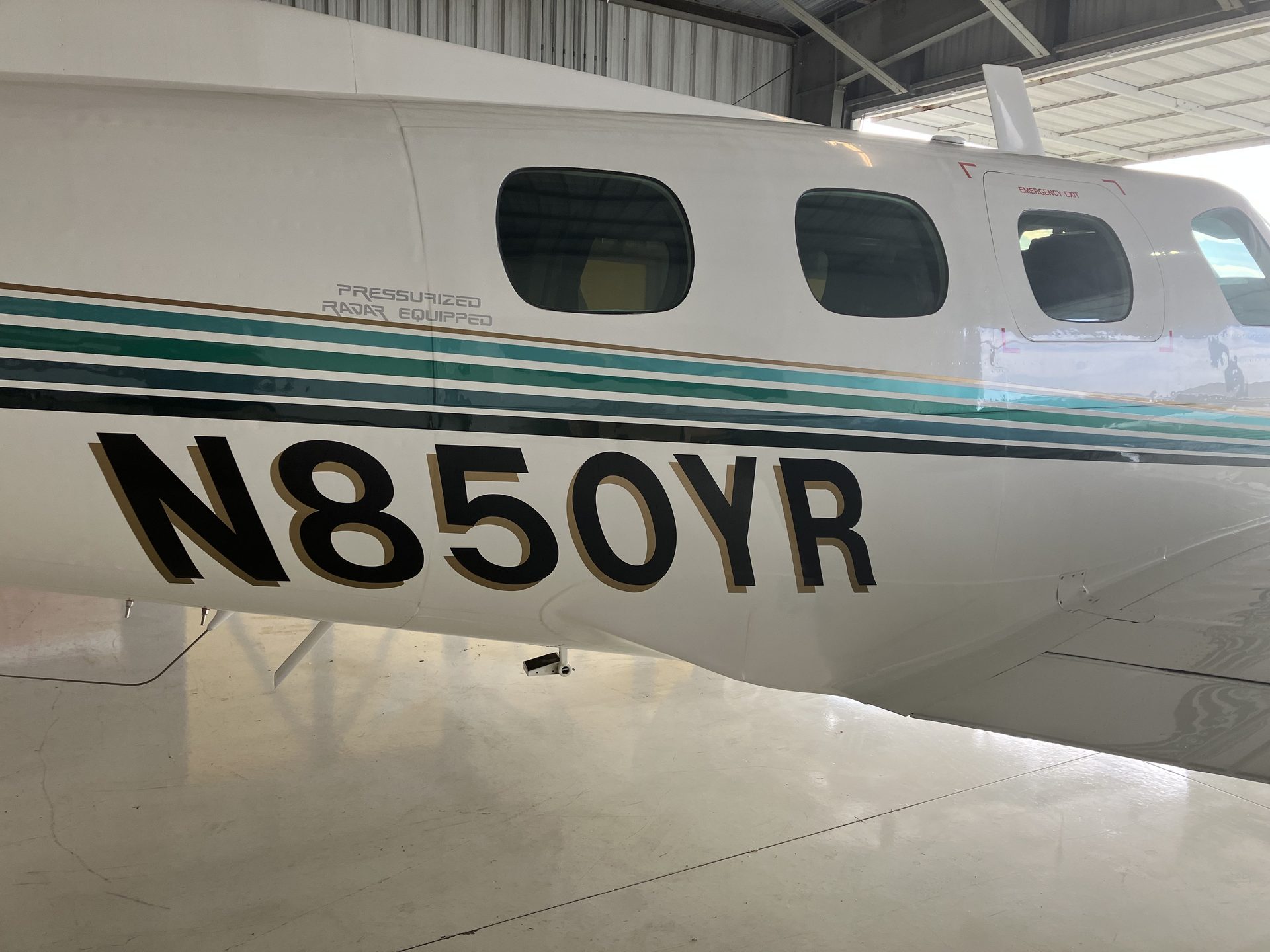
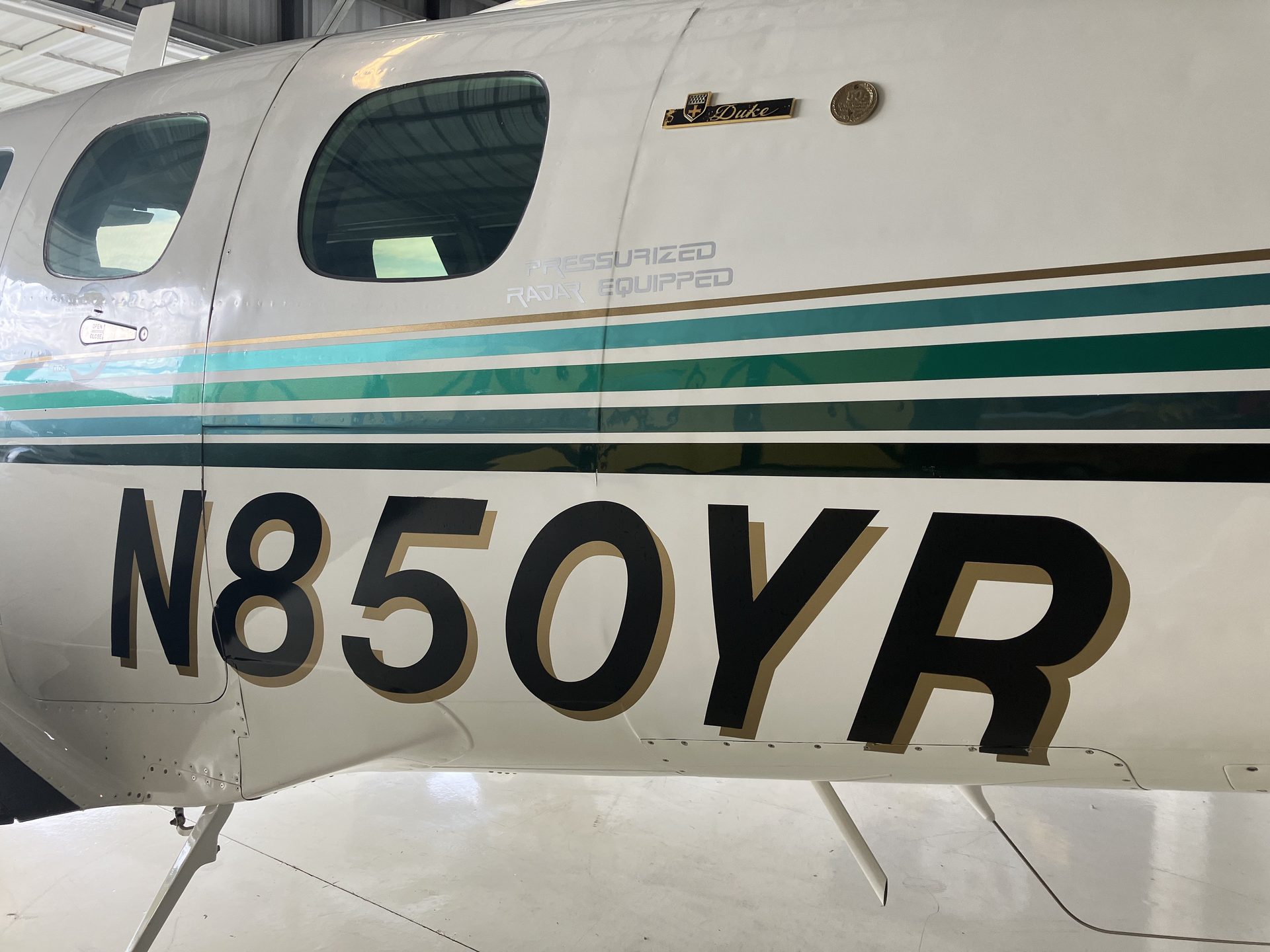
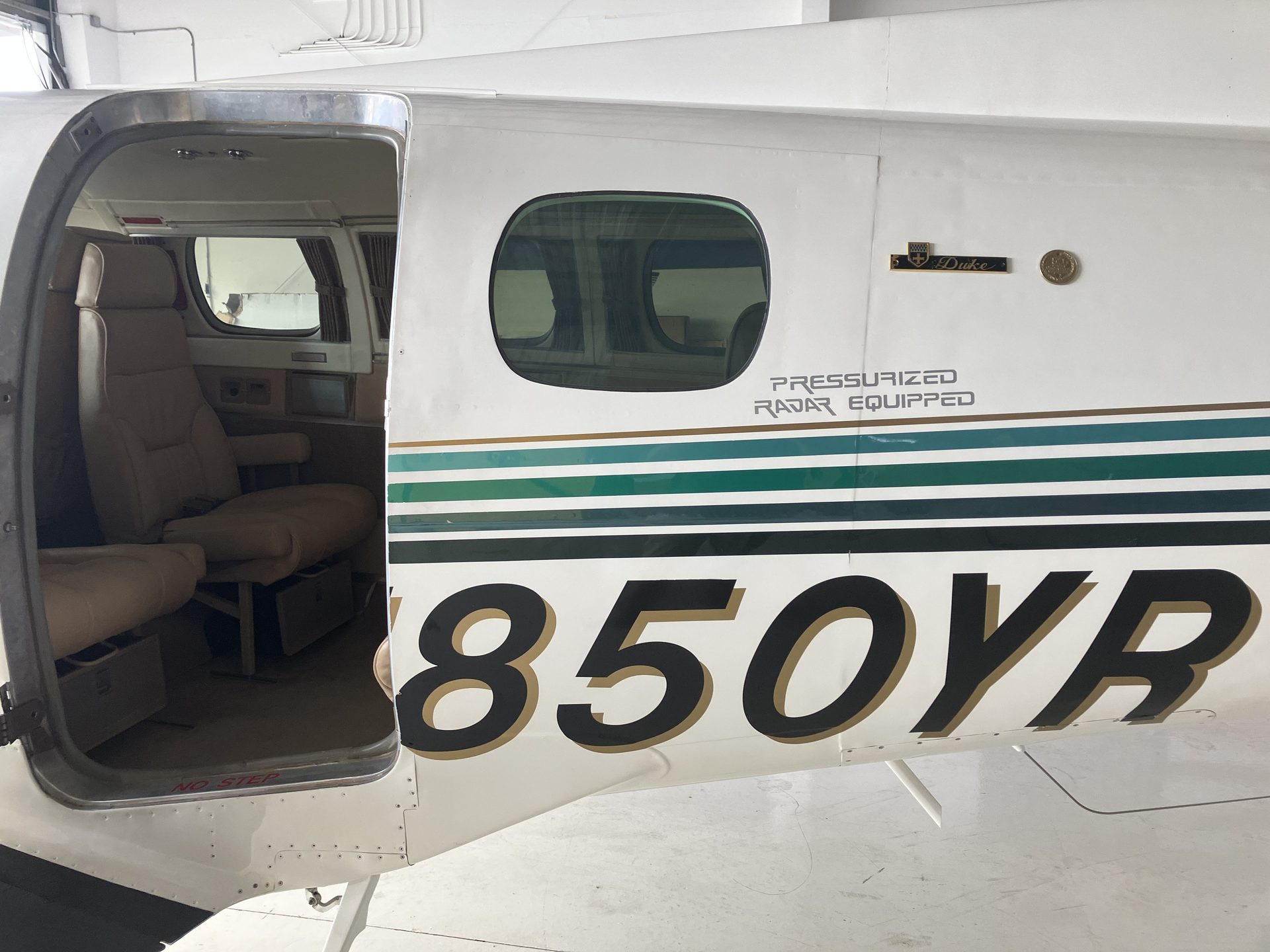
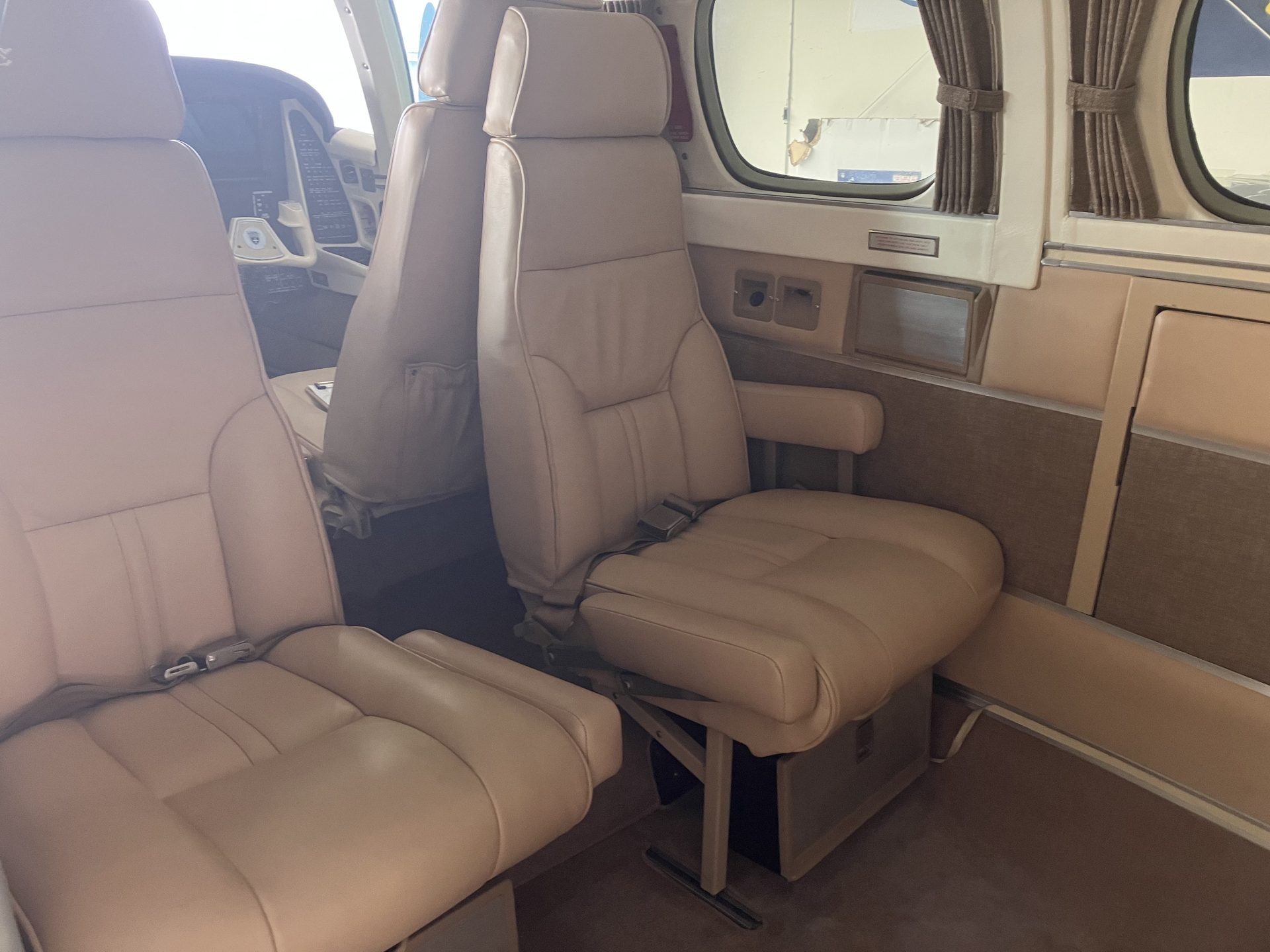


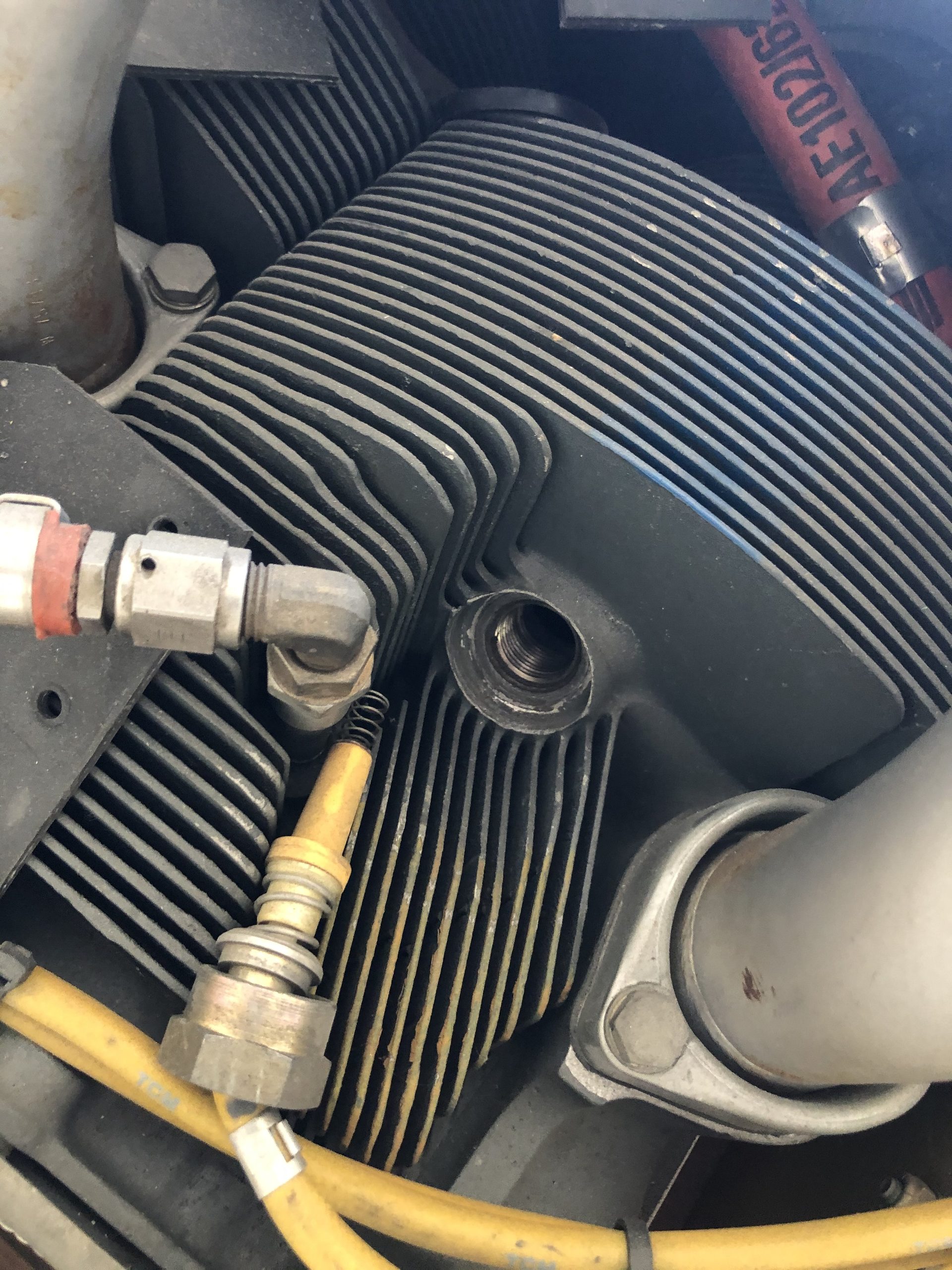
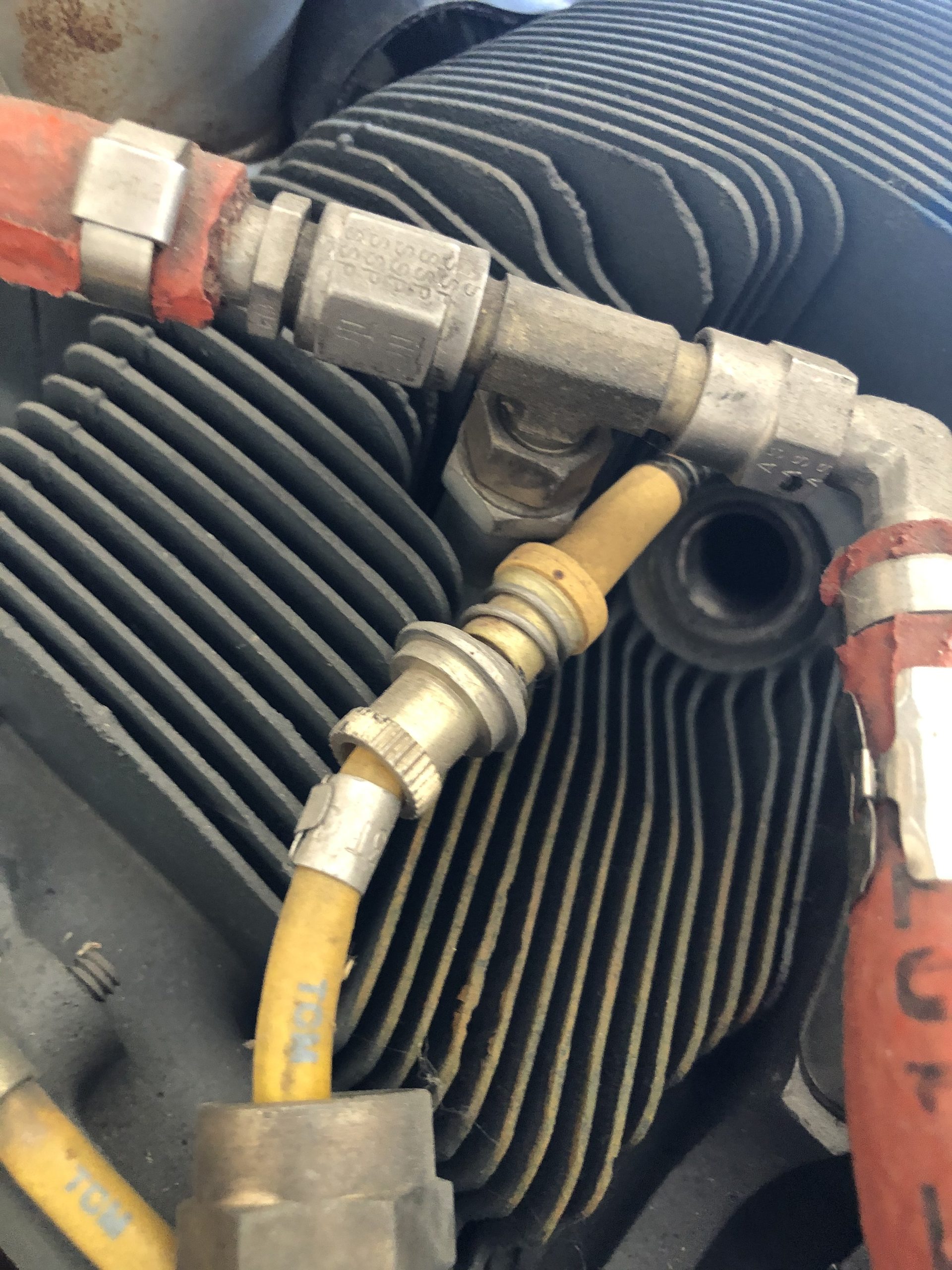
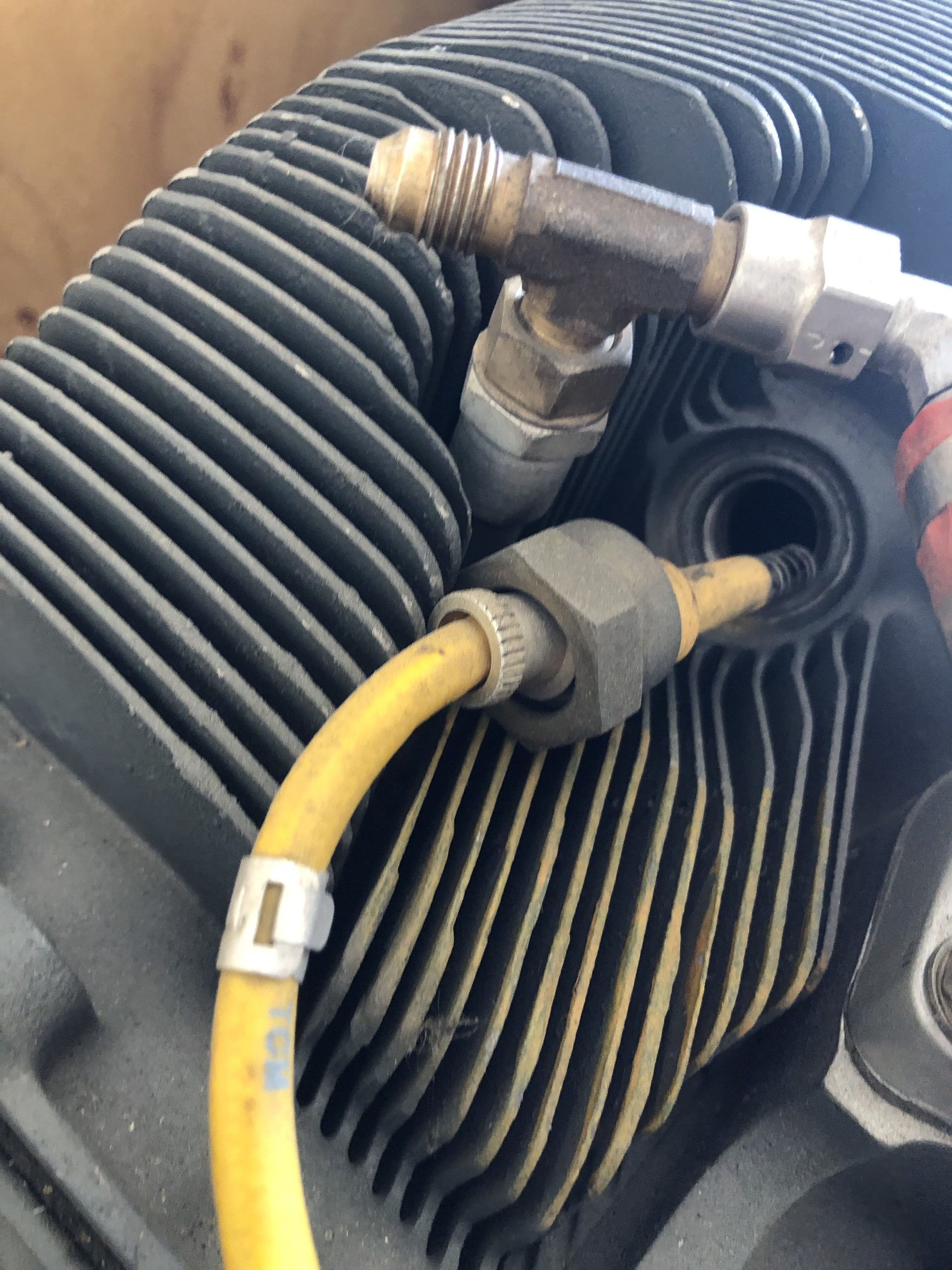
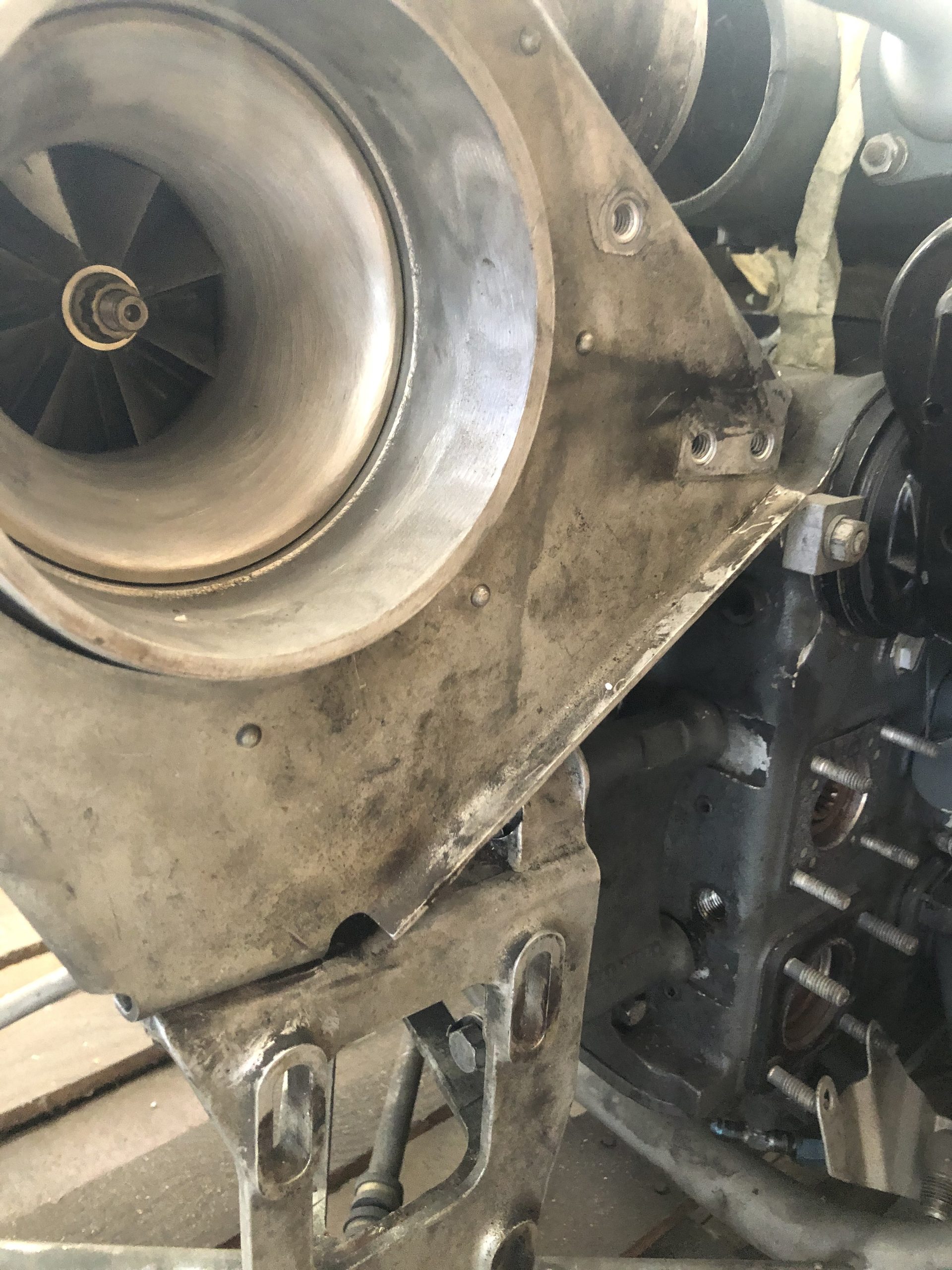
N850YR — As Configured Today
| Type | Beechcraft Duke B60 |
| Year | 1982 |
| Serial | P-581 |
| Registration | N850YR |
| Significance | 50th Anniversary Edition |
| Modifications | BLR Grand Duke Package |
| Max Speed | 248 KTAS |
| Cruise Speed | 215–233 KTAS |
| Service Ceiling | 30,000 ft |
| Rate of Climb | 1,500+ FPM |
| Range | ~1,000 nm |
| Max Gross Weight | 7,039 lbs |
| Engines | 2× Lycoming TIO-541-E1C4 |
| Power | 380 HP each (760 total) |
| Aspiration | Turbocharged |
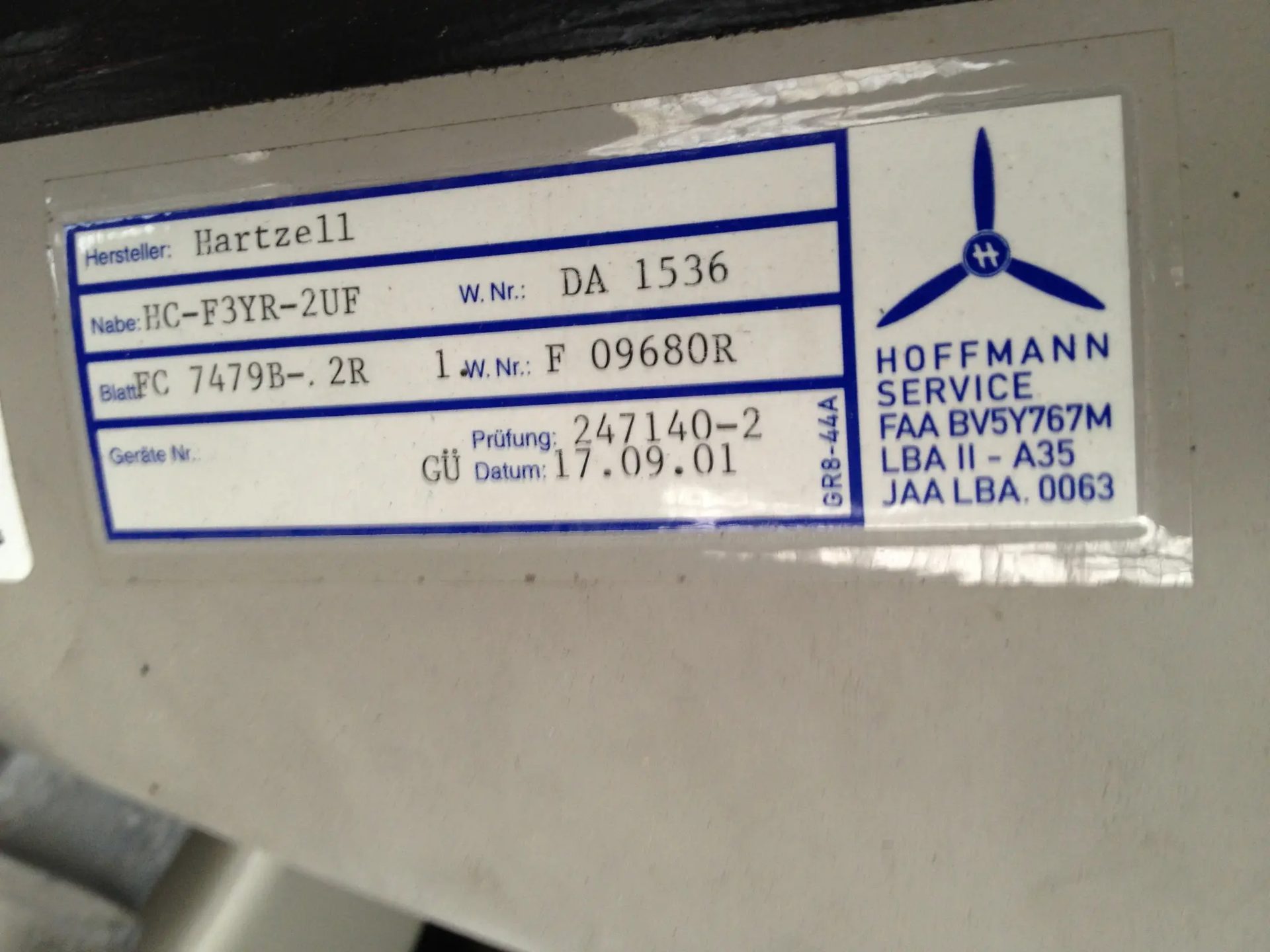
| Propellers | Hartzell 3-blade |
| Starters | SkyTec E-Drive KPS |
| Electrical | Dual Alternators |
| PFD/MFD | Dual Garmin G600 TXi (10.6") |
| Engine Monitor | Garmin TXi EIS |
| GPS/Nav/Comm | Dual Garmin GTN 750Xi |
| Weather Radar | Garmin GWX 75 Doppler |
| Weather Data | XM Weather |
| Standby | L3 Technologies |
| Package | BLR Grand Duke |
| Vortex Generators | BLR Full Set |
| Strakes | Dual Aft Body |
| Winglets | Installed |
| Spoilers | PowerPac (Spoilers Inc.) |
| Added Useful Load | +190 lbs |
| Pressurization | New System (4.7 psi diff) |
| Air Conditioning | New System |
| Interior | Full Leather (New) |
| Cabin Class | 6-seat Pressurized |
| Cabin Altitude | 10,000 ft at FL240 |
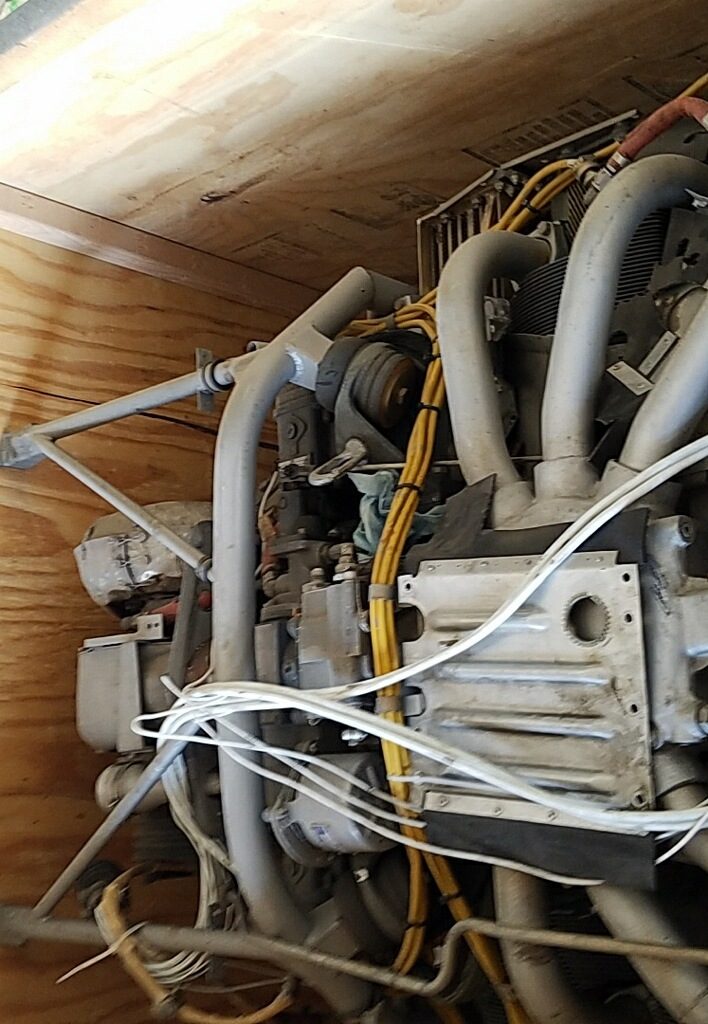
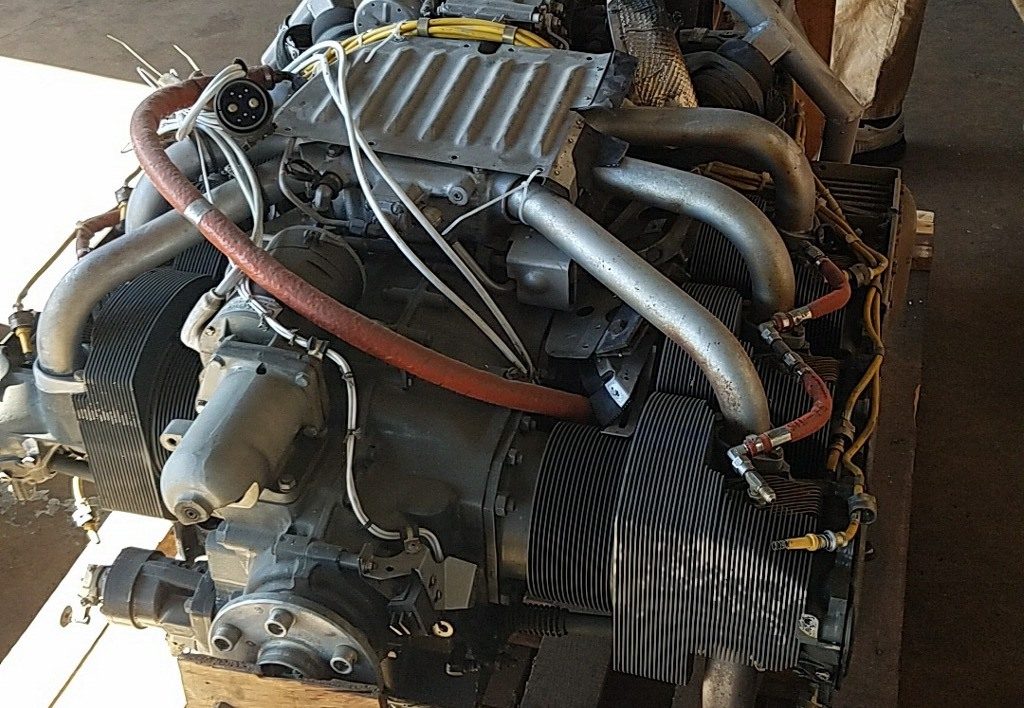
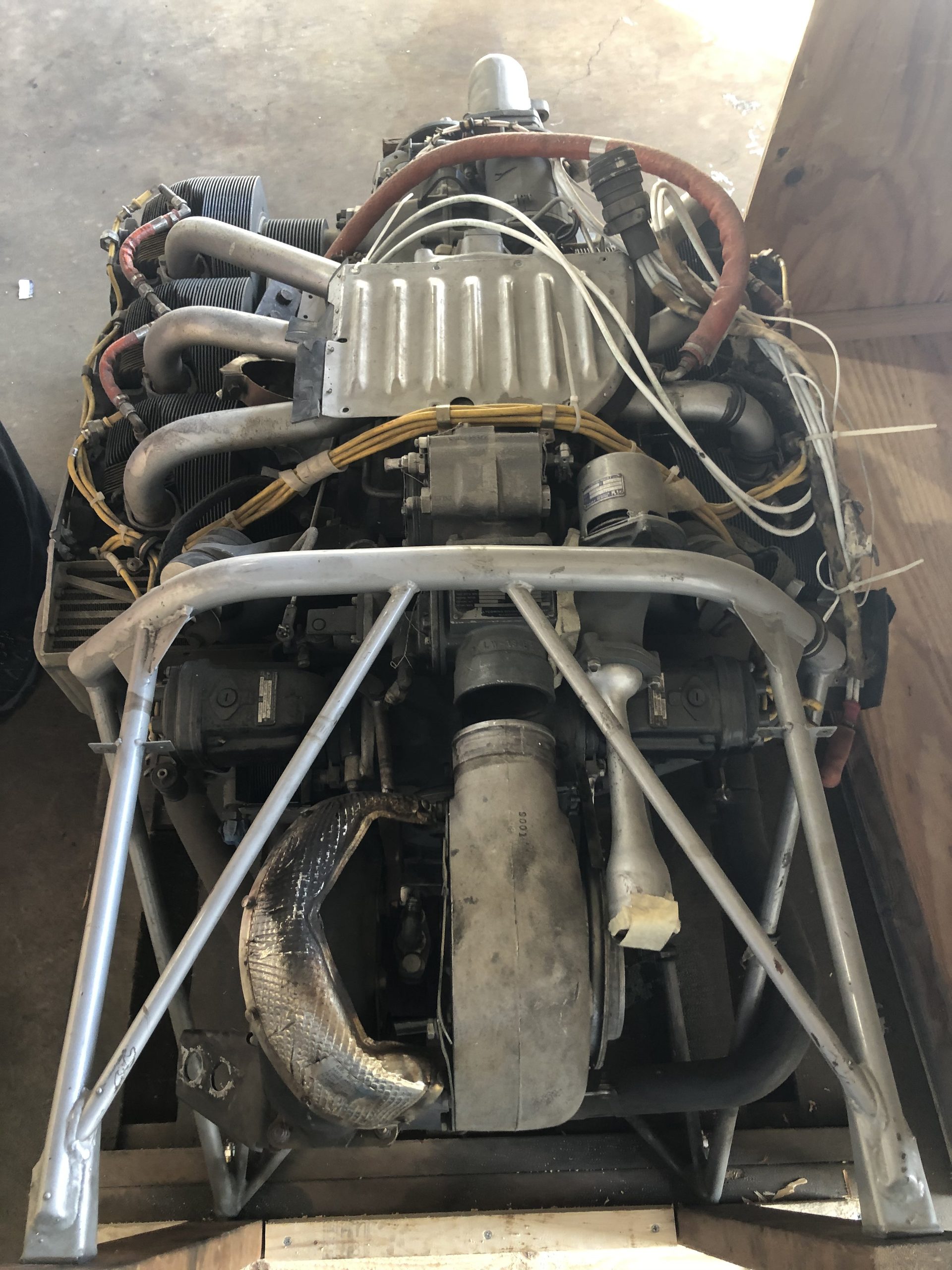
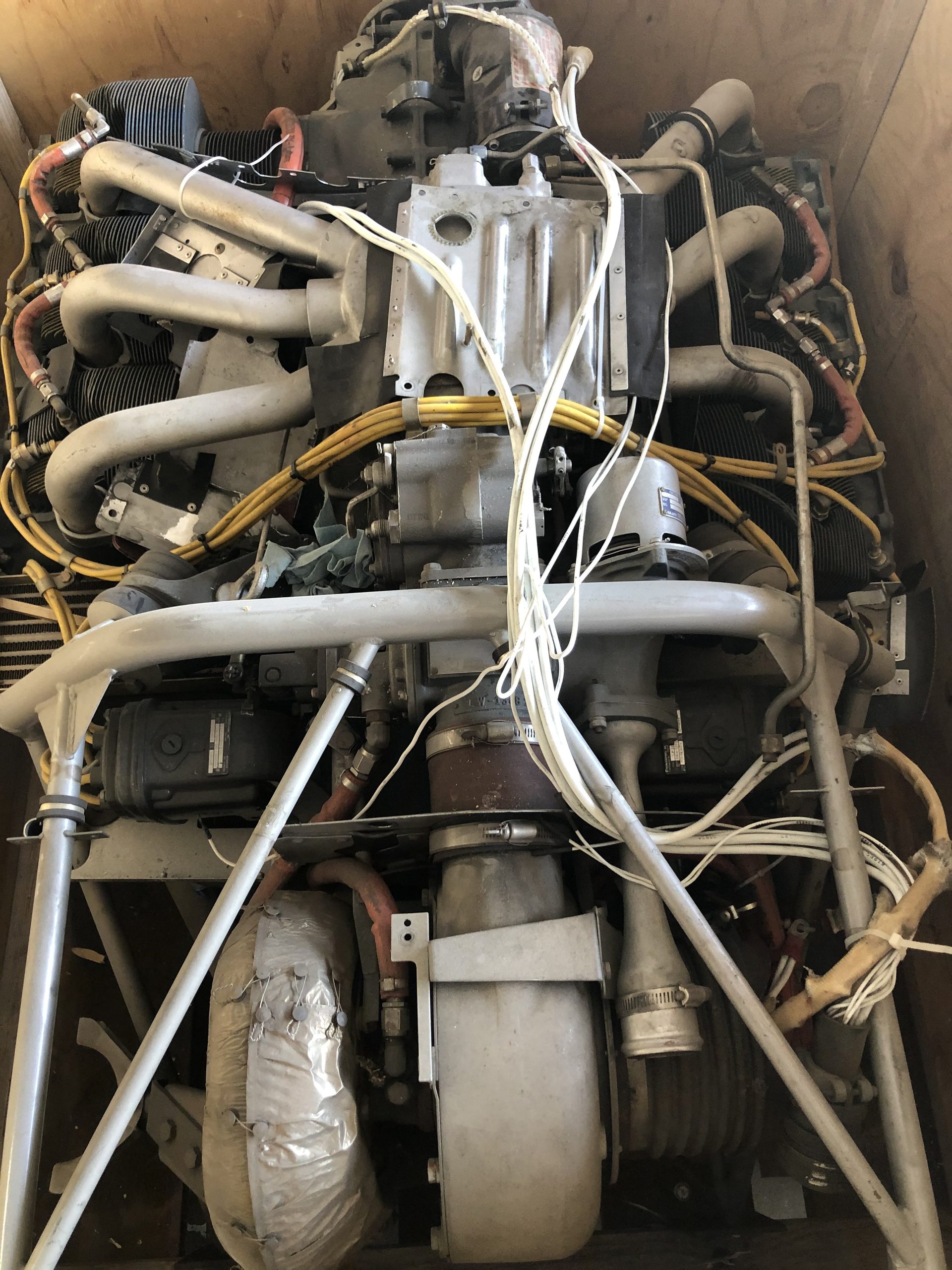
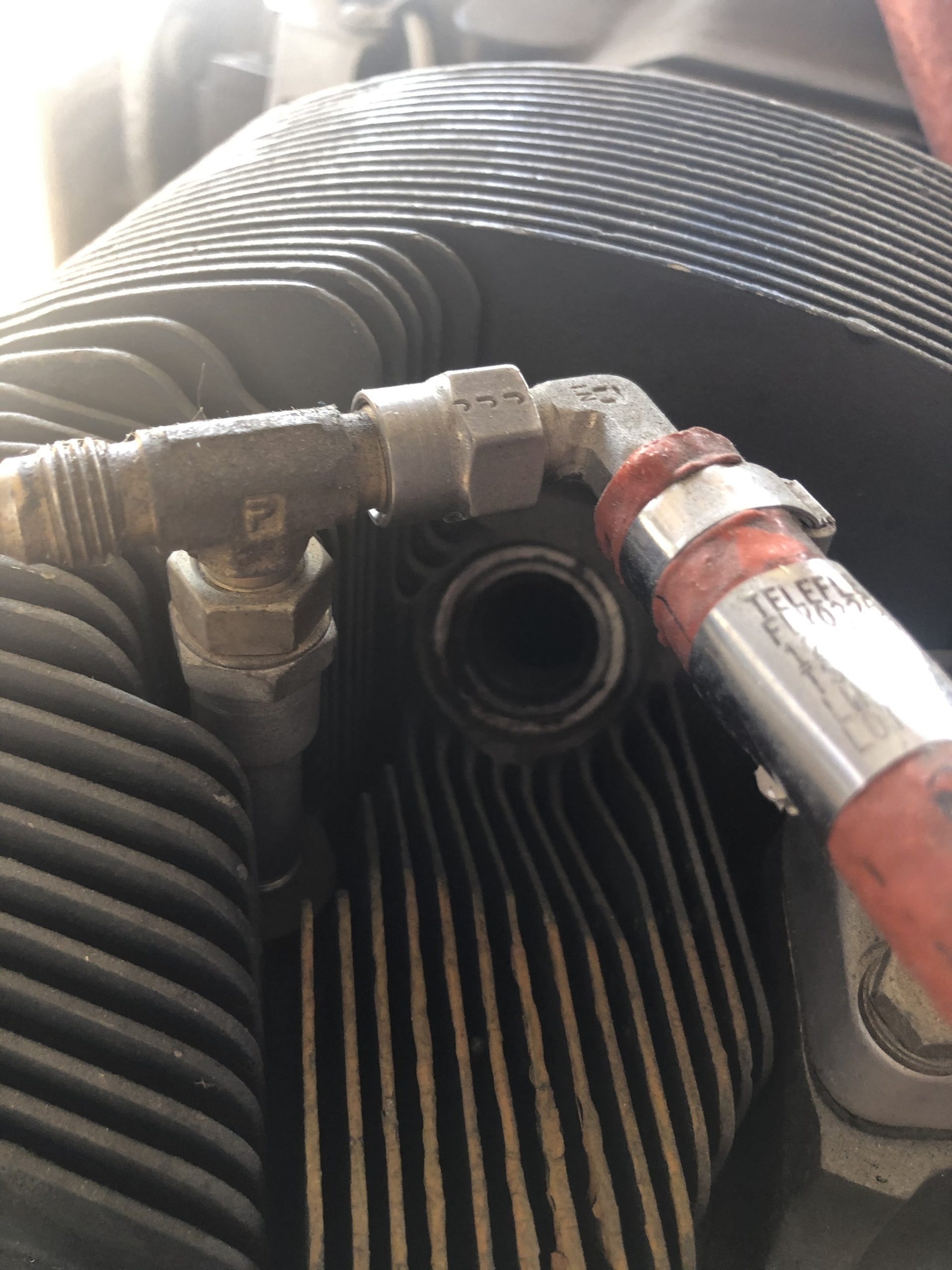
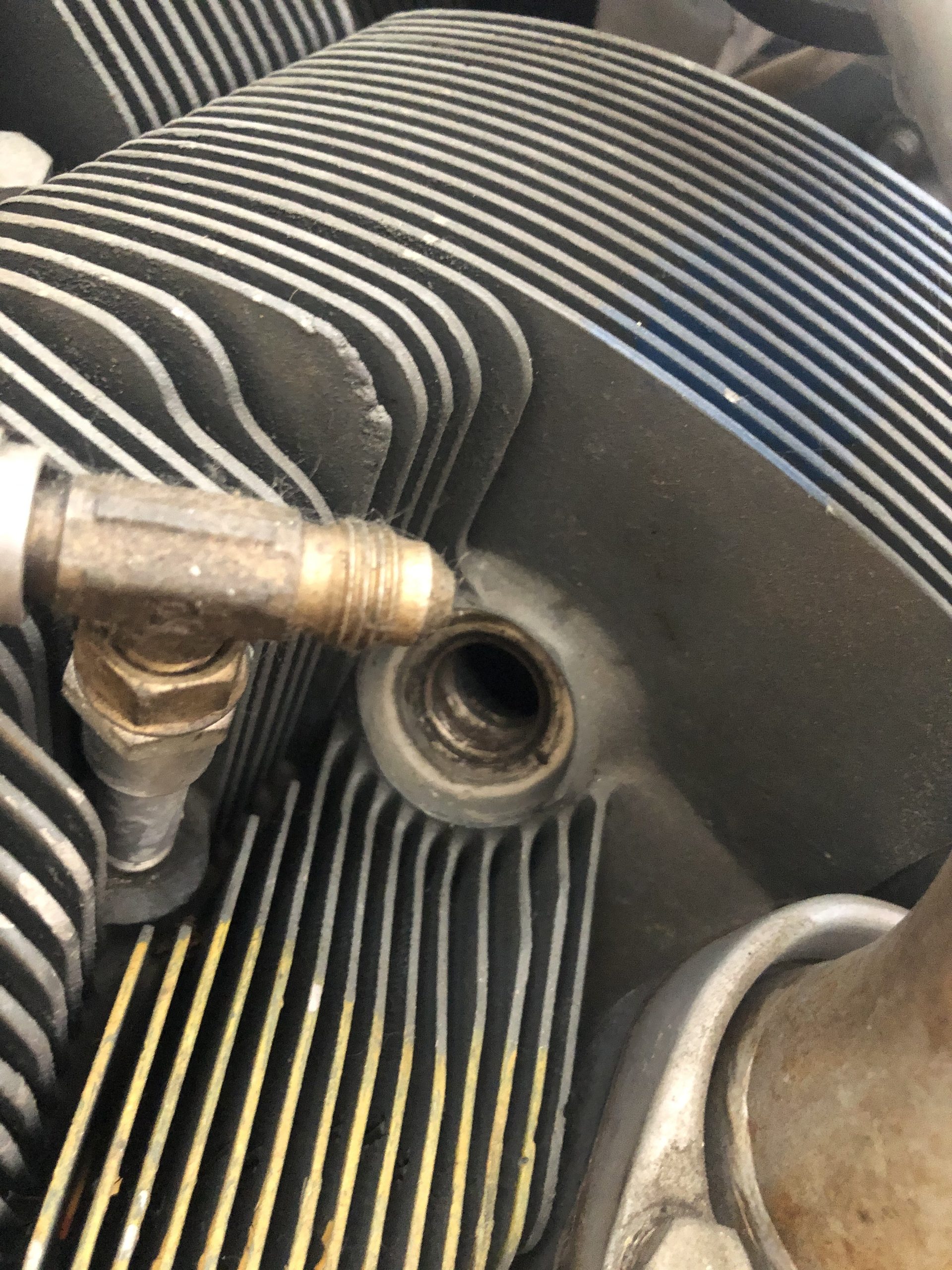
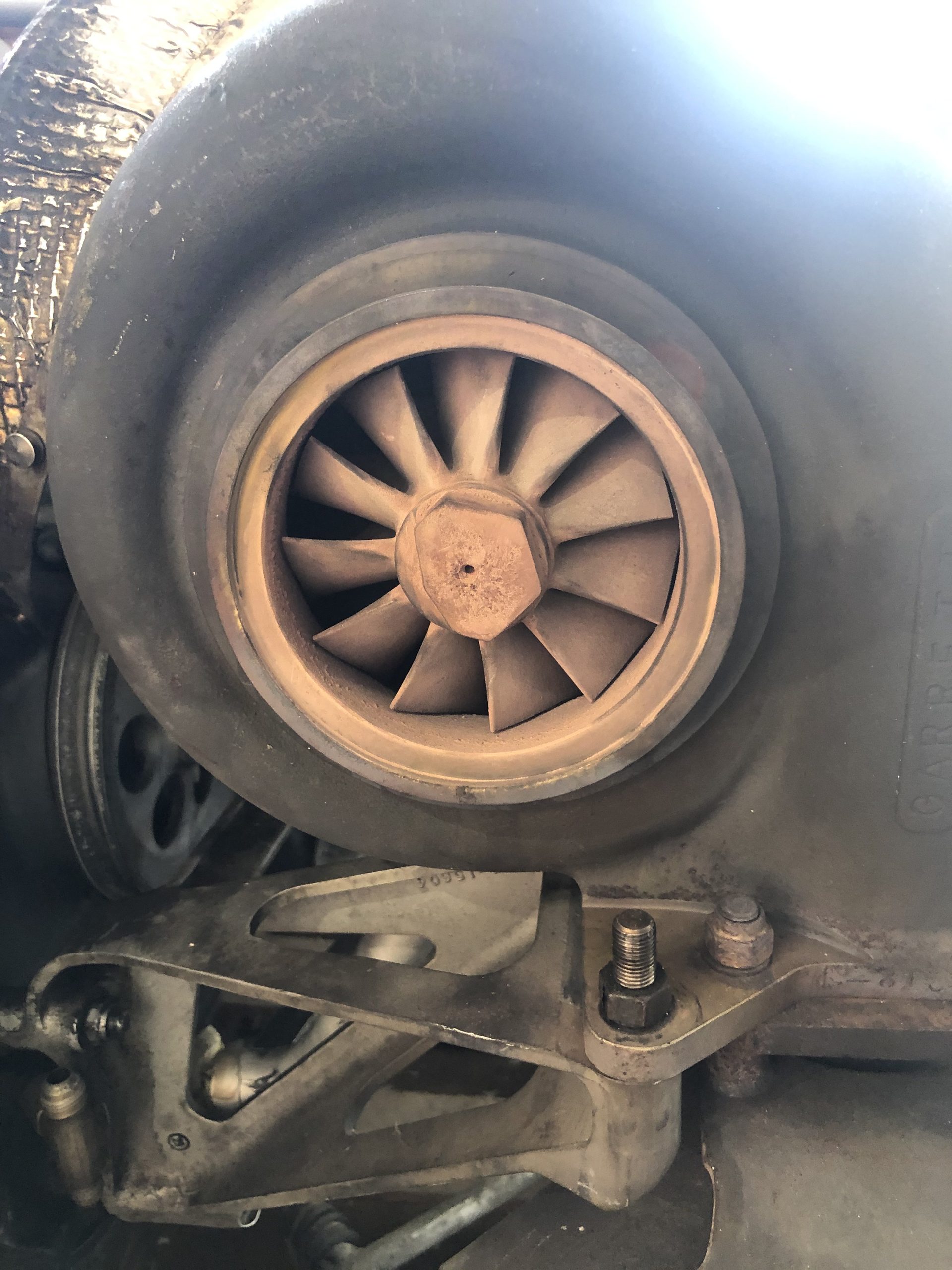
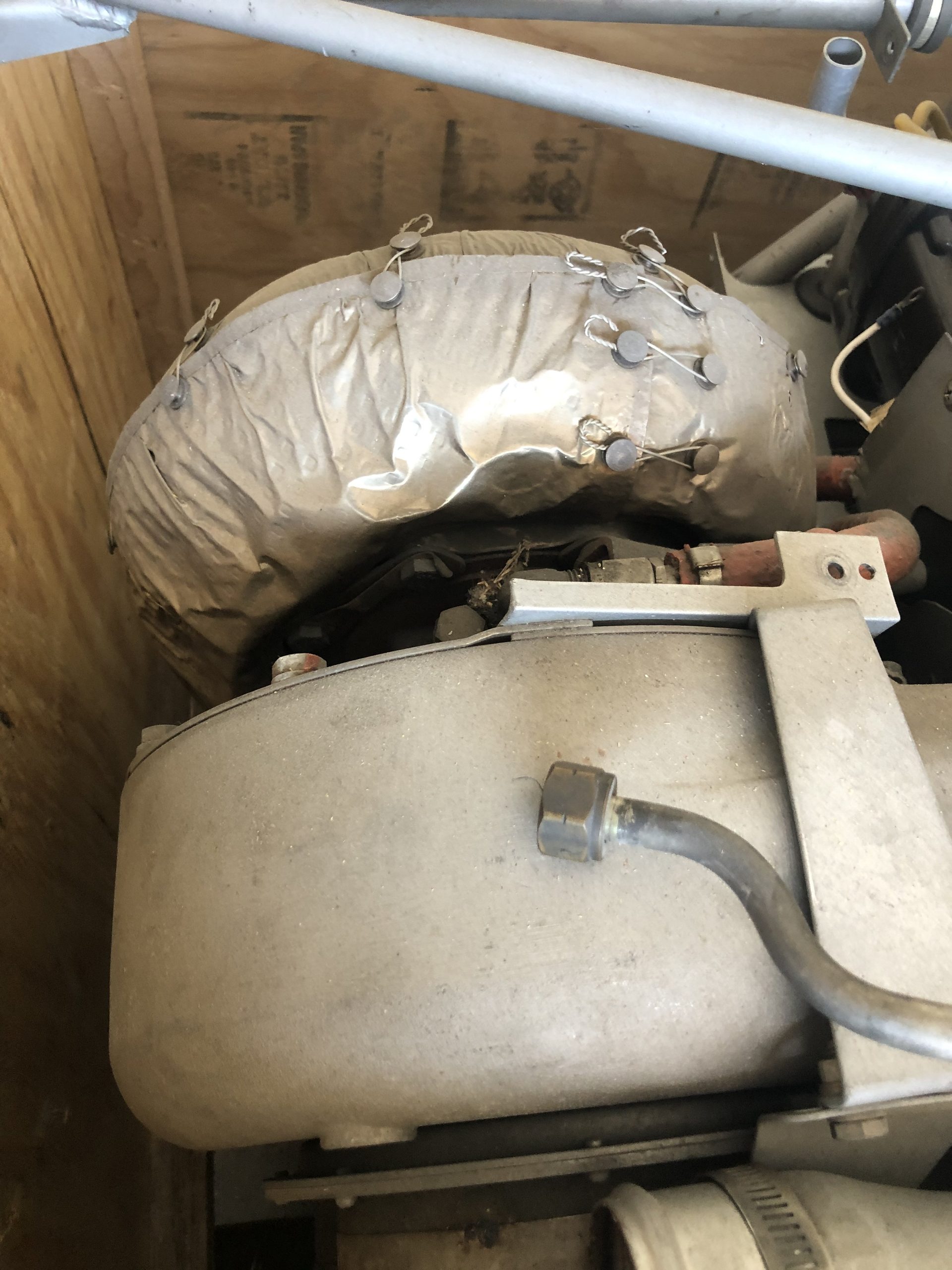
| Backup Engines | Crated & Ready |
N850YR stands as a testament to what happens when legendary engineering meets modern vision. From Wichita to the pages of AOPA, across the Atlantic to Germany, and back home to be reborn — this Duke has lived a life worthy of its name.
Serial P-581 · 50th Anniversary Edition · One of 596 Ever Built